
There’s a game Wuhan people play when outsiders claim to speak Wuhan dialect. The outsider says a sentence they think sounds local. The Wuhan person nods like they understood. They understood nothing. Being told how wrong you were usually takes a few days and some help from their actual Wuhan friends.
Wuhan dialect sits linguistically between Mandarin and Sichuanese: mutually unintelligible to both, perfectly intelligible to locals who’ve never had a reason to be subtle. This article is not a grammar guide. It’s a survival kit for the parts of Wuhan dialect you’ll actually hear on the street.
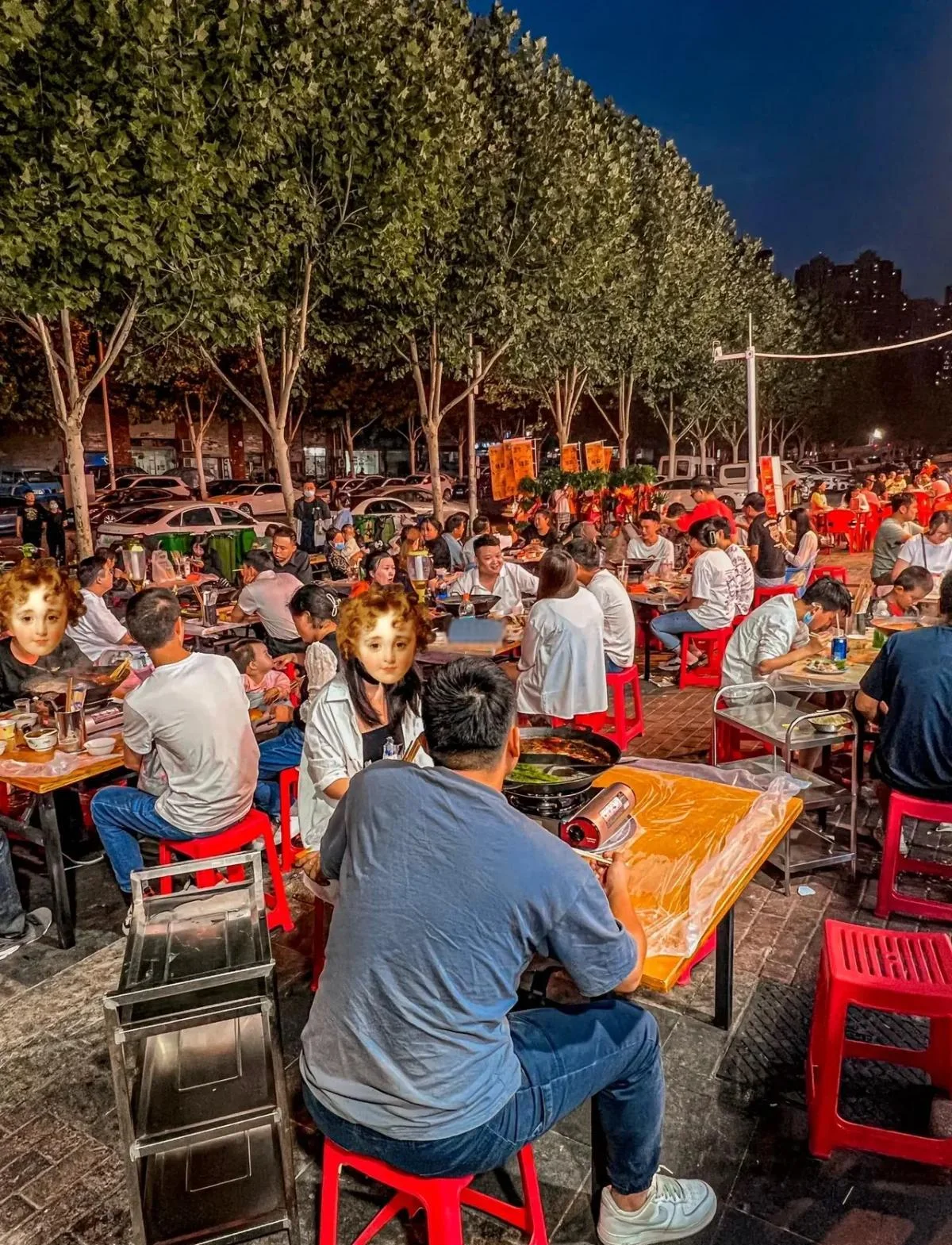
The Useful Curses
Street-level Wuhan dialect uses profanity as conjunction, punctuation, and therapy. These are the words you’ll hear on a daily basis, ranked roughly from most acceptable in mixed company to “wait until your grandmother leaves the room.”
个妈 (ge ma). Literally “a mother,” but used the way a sailor uses… well, you know. A vendor who sold you something at an unreasonable price? “个妈, too expensive.” Two friends arriving late to a hot pot? “个妈, where were you.” It’s the punctuation mark of Wuhan speech: doesn’t need to be directed at anyone specific, and half the time the speaker isn’t even angry, just adding rhythm.
麻了 (ma le). “Numbed out.” Recently graduated from Wuhan dialect into general internet slang. Use it when someone cancels plans for the third time, when the metro is stuck between stations, when your landlord texts “let’s talk.” One word, full emotional range, which is why it spread.
鬼款 (gui kuan). “To talk bullshit.” Your colleague claims they can’t help with the project because they’re busy. You look at their social media, where they’ve posted three hours of mahjong, which is often said behind someone’s back, occasionally to their face. Depends on how well you know them.
鸡嘎嘎 (ji ga ga). Literally “chicken sound,” used to describe someone talking nonsense or complaining endlessly. Your aunt at the family dinner complaining about the fish being otoo loud? Your cousin whispers “鸡嘎嘎” at her, and the whole table goes completely quiet for a moment.
苕 (shao). “Sweet potato,” but calling someone this means they’re acting stupid. Used between friends, sometimes as a tease and sometimes with real bite. “You just paid full price for that? 苕.” It can be genuinely mean. It can also be the most affectionate thing anyone has ever said to you. The survival guide version of the same dialect is How Wuhan Talks: Its Impossible Dialect.
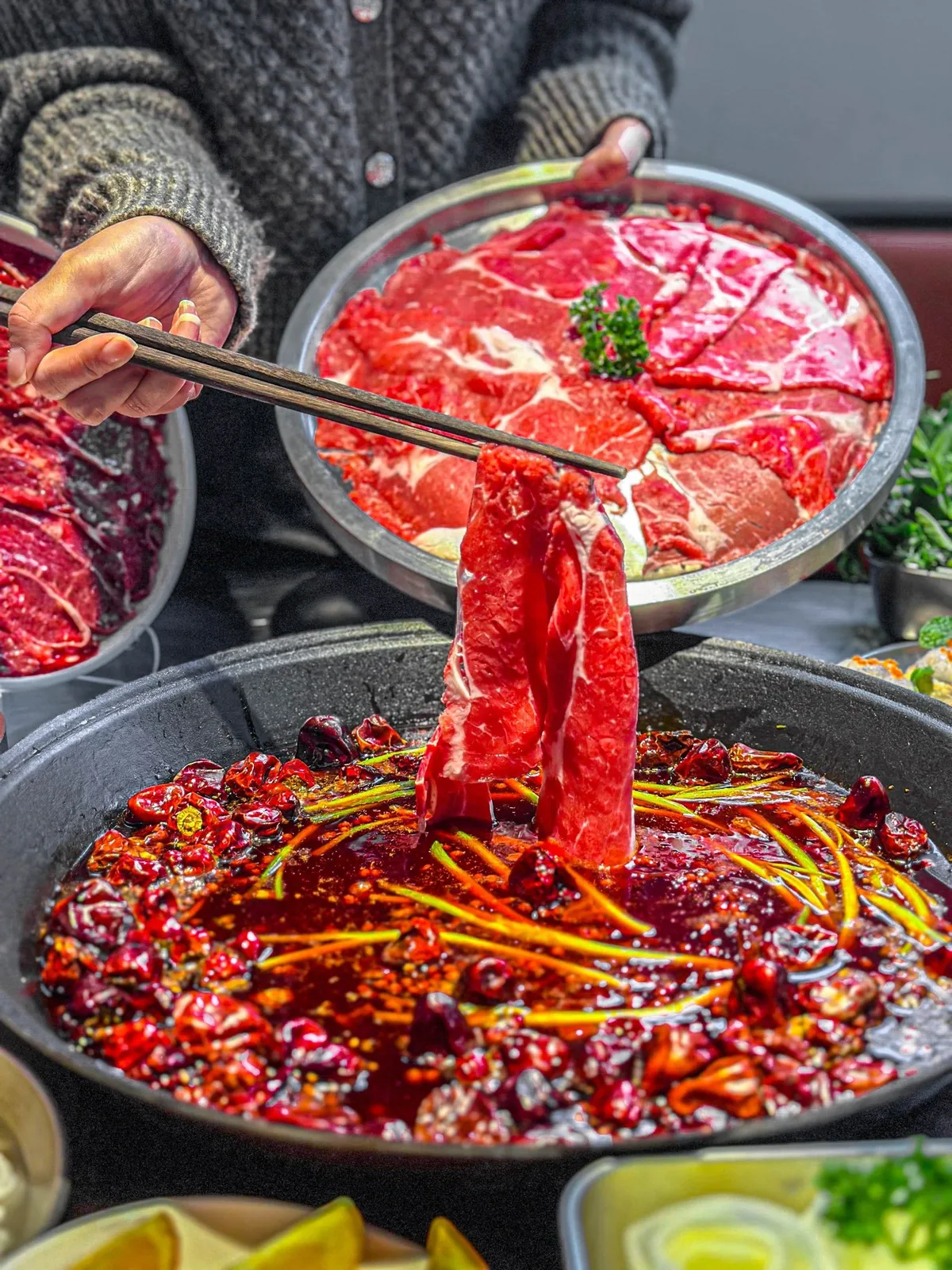
The dirty talk that means you’re friends
Once you’ve been in Wuhan long enough, someone will say something unprintable that is also, bizarrely, a term of endearment. This is more culturally specific than it sounds.
Wuhan dialect takes standard Mandarin profanity and repurposes it. “Your mother” becomes casual punctuation. “Go die” said to a friend means “catch you later.” The more violent the language, the closer the relationship. Someone who calls you “grandson” in Wuhan dialect has essentially adopted you into their extended family.
The line between genuinely angry and playing around is tone, not vocabulary. Two people mid-argument using what sounds like career-ending insults are probably just debating whose turn it is to pay for watermelon. Two people using mild language in flat tones are probably done with each other for good.
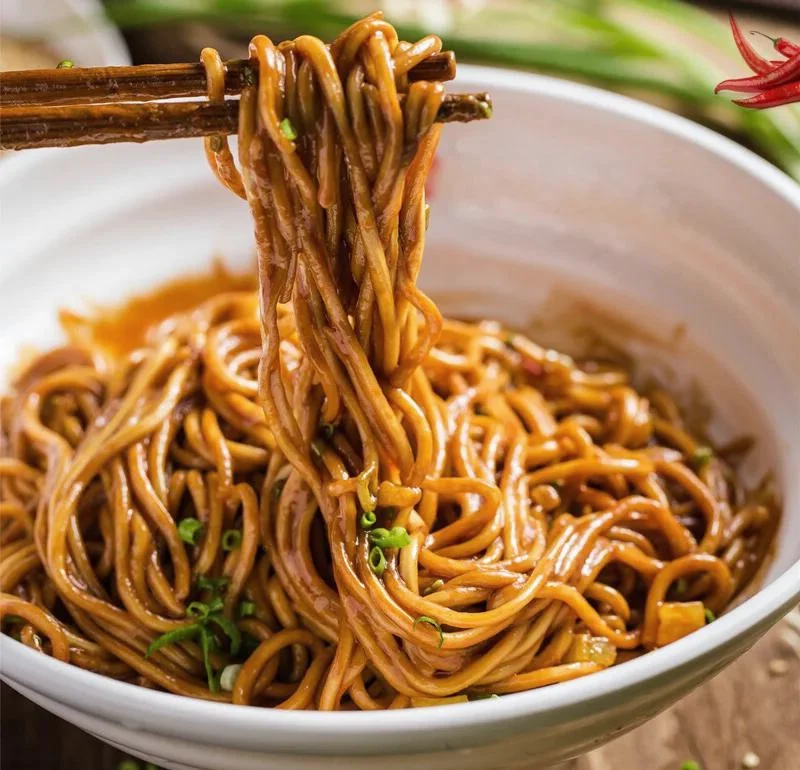
Calling someone cute without meaning it
Pet names in Wuhan dialect operate on a principle of layered irony. You don’t call someone cute. You call them something that sounds mean and mean it sweetly.
拐子 (guai zi). Traditionally means “boss” or “big brother,” with a slightly shady street connotation. A wife might call her husband “拐子” in public while praising him to her friends. It’s not dad-like, it’s not romantic: it’s pride with a hat on it.
媳妇. Same word Mandarin uses for “wife,” but Wuhan dialect softens it when used by elders about a younger woman. An old woman at the market eyeing the new foreigner wife in the neighborhood: “Her? She’s a good one. Bit shy.” She said this using the same tone she’d use for produce she found acceptable.
胖克. A “fatty” term that in Wuhan might occasionally refer to someone lovable rather than large. The term itself doesn’t exist: it’s a play on how Wuhan people affectionately describe food and people in similar terms. A dish that’s “fatty” in the rich sense is a compliment. A person described the same way depends on who’s saying it and whether they’re currently eating.

What foreigners should actually know
First: don’t try to curse in Wuhan dialect for the first six months. Your tones will be wrong, your timing worse, and Wuhan people will either laugh at you or misunderstand you entirely. Neither outcome is what you want.
Second: understand that this directness is not meanness. Communication in Wuhan runs high-context but also high-volume and high-indignation-performance for everyday problems. Someone screaming about the bus being late isn’t angry at the bus. They’re angry that the day is hard and the bus is late and they can scream about the bus even if they can’t scream about the day.
Third: when a Wuhan person roasts you using vocabulary that in your hometown would start a bar fight, they are probably testing your friendship, not ending it. Respond in kind when you’re ready. A foreigner who learns to “个妈” back at the right moment becomes, in Wuhan terms, a person worth keeping around.
Now go practice: start with “麻了” and it works everywhere.