
Almost every museum in this city is free, so the entry fee is not where your planning goes wrong. The problem is that nobody tells you which ones are open.
Wuhan’s most photographed museum building, a steel structure by an architect whose name sells tickets in other cities, has been closed for renovation since 2022. A tendering notice for the repair work went out in September 2026. Search for it in English and you will find glowing write-ups with no warning, because the coverage stopped before the closure did.
This is a guide to what you can walk into, organised by building rather than by dynasty, because in Wuhan the building is usually the reason to go.
合美术馆, the one funded by a tech park
Start here if you have one afternoon and no patience for bronze vessels.
合美术馆 is a private contemporary art museum in Hongshan, founded in 2014 by 黄立平, who runs 中电光谷, a company that develops technology parks. It has about 10,000 square metres over four floors and has mounted more than fifty exhibitions in a decade. Its defining programme is unusual: it collects artists’ manuscripts and working drafts, the sketches and notes behind finished works, which is a scholarly thing for a private museum to care about.
The reason I send people here first is the model rather than the art. A property developer founded an institution devoted to contemporary Chinese art, then kept it running for a decade, free, with a research programme. That is not how corporate art patronage usually works, and it is worth seeing what it produces.
It is at 野芷湖西路16号, and the metro gets you close: line 8 to 马湖, then straight on foot from exit B. If you are still working out the system, my metro guide covers how the lines fit together. Entry is free, but you have to book, through the museum’s own WeChat account, though you can usually scan a code at the door on a quiet day. It closes on Mondays, and so does almost everything else here.
湖北美术馆, the provincial one next to the famous one
Most visitors go to the provincial museum, look at the bells, and leave without noticing that the provincial art museum is a short walk away on the same stretch of East Lake.
湖北美术馆 sits at 东湖路三官殿1号, next to the Hubei Provincial Museum. It has been free to enter since 30 October 2008, which makes it one of the earlier provincial galleries in China to drop admission. The name changed in July 2010 from 湖北省艺术馆, and in 2011 the Ministry of Culture designated it a national key art museum.
Hours follow the provincial pattern: 9:00 to 17:00, Tuesday to Sunday and closed Mondays, with entry stopping at 16:30. Booking runs through the gallery’s WeChat account, through the province’s 游湖北 or 武汉文旅码 mini-programs, or through Meituan.
The building is a 2007 structure rather than a historic one, and the collection leans toward Hubei artists and twentieth-century Chinese painting. Go for the temporary shows, and for the quiet.
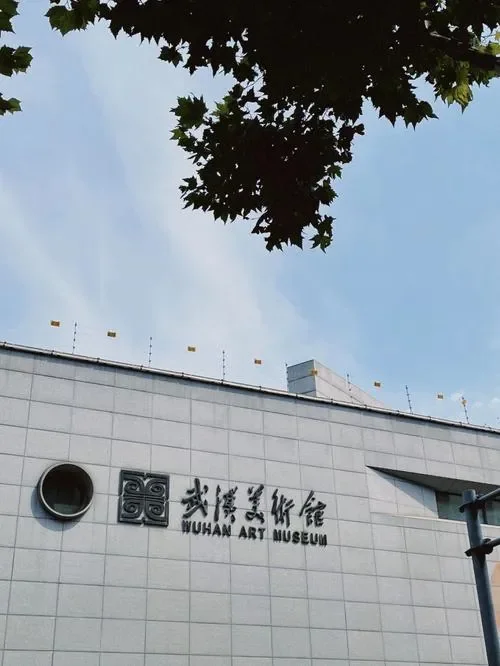
武汉美术馆, which is two museums
This catches people out, including me the first time. 武汉美术馆 is two venues on opposite sides of the river, and the two of them have little to do with each other.
The 汉口馆 is inside a 1930 bank. Its address is 中山大道 保华街2号, and the building is the former 金城银行 headquarters: four floors of reinforced concrete designed by 庄俊, one of the first generation of Chinese architects trained abroad. It is a protected historic building, and the building is the reason to go more than any single exhibition is. You are standing in a working bank interior from the Republican era, looking at contemporary art.
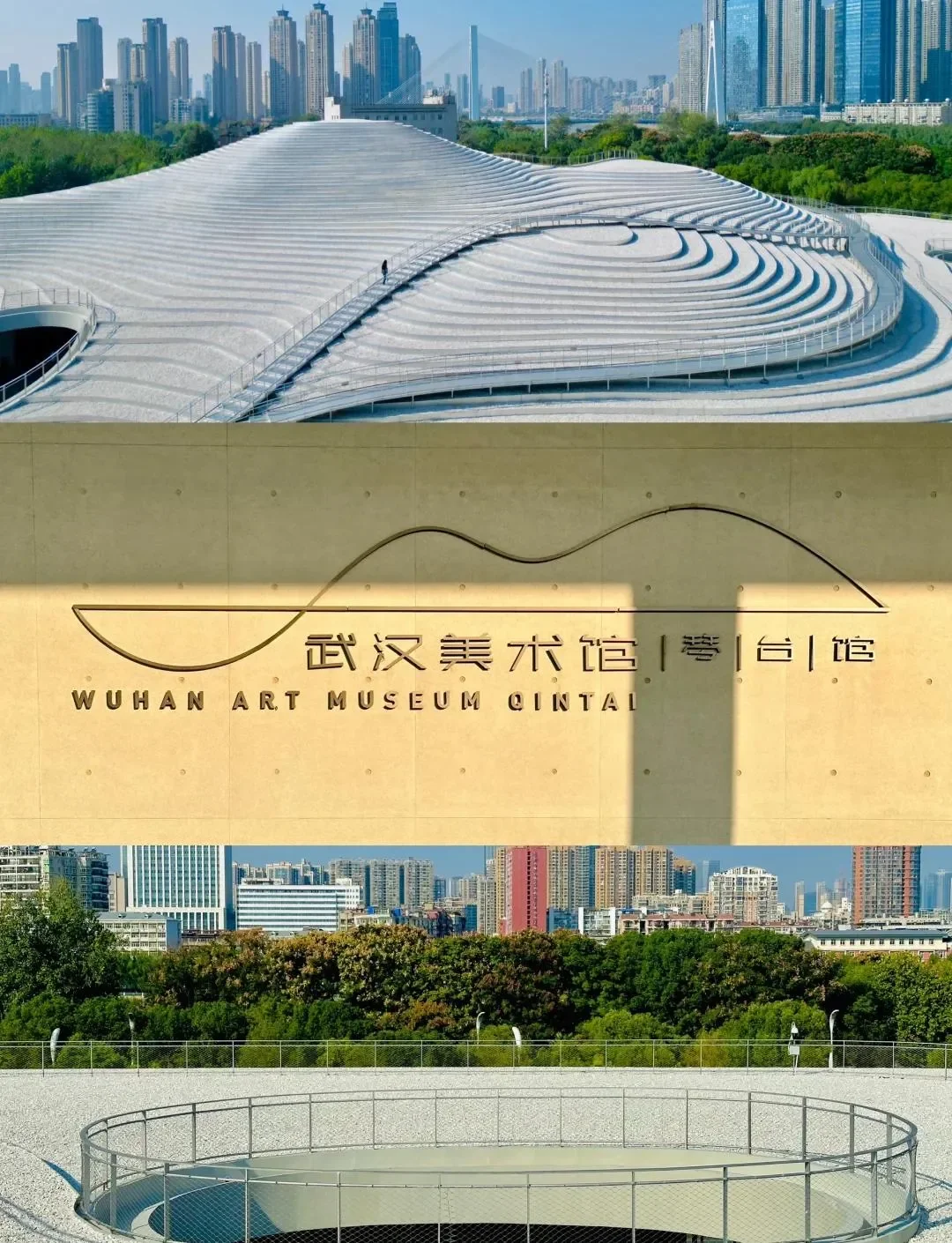
The 琴台馆 is the opposite experience. It sits at 汉阳区知音大道77号, on the north shore of Moon Lake, next to the Qintai Grand Theatre and Concert Hall. The shape gets described locally as a silver terraced field, a set of pale ribbons laid along the water. It is a purpose-built contemporary space, and it is where the large touring exhibitions go.
Both are free. Check which one has the show you want before you cross the river, because the two venues are about forty minutes apart.
张之洞与武汉博物馆, the one that is closed
This is the single most common wasted trip in the city.
The museum is in Hanyang, at 琴台大道169号 by the Moon Lake embankment. It opened on 27 March 2018, free to the public, built on the site of an earlier museum about Zhang Zhidong and the Hanyang ironworks. The main building was designed by Daniel Libeskind, the architect behind the Jewish Museum in Berlin, working in weathered steel in a way that reads as industrial rather than monumental.
It closed for a closed-door upgrade in 2022 and has not reopened. In September 2026 the district government published a public tender for project management services for the renovation, which tells you where the work stands: not finished, still being procured.
The exterior is visible from the street and people photograph it. Nobody has announced when it reopens, so go for the outside and do not plan your day around getting in.
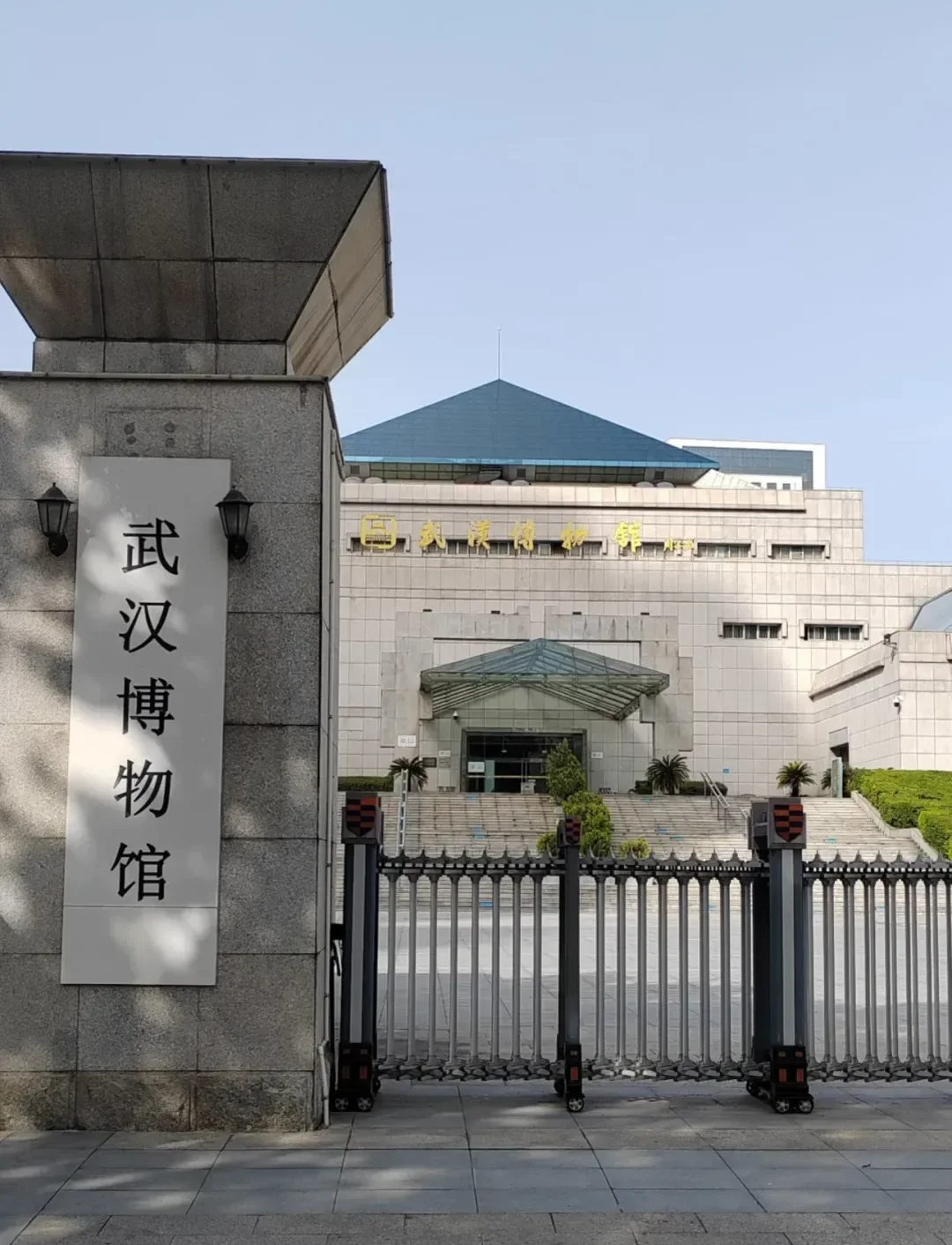
武汉博物馆, and the twin vase
武汉博物馆 holds a 元青花四爱图梅瓶, a Yuan blue-and-white vase painted with four scholars and the things each of them loved, and only two are known to survive. The other one sits across the river in the provincial museum.
The two stories are completely different. The provincial museum’s vase came out of a tomb in 钟祥 in 2006, from the grave of 朱栋, a son of the Ming founder. This one walked in off the street. In October 1987 a couple carried it into a relic shop on 武胜路, and the man who appraised it, 王瑞华, later became the director of this museum. The two vases were shown side by side for the first time in 2022.
The building is at 青年路373号 in Hankou. It opened in 2001 and entry is free. The most recent notices say individual visitors do not need to book, which makes it the easiest museum on this list to walk into.
The two you have probably already heard of
湖北省博物馆 is the one with the bronze bells and the sword that will not rust. It is free, it requires booking several days ahead, and it has its own rules about tickets that catch people out. I wrote about it separately in my guide to the Hubei Provincial Museum.
辛亥革命博物院 sits at 阅马场 in Wuchang, west of the Yellow Crane Tower and facing 首义广场, on the site of the military government that ran the 1911 uprising. If your interest is modern Chinese history rather than art, this is the museum to pair with a walk up to the tower, and both are on the same hill.
How the booking system works
Booking is through WeChat, almost always. Each institution runs an official account, and the booking link is inside it, usually under a menu item. Some also appear on Meituan or on provincial mini-programs. Without a Chinese bank card, the practical route is to have someone help you book, or to arrive early and ask at the desk. That works at the smaller venues and does not work at the provincial museum.
Mondays are closed by default, so assume it and check the exceptions.
Bring your passport. Free entry in China is normally tied to an identity document, and the passport is the document you have. The provincial museum’s system limits tickets per ID, which is why the booking step matters so much there.
Hours are the least stable thing here. The Zhang Zhidong museum’s published closing time has appeared as both 17:00 and 15:30. The 合美术馆’s opening time appears as 09:00, 09:30 and 10:00 depending on the source. 武汉博物馆 spent years closing on Fridays and now closes on Mondays. I checked every time above, which is also why you should check again before you go. Addresses and free entry hold still. Opening times do not.
Half-day pairings that work
Wuhan is three cities joined by bridges, so the fastest way to ruin an art afternoon is to cross the river twice. Each pair below is within walking distance.
湖北省博物馆 and 湖北美术馆 share a stretch of 东湖路, so the provincial collection and the provincial gallery make one trip. Do the museum first, because it needs the booking, then walk over. 辛亥革命博物院 and the Yellow Crane Tower are on the same hill in Wuchang with 首义广场 between them, which fills a morning and an early afternoon. I wrote about the tower separately in the piece on what is above the poem.
The 汉口馆 belongs with the old Hankou streets, since the 1930 bank sits on 中山大道 and the surrounding blocks are the historic commercial district. The 琴台馆 stands alone next to the Qintai theatre and concert hall, so pair it with a concert rather than with another museum.
The honest summary
Wuhan’s museums are free and badly explained in English. The gap between what is written about them and what is open is wide enough to waste a day.
With one afternoon, go to 合美术馆. It is a real institution with a point of view, in a building that behaves like a gallery rather than a monument. For the classical Chinese collection, that is the provincial museum, and you should read the dedicated guide before you book. For the city’s own history, walk the hill at 首义广场.
And if you want the Libeskind, look at it from the street. It has been shut since 2022, and the paperwork to fix it was still being tendered last month.