
About Real Wuhan
Real Food. Real People. Real Wuhan.
Who writes this?
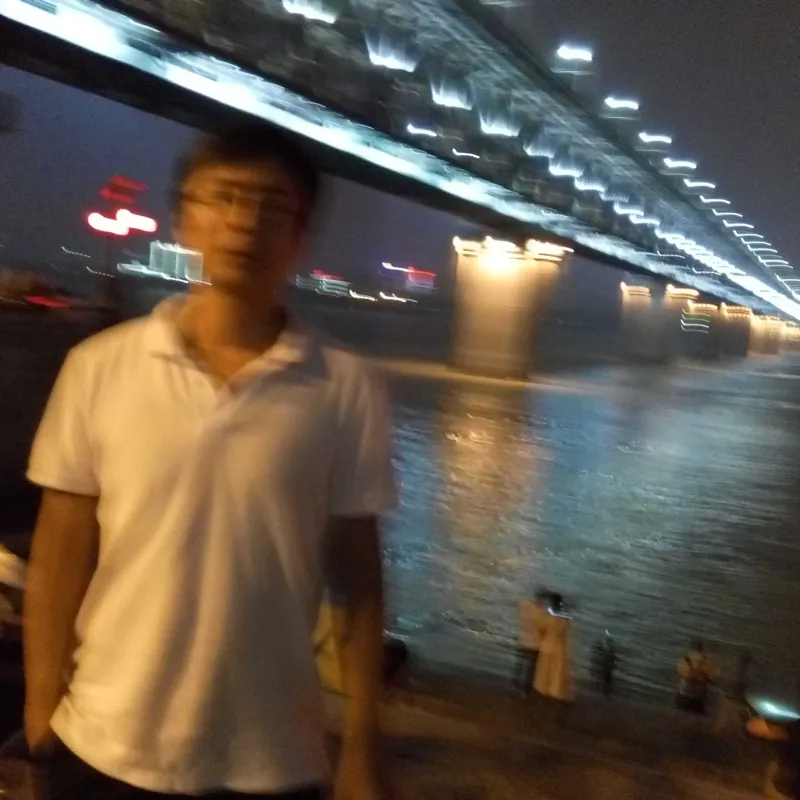
I’m Raymond Dang — Shanxi-born, Wuhan-based. A guy who landed in this city nearly two decades ago for a university he didn’t choose, in a major he didn’t pick, and somehow never quite left.
Logistics, Wuhan University of Technology, 2006. That’s the official story. The real story starts with a red mohawk at the exam hall — the only way I knew to calm myself down before walking into the gaokao.
Then Ships and Ocean Engineering — because that’s what the points got me. Extra years to graduate. A year of DotA and Erguotou in a tiny apartment after. A hospital stay. The slow, unglamorous climb: ceramics, secretary work, store management. Then going out on my own.
I run a bathroom fixtures shop on Jiefang Avenue now. It’s not a startup. It’s not a lifestyle brand. It’s a store — the kind where you haggle at six in the morning, chase a missing delivery, and genuinely sweat when August is slower than July.
I also maintain another blog where I’ve written close to a thousand essays over the years — free games, coupons, limited-time deals, whatever’s worth sharing. That’s the honest version of me.
Why this site?
Here’s the thing about Wuhan — the English content out there doesn’t do it justice. Most travel guides treat it as a transit city: spend a day at Yellow Crane Tower, eat some hot dry noodles, move on.
I live here. I’ve eaten at the 6:00 AM breakfast stalls where the aunties know my order. I’ve watched the Yangtze River Bridge at 5:00 AM when the fishermen are out. I know which side of East Lake has the quiet teahouses that tourists never find. I know which subway line to avoid at rush hour and which weekend market actually has the best fish.
This site isn’t a travel blog in the traditional sense. It’s a collection of things I’ve learned by living here — written for people who genuinely want to know the city, not just check it off a list.
What you’ll find here
- Food — Not just “where to eat” but where I eat. Hot dry noodles, breakfast culture, night markets, 10 dishes beyond breakfast — the street food that defines this city.
- Travel — Routes, timing, and practical tips you won’t find in guidebooks. Start with the 3-day itinerary. When to come (season-by-season guide), where to stay (neighborhood guide).
- Culture & History — The Three Towns and their deep histories: Hankou, Wuchang, and Hanyang. The city at war in 1938, the tech industry that replaced its factories, and the river culture that defines everything, and the flood history that shaped the city’s fate. The 1911 Revolution that ended 2,000 years of empire, and the vanishing lifang alleyways of old Hankou. The 2,400-year-old bells, the tower that inspired Li Bai, China’s most beautiful campus, why 1.3 million students call Wuhan home, the 166 lakes that cover a quarter of the city, and the European concession buildings that nobody told you about.
- Living Guide — Getting around Wuhan (airport, metro, ferry, payment apps), the elevated highways that connect the three towns, how to survive the local dialect, surviving summer in China’s furnace city, and the unwritten rules of daily life in Wuhan.
A few things you should know
- I’m not a journalist. I’m not a travel writer. I’m just someone who lives here and writes about it.
- This site is static — no logins, no data collection beyond basic Google Analytics. See the Privacy Policy for full details.
- Everything here is written in English, because the people I want to reach don’t read Chinese.
Get in touch
If you’re planning a trip to Wuhan and have questions, or if you’ve lived here a while and think I’ve got something wrong, I’d genuinely like to hear from you.
See the Contact page for details, or email me directly at showtime4ever@126.com.