
Wuhan has four personalities
Wuhan is one of China’s “Three Furnaces” (三大火炉), cities known for brutal, suffocating summers. The temperature hits 40°C in July and August, and the humidity makes it feel like you’re wearing a wet blanket.
But that’s only half the story. Spring in Wuhan is spectacular, cherry blossoms, warm breezes, green hills. Autumn is the best season of all: dry, cool, golden, and winter has its charm if you know where to go.
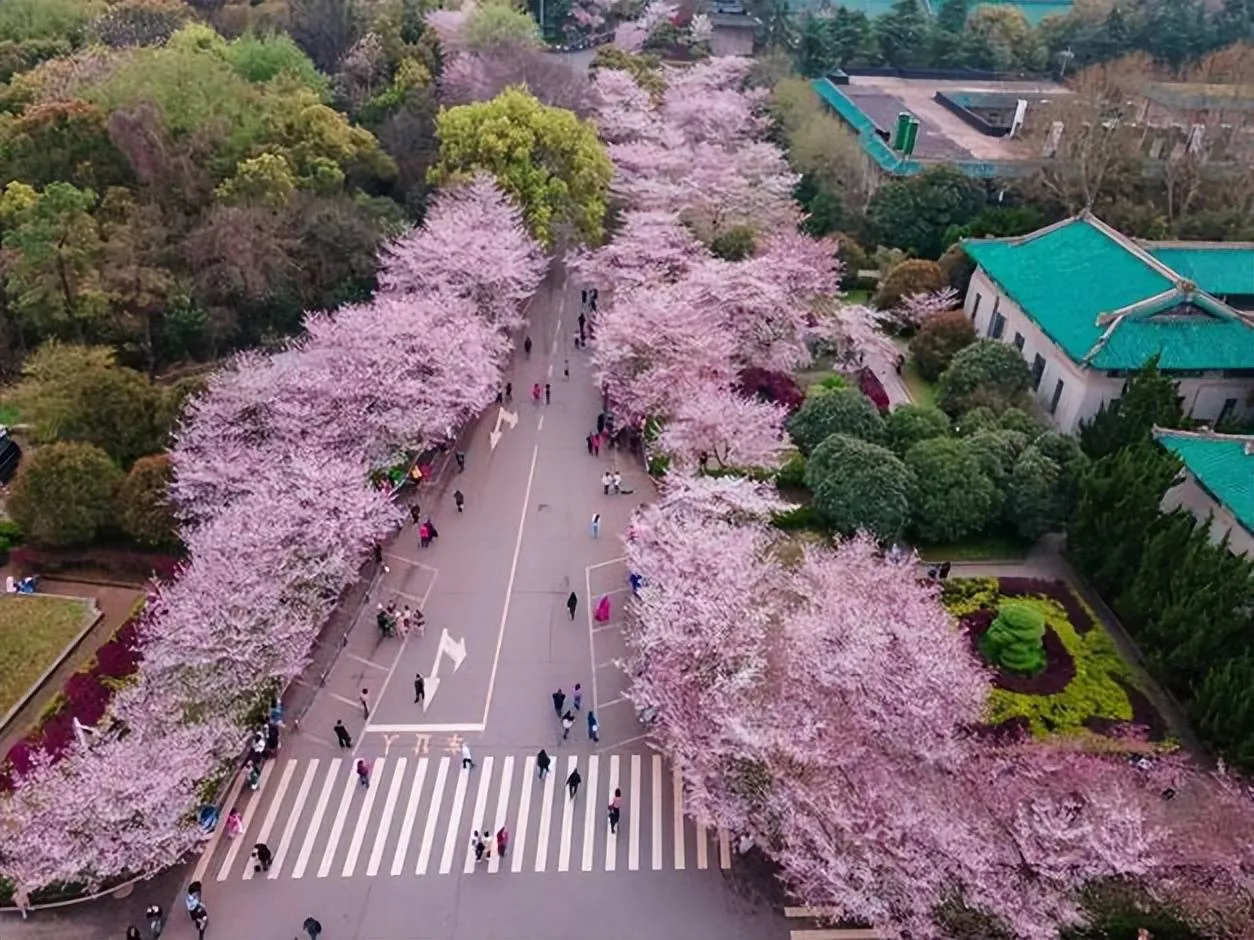
Cherry blossom season at Wuhan University: mid-to-late March, if the weather cooperates.
I’ve lived through 18 of these cycles. Here’s what to expect each season, and when you should actually come.
The Short Answer
Best months: October and November. Cool, dry, blue skies. 15-25°C. Perfect for walking the Bund, climbing Yellow Crane Tower, or cycling around East Lake.
Second best: March and April. Cherry blossom season: beautiful but crowded, so book hotels early.
Worst: July and August. At 35-40°C with 80% humidity, you’ll sweat through your shirt in 5 minutes. Only come if you love heat or have no choice.
Underrated: December and January. Cold but manageable (0-10°C). No crowds, and hot dry noodles taste even better in the cold.
Spring (March-May)
March: cherry blossom season
This is the month Wuhan goes crazy for cherry blossoms. Wuhan University has 1,000+ cherry trees, and the campus turns into a pink-and-white wonderland for about two weeks, usually mid-to-late March.
The exact bloom dates depend on the weather. In warm years, they peak around March 15-20; in cold years, late March or even early April. The university limits visitors during peak season; you need to book a free slot through their WeChat official account in advance.
East Lake’s Cherry Blossom Garden (磨山樱花园) is the other major spot. It has 10,000 trees and is less crowded than the university, but it costs 60 yuan.
Temperature: 10-20°C. Bring a light jacket, because it rains. Crowds: High. Book hotels 2-3 weeks early.
April: the sweet spot
April is hands down the best spring month. The cherry blossoms are mostly done (or just finishing), the crowds thin out, and the weather is ideal: 15-25°C, sunny, low humidity. The East Lake Greenway is at its greenest, which makes it a great month for photography.
Temperature: 15-25°C. T-shirt during the day, light jacket at night. Crowds: Moderate.
May: getting warm
May is the transition month. Early May is still pleasant, but by late May, the heat starts building. The Labor Day holiday (May 1-5) brings huge domestic crowds, so avoid these dates if you can.
Temperature: 20-28°C. Summer clothes. Crowds: Spike during May 1-5 holiday, otherwise moderate.
Summer (June-August)
June: plum rain season
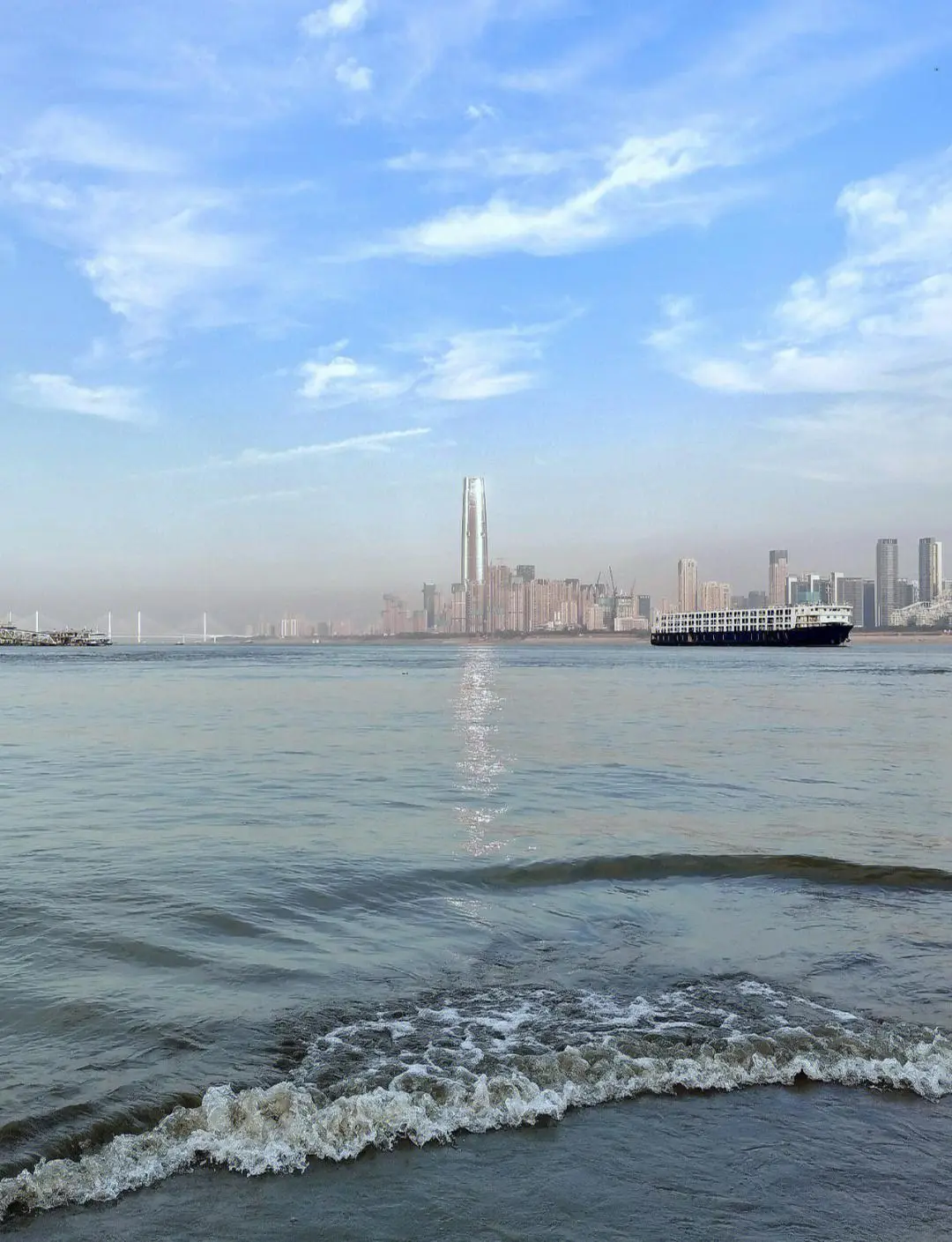
Summer on the Bund: 38°C, 80% humidity, and the river is the only relief.
June is “梅雨季”, the plum rain season. It rains for days at a time, not dramatic thunderstorms, just relentless gray drizzle. Everything feels damp. The humidity is 85%+.
On the plus side, the temperature is still manageable (25-30°C), and the rain keeps the crowds away.
Temperature: 25-30°C. Humid. Bring an umbrella always, rain lasts days. Crowds: low, especially mid-week.
July and August: the furnace
This is why Wuhan is called a furnace. 35-40°C every day, 80% humidity, and the heat doesn’t break at night; it’s still 32°C at midnight. The Yangtze River, which usually cools riverside cities, is so wide that it doesn’t help.
Locals survive by:
-
Eating breakfast at 5:30 am, before the sun gets brutal
-
Staying indoors 11 am - 4 pm
-
Going out after sunset: the night markets come alive
-
Drinking iced mung bean soup (绿豆汤) from every street stall
If you do come in summer, plan all outdoor activities for early morning or evening. Spend midday in the Hubei Provincial Museum (air-conditioned, free) or a shopping mall.
Temperature: 35-40°C. Oppressive. Dress as light as possible. Crowds: Low for foreign tourists, high domestic travel in July (school holidays).
Autumn (September-November)
September: still warm, but bearable
Early September is still hot, around 30°C+. But by mid-to-late September, the worst is over. The humidity drops, the sky clears, and Wuhan starts being pleasant again. The Mid-Autumn Festival usually falls in September; look for mooncakes in every bakery.
Temperature: 25-32°C, cooling toward end of month. Crowds: Moderate.
October: the best month
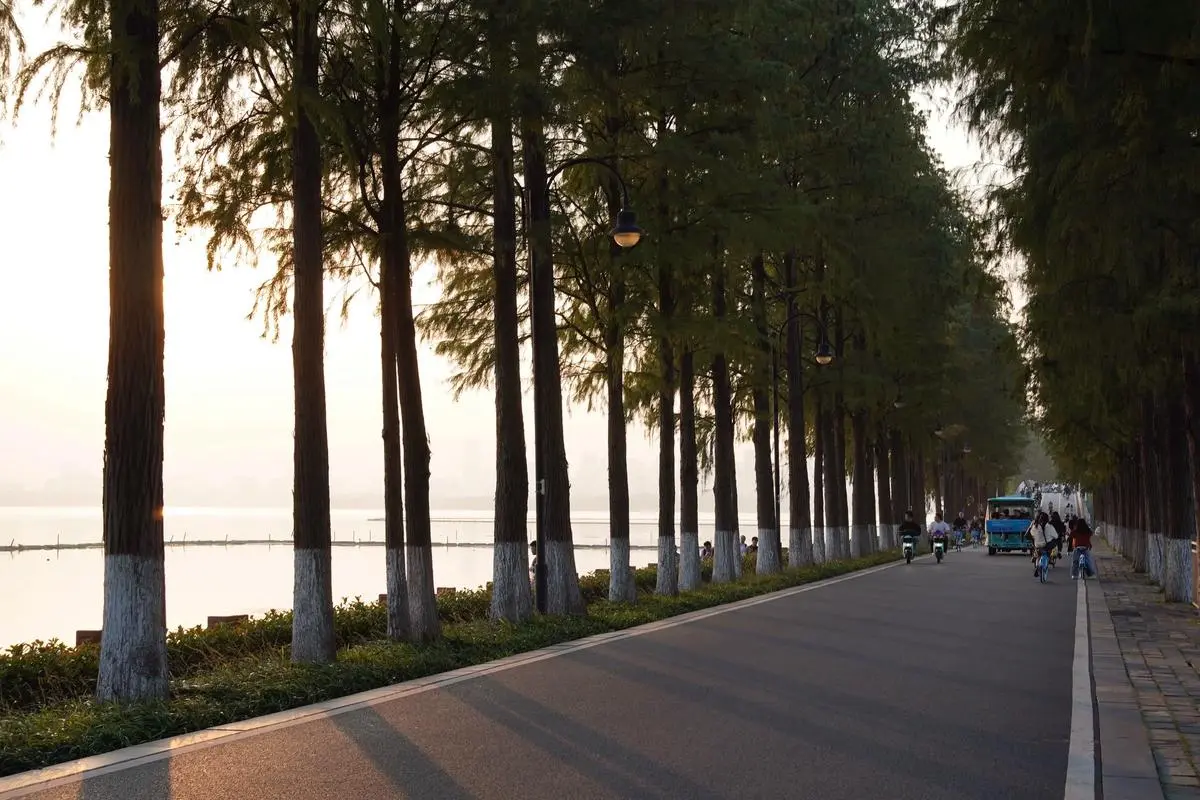
October at East Lake: 22°C, blue skies, golden leaves, which is why October is the best month.
October is why I live in Wuhan: 15-25°C, low humidity, blue skies, golden light. The plane trees along the Bund turn yellow, and East Lake is shimmering. The Yangtze Bridge walk at sunset is perfect.
The National Day holiday (October 1-7) is chaos: 800 million Chinese people travel in one week. Avoid this week entirely. After October 7, the crowds vanish and the weather is glorious.
Temperature: 15-25°C. Layers: T-shirt during the day, a light jacket at night. Crowds: Avoid Oct 1-7 at all costs. Otherwise, low.
November: cool and quiet
November is still good, just cooler, and far quieter. 10-20°C, dry, crisp. The autumn foliage peaks in mid-November at East Lake and Wuhan University. This is a great month if you want good weather without any crowds.
Temperature: 10-20°C. Perfect sweater weather, crisp and dry. Crowds: Low.
Winter (December-February)
December: cold but manageable
Wuhan’s winter is damp cold, 0-10°C with high humidity, which feels colder than the number suggests. There’s no central heating in most buildings (southern China doesn’t have it), so indoors and outdoors feel the same.
But December has its charms: the breakfast stalls steam up the streets, hot dry noodles hit different when it’s cold, and the night markets are cozy.
Temperature: 2-10°C. Winter coat, scarf, gloves, waterproof boots. Crowds: Low.
January: coldest month
January is the coldest month, and it occasionally drops below 0°C with occasional light snow. Not heavy snow like northern China, but enough to be pretty for a day, and the Spring Festival (Chinese New Year) usually falls in late January or February. If you’re here during Spring Festival, expect many shops and restaurants to close for 7-15 days.
Temperature: 0-8°C. Dress warm. Crowds: Very low (except during Spring Festival travel rush).
February: thawing
February is the transition back to spring. Still cold and damp, but you can feel the worst is finally over. Plum blossoms (梅花) start blooming at East Lake’s Plum Blossom Hill, not as famous as cherry blossoms, but arguably more beautiful, and with zero crowds.
Temperature: 3-12°C. Still winter clothes, maybe lighter at times. Crowds: Low.
Month-by-Month Quick Reference
| Month | Temp (°C) | Rating | Notes |
|---|---|---|---|
| Jan | 0-8 | ★★☆ | Coldest, possible snow, Spring Festival |
| Feb | 3-12 | ★★☆ | Plum blossoms, quiet |
| Mar | 10-20 | ★★★★ | Cherry blossoms! Book hotels early |
| Apr | 15-25 | ★★★★★ | Best spring month, ideal weather |
| May | 20-28 | ★★★ | Warm, avoid May 1-5 holiday |
| Jun | 25-30 | ★★☆ | Plum rain season, humid |
| Jul | 35-40 | ★☆ | Furnace. Only for the brave |
| Aug | 35-40 | ★☆ | Still furnace. Museum days |
| Sep | 25-32 | ★★★ | Cooling down, Mid-Autumn Festival |
| Oct | 15-25 | ★★★★★ | Best month. Avoid Oct 1-7 holiday |
| Nov | 10-20 | ★★★★ | Autumn foliage, no crowds |
| Dec | 2-10 | ★★★ | Cold but cozy, hot pot weather |
What to Pack
-
Spring/Autumn: T-shirts, light jacket, comfortable walking shoes, umbrella
-
Summer: Lightest clothes you own, sandals, hat, sunscreen, refillable water bottle
-
Winter: Winter coat, sweater, scarf, gloves. Dress in layers, because restaurants and malls have heating but streets don’t
The Bottom Line
Come in October if you can, or April if you can’t. Avoid July-August unless you enjoy suffering. And whenever you come, use my 3-day itinerary and transportation guide to make the most of it.
Had a different experience with Wuhan weather? Email me and tell me what I got wrong, because I will update this guide.
Related:
-
Lotus Root and Pork Rib Soup: The Taste of a Wuhan Home, the winter dish that justifies a cold-weather visit
-
3 Days in Wuhan: A Local’s Itinerary; what to do after arriving
-
Wuhan University: Cherry Blossoms, the main reason to come to Wuhan in March
-
Getting Around Wuhan: Transportation Guide, metro lines, the ferry crossing, and how you actually pay for things
-
Two Rivers, Three Towns why the city is really three cities
-
East Lake: Wuhan’s Green Heart; best in October, when the greenway is at its loveliest
-
Wuhan’s Lakes: Why China’s Biggest Lake-City Has More Water Than You Think, the lake-city claim, explained with numbers
-
Wuhan in Summer: Surviving China’s Furnace City, what 40°C actually feels like in the street
-
Wuhan’s Year: Festivals and Events Calendar a month-by-month events calendar
-
What to Buy and Where: A Wuhan Shopping Guide; tea, duck necks, porcelain, and which malls to skip entirely
-
Where to Point Your Camera: A Wuhan Photography Location Guide, the best photo spots, mapped out
-
Beyond the City: 5 Day Trips from Wuhan, the five nearest places to escape for a day
-
Why Wuhan’s Retirees Own This City the morning city that tourists sleep through