
Before the city, there was the river
I have a habit that my friends think is strange. I wake up before 5 AM, walk to the Yangtze, and just watch it. Not every day, but more days than not. The river at 5 AM is different from the river at any other time. The fishermen are out in their small wooden boats, checking nets they set the night before. The water is flat and grey, reflecting a sky that hasn’t decided yet whether to be light or dark. The city behind you is still asleep. The river isn’t.
I’ve been doing this for 18 years. And I’ve come to believe that you can’t understand Wuhan without understanding the Yangtze. Not the geography of it. I’ve already written about how the river divides the city into three towns. I mean the culture. The feel. The way the river gets inside people.
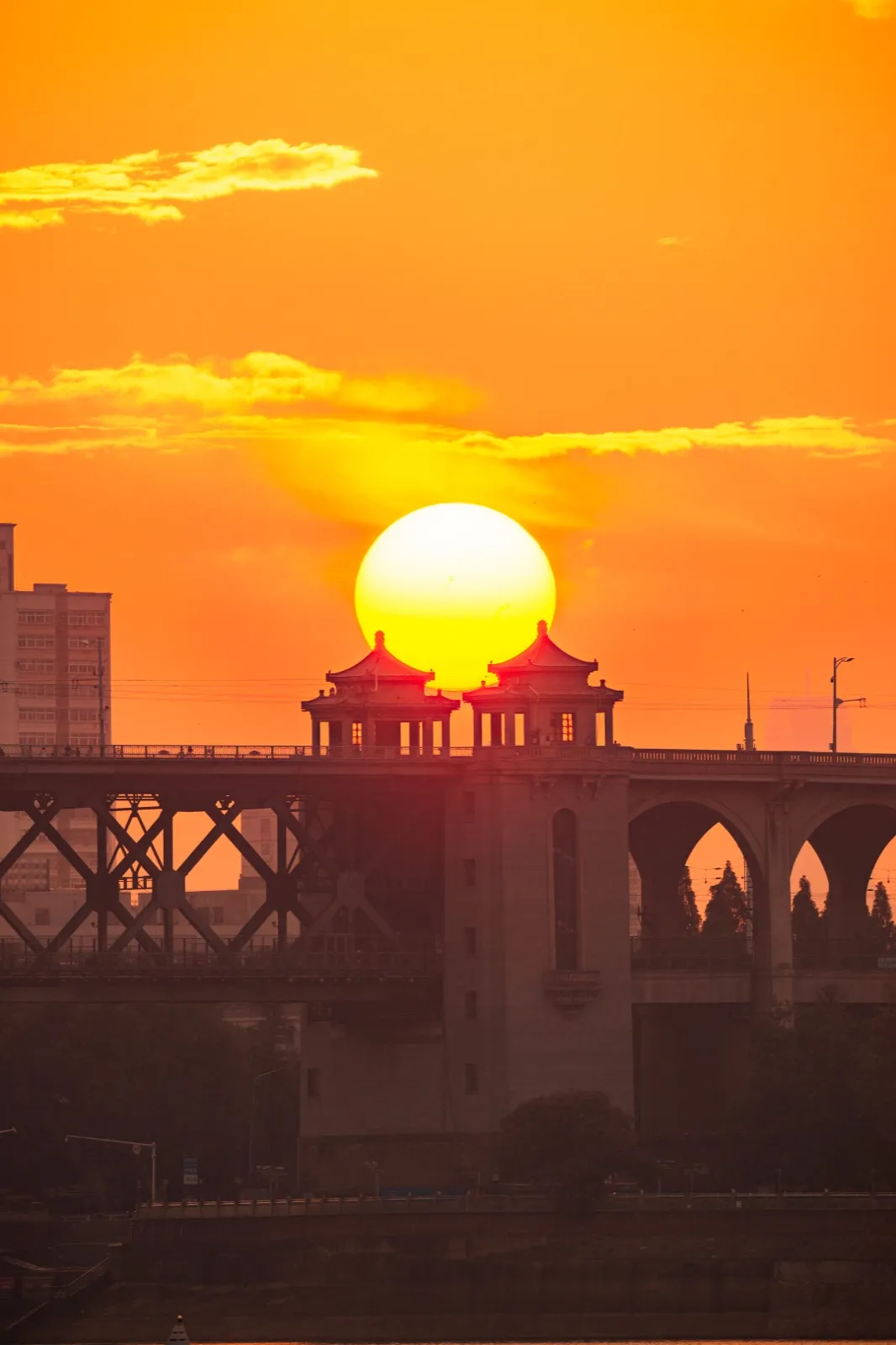
The Yangtze at dawn: before the city wakes, the river is already working.
A river that decides everything
The Yangtze isn’t just scenery in Wuhan. It’s the reason the city exists.
I explained in my Hankou history article how the river’s trade routes made the city one of China’s greatest commercial centers. The “thoroughfare of nine provinces”: everything moved through here because the river connected everything. Rice from Sichuan, tea from Hubei’s mountains, salt from the coast, cotton from the plains. All of it on boats, all of it on the Yangtze.
But the river doesn’t just create wealth. It creates personality. People who live beside a river this large (6,300 kilometers long, wider than most lakes in the parts that flow through Wuhan) develop a specific relationship with water. They respect it, fear it, and depend on it.
The old people in Wuhan have a saying: “靠水吃水”, “live by the water, eat from the water.” It means more than just fishing. It means the river provides, but it also takes. Floods have devastated Wuhan repeatedly throughout history. The worst in 1954, when the Yangtze rose to record levels and the entire city mobilized to hold the levees. My wife’s grandmother was there. She carried sandbags at 16 years old. I’ve written about Wuhan’s flood history separately.
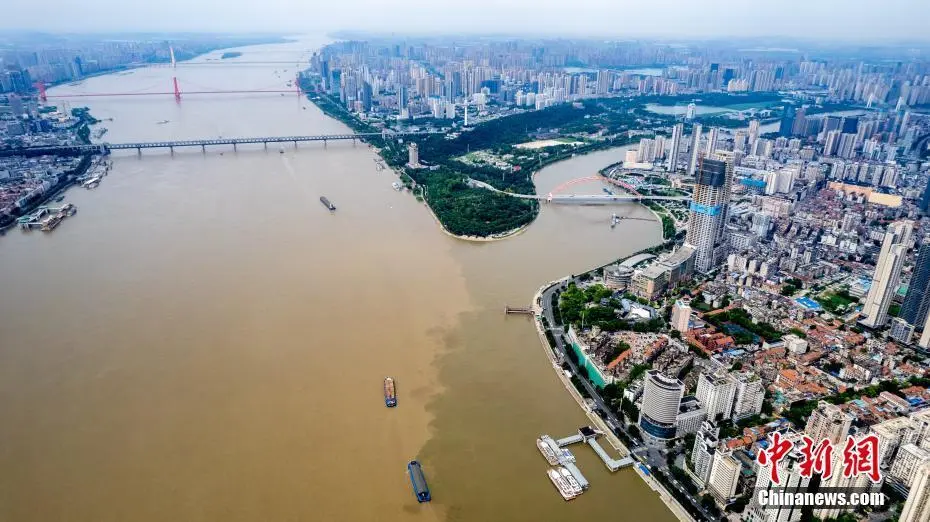
Where the Han River meets the Yangtze: the confluence that created Wuhan’s three towns.
The ferry culture
Before the first bridge was built in 1957, the only way between the three towns was by ferry. The ferry wasn’t just transportation. It was a social space. You’d stand on the deck with 200 other people, the wind off the river in your face, watching the other town get closer. People chatted. People argued. People fell in love. Old-timers in Wuhan still talk about the ferry rides the way New Yorkers talk about the subway, as the thing that connected everything.
The ferries still run. I take one sometimes, from Hankou to Wuchang, even though the metro is faster. It costs 1.5 yuan. The boat is old, the seats are plastic, and the engine vibrates through the floor. But for 20 minutes, you’re on the river. Not above it (like the bridge) or under it (like the metro tunnels). On it. You can feel the current. You can smell the water. You can see the fishermen and the cargo ships and the city from a perspective that nothing else gives you.
If you visit Wuhan, take the ferry at least once. The route from Wuhan Port (武汉关码头) in Hankou to Wuchang costs almost nothing and takes 20 minutes. Go at sunset. You’ll understand the river.
The river in poetry
The Yangtze isn’t just a physical presence in Wuhan. It’s a literary one. For 1,300 years, poets have stood on the riverbank here and written about what they saw.
The most famous is Li Bai (李白), who climbed the Yellow Crane Tower in Wuchang and watched a friend’s boat disappear down the Yangtze:
故人西辞黄鹤楼,烟花三月下扬州。 孤帆远影碧空尽,唯见长江天际流。
An old friend bids farewell to the Yellow Crane Tower, In misty March, heading down to Yangzhou. A lone sail’s distant shadow vanishes into the blue sky, Only the Yangtze remains, flowing to the horizon.
That poem is 1,200 years old. I can stand on the same hill, look at the same river, and see, not the same view, obviously, but the same water. The Yangtze doesn’t care about centuries. It just flows.
This is the thing about the river in Wuhan: it connects you to history in a way that buildings and museums can’t. The colonial buildings on the Bund are 100 years old, the iron works ruins are 130 years old. The river is ageless. Li Bai saw it, Cui Hao saw it, Sun Quan saw it. And now I see it, every morning at 5 AM.
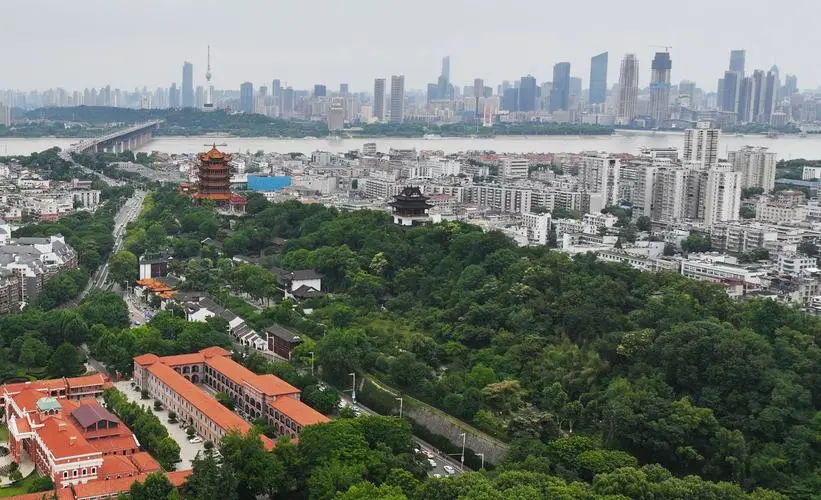
The view Li Bai described: the Yangtze from Yellow Crane Tower, flowing to the horizon.
The river at night
The river changes after dark. During the day, it’s working: cargo ships, ferries, fishermen. At night, it becomes a stage.
The two-river-four-bank light show (两江四岸灯光秀) is a nightly event that most tourists never hear about. Starting at around 8 PM, every building along both riverbanks (in Hankou, Wuchang, and Hanyang) lights up in synchronized patterns. Colors ripple across the facades like water. The bridges glow. The river reflects everything back, doubled.
It’s not subtle. It’s not elegant. It’s loud, bright, and slightly overwhelming, which is to say, it’s very Wuhan. The first time I saw it, I thought it was tacky, but by the tenth time I realized it was actually kind of beautiful. The hundredth time, I stopped thinking about it at all. It was just the river, being the river, doing its nightly show.
The best place to watch is from the Yangtze River Bridge. Walk out to the middle at 8 PM. Look north toward Hankou. The entire city is lit up, reflected in the water, and you’re standing above it all on a bridge that’s been here since 1957. It’s the closest thing Wuhan has to a magic moment.
The river and food
The river isn’t just in Wuhan’s history and poetry. It’s in the food.
Breakfast culture in Wuhan (guo zao) is built around street stalls that open at 5 AM. Why 5 AM? Because the river people (fishermen, dock workers, boat crews) started their day at dawn. They needed hot, fast, cheap food before they hit the water. Hot dry noodles, the dish Wuhan is most famous for, was invented as a quick meal for people who worked on or near the river.
The river also provides. Fish is everywhere in Wuhan cuisine, and the species are specific to the Yangtze. The most famous is the bream (武昌鱼), literally “Wuchang fish,” a flat, silver river fish that Mao Zedong wrote about. Steamed, simple, with ginger and scallions. You can get it at any restaurant in the city, and the best ones are near the river, because the fish is freshest there.
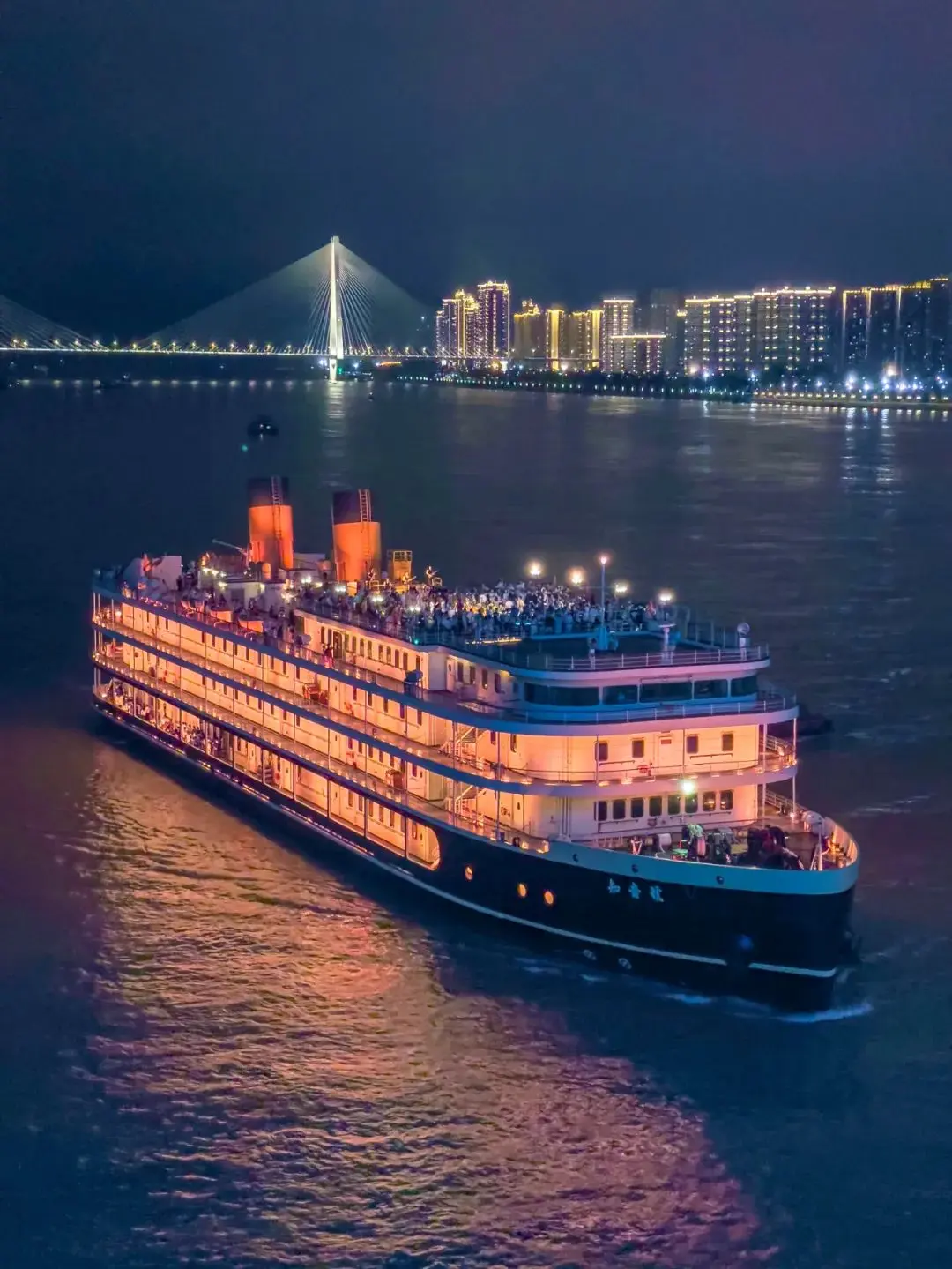
The Yangtze at night: light shows, river cruises, and a city that refuses to sleep.
What the river taught me
I’ve lived beside the Yangtze for 18 years. I’ve watched it at 5 AM and at midnight. I’ve seen it flat and grey, and I’ve seen it brown and angry in flood season. I’ve taken the ferry in summer heat and winter cold. I’ve eaten fish from it, written about it, and argued with friends about it.
The river taught me something that I think is true about Wuhan itself: you don’t fight the river, you live with it. The river doesn’t care about your plans. It doesn’t care about your schedule. It flows when it flows, floods when it floods, and the best you can do is pay attention and adapt.
That’s the Wuhan personality. Not the aggressive, commercial energy of Hankou. Not the intellectual pride of Wuchang. Something deeper, the patience of people who have lived beside a river for 1,800 years and learned that the river always wins, so you might as well learn to swim.
How to experience the river
| Experience | How | Cost |
|---|---|---|
| Dawn at the riverbank | Walk to Hankou Bund or Wuchang riverbank before 5:30 AM | Free |
| Ferry crossing | Wuhan Port (Hankou) to Wuchang, every 20 min | 1.5 yuan |
| Walk the Yangtze Bridge | From Hanyang to Wuchang at sunset | Free |
| Night light show | Any riverbank at 8 PM, or from the bridge | Free |
| River cruise | Tour boats depart from Hankou port | 80-120 yuan |
Start with the dawn. I know 5 AM is early. But the Yangtze at dawn is the real Wuhan, the one that existed before the tourists, before the light shows, before the bridges. Just the river, the fishermen, and the city waking up behind you. That’s the Wuhan I’ve been trying to write about this whole time.
The Yangtze runs through everything in Wuhan. Read more about the city it shaped: the three towns, walking the bridge at night, and the Bund.
Related:
-
Walking the Yangtze Bridge at Night: the best way to experience the river
-
Two Rivers, Three Towns: how the Yangtze and Han created Wuhan
-
Yellow Crane Tower: Beyond the Poem: the view that inspired 1,200 years of poetry
-
Wuhan Breakfast Culture: Guo Zao: the river workers’ food culture
-
Wuhan’s Lakes: Why China’s Biggest Lake-City Has More Water Than You Think: the other half of Wuhan’s water story
-
Wuhan and the Floods: A City Defined by the Yangtze: how floods shaped the city’s fate
-
The 1.5-Yuan Ferry: Wuhan’s Cheapest River Crossing: 20 minutes on the river for 20 cents
-
Wuhan’s Year: Festivals and Events Calendar: the river drives the city’s annual rhythm