
Three cities, one name
Most people think Wuhan is one city. It’s not. It’s three separate cities: Hankou, Wuchang, and Hanyang, glued together by bridges and tunnels across two rivers. The name “Wuhan” was only invented in 1949, taken from the first characters of Wuchang (武) and Hankou (汉).
Before that, they were separate cities with separate histories, separate economies, and separate personalities. They still have separate personalities. A local can tell which town someone is from by how they talk, what they eat for breakfast, and which side of the river they call “downtown.”
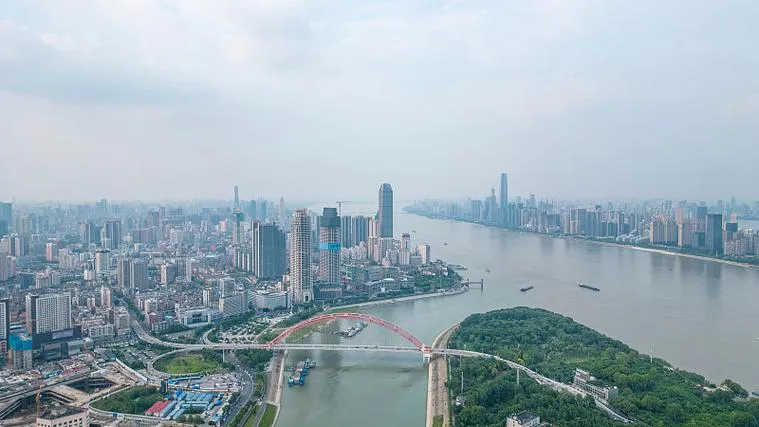
Where two rivers meet: the Yangtze and Han divide Wuhan into three distinct cities.
I live in Hankou but I’ve spent years in all three. Here’s what makes each one different, and why understanding this matters when you visit.
The rivers that made the city
Two rivers meet in Wuhan. The Yangtze (长江) flows from west to east, wide and brown. The Han River (汉江) flows from the northwest, narrower and greener, emptying into the Yangtze right in the middle of the city.
These two rivers carve Wuhan into three pieces:
-
Wuchang, east of the Yangtze: the city’s cultural and educational center.
-
Hankou, north of the Han River and west of the Yangtze, the commercial heart of the city.
-
Hanyang, south of the Han River and west of the Yangtze: the industrial town, and the quiet one.
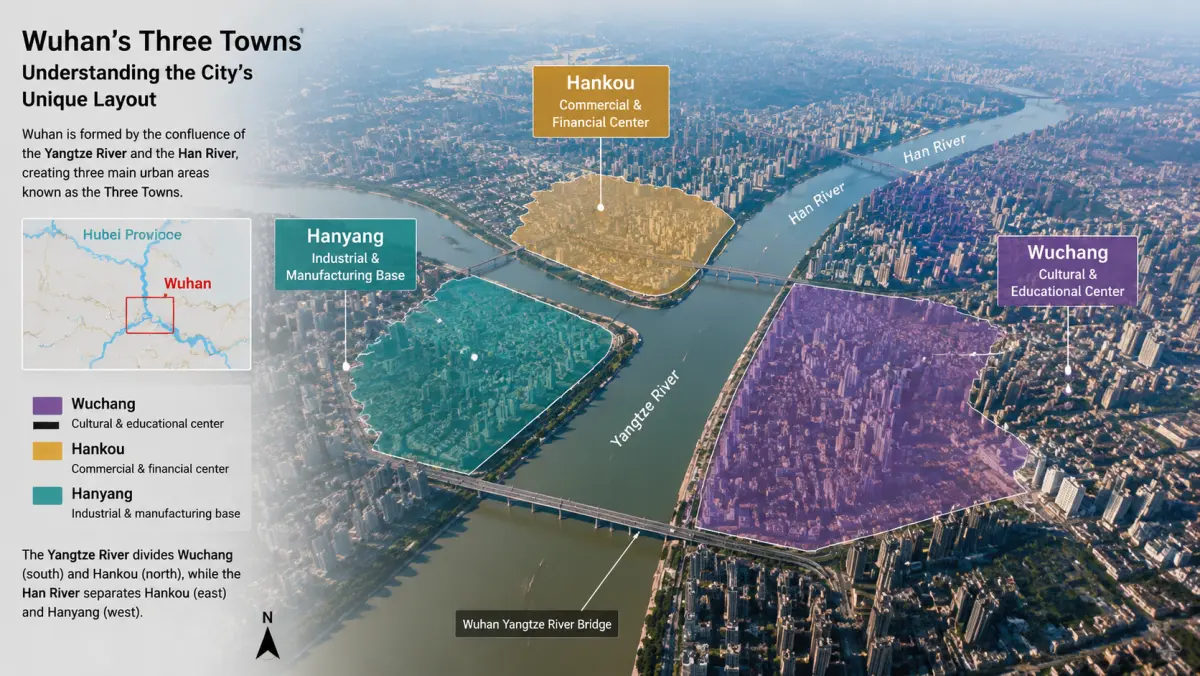
Wuhan’s geography: Wuchang to the east, Hankou to the northwest, Hanyang to the southwest, two rivers between them and bridges across.
Before the first bridge was built in 1957, the only way between the towns was by ferry. The rivers were the identity. You didn’t say “I’m going to Wuhan.” You said “I’m going to Hankou” or “I’m going to Wuchang.” Many old people still talk that way.
Wuchang: the mind
Wuchang is the oldest of the three, founded in 223 AD as a military fortress. It’s been the cultural and educational center of the region for 1,800 years.
This is where you’ll find:
-
Yellow Crane Tower on Snake Hill: the city’s most famous landmark
-
Wuhan University, China’s most beautiful campus, on Luojia Hill
-
Hubei Provincial Museum, where you can see 2,400-year-old bells and the Sword of Goujian
-
East Lake: 87 square kilometers of water, the city’s green lung
Wuchang feels different from Hankou. The streets are narrower, the trees are older, the pace is slower. It’s a university town, with 10+ universities within a 5-kilometer radius. During the school year, the streets around Guangbutun and Zhuodaoquan are full of students on bicycles, eating at 10-yuan restaurants.
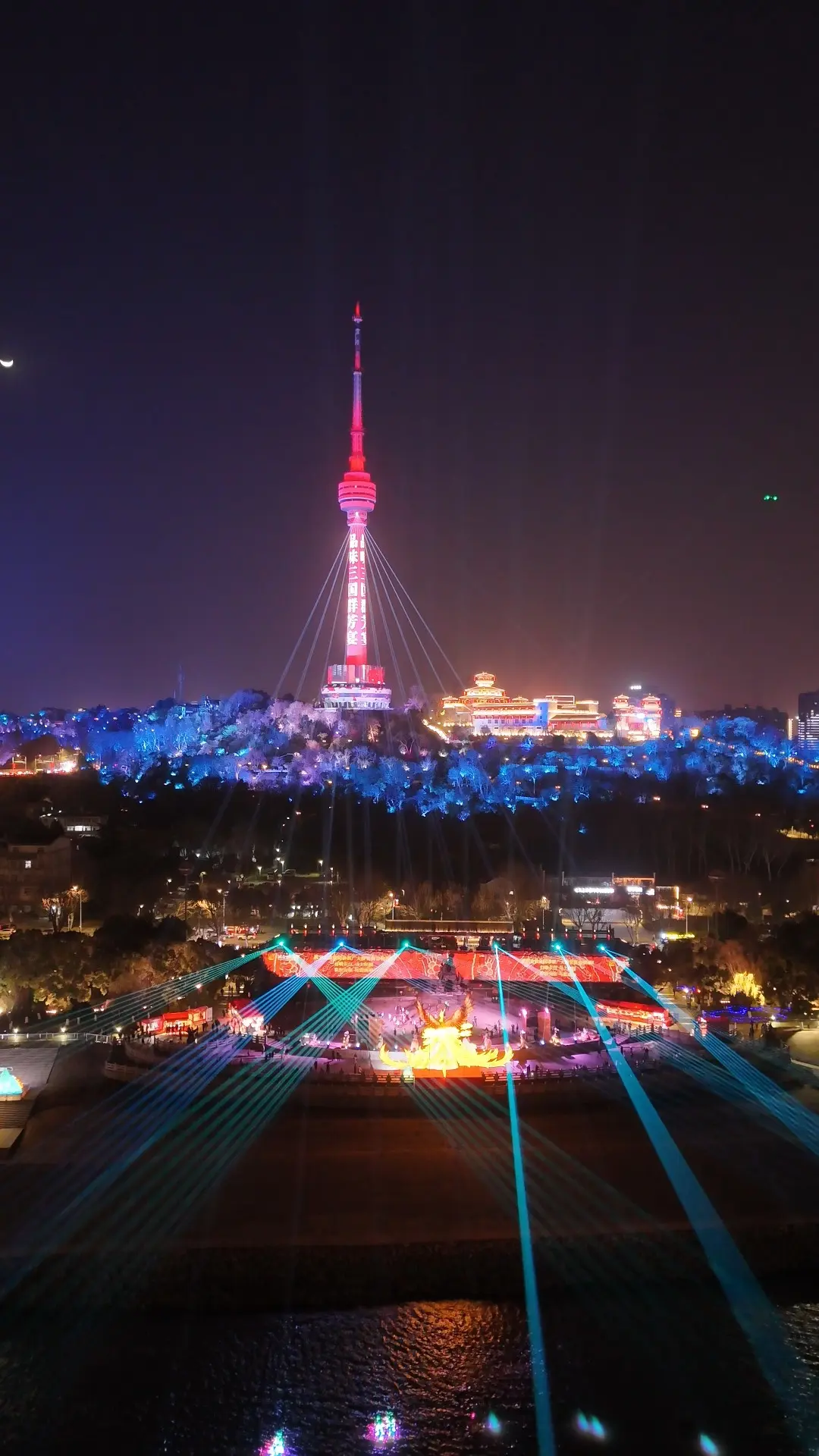
A Wuchang back street: narrower, greener, slower. This is the university-town side of Wuhan.
The Wuchang personality: intellectual, slightly proud, more interested in history than commerce. Wuchang people think Hankou is too loud and too money-focused.
Hankou: the wallet
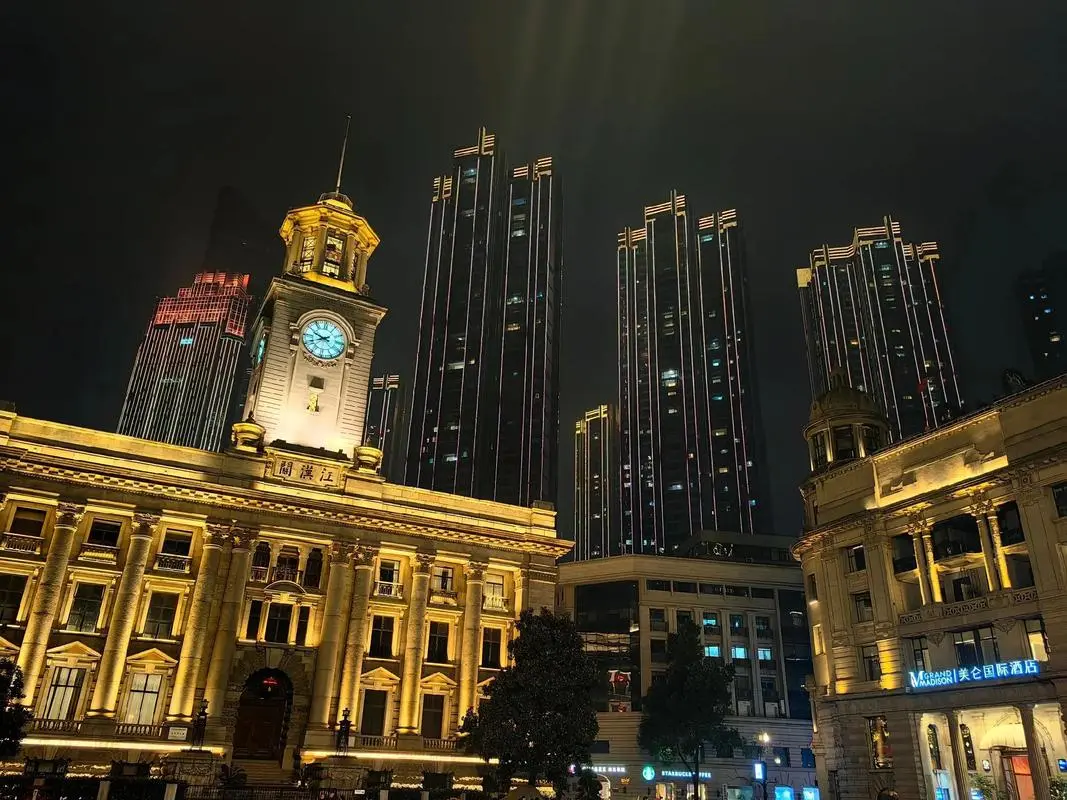
Hankou at dusk: the commercial center of Wuhan, where the money and the breakfast stalls coexist.
Hankou is the money. Founded as a trading port along the Yangtze, it became one of the four largest cities in China by 1900. The foreign concessions were here: British, French, German, Russian, Japanese. Each built their own slice of Europe along the riverfront.
Hankou is where you’ll find:
-
The Bund promenade, 12 km of riverfront lined with colonial architecture
-
Jianghan Road: the main shopping street, pedestrian-only, with early 20th-century buildings
-
The best hot dry noodles (don’t tell Wuchang people I said that)
Hankou feels like a commercial city. The streets are wider, the buildings are taller, the pace is faster. People walk quickly. They talk loudly. The breakfast culture here is the most intense. Stalls open at 5:00 am, and by 7:00 the sidewalks are full of people eating from paper bowls.
The Hankou personality: pragmatic, fast-talking, commercially minded. Hankou people think Wuchang is too slow and too academic.
Hanyang: the quiet one
Hanyang is the smallest and quietest of the three. It was the industrial base, with steel mills, chemical plants, and machinery factories. Many of those have closed or relocated, but the character remains: working-class, unhurried, residential.
This is where you’ll find:
-
Guiyuan Temple, the most important Buddhist temple in Wuhan, 300 years old
-
Qingchuan Pavilion, a Ming Dynasty tower on the Yangtze, directly across from the Yellow Crane Tower
-
The Hanyang Iron Works ruins, one of the first modern factories in China, now a museum
-
Tortoise Hill (龟山): a forested hill between the two rivers, with walking paths and a view of the confluence
Hanyang doesn’t have the tourist sites of Wuchang or the shopping of Hankou. But it has something the other two don’t: space. The streets are quieter. The parks are emptier. The hot dry noodles are wetter and more vinegary here: the Hanyang style, which locals from the other two towns will admit is the most “home-cooked” version.
The Hanyang personality: calm, practical, slightly overlooked. Hanyang people think both Hankou and Wuchang are too noisy.
The bridges that made it one city
Three bridges connect the three towns across the Yangtze and Han rivers:
The Wuhan Yangtze River Bridge (1957) was the first bridge ever built across the Yangtze. It connects Wuchang to Hanyang. Walk it at sunset; it’s the best free experience in the city.
Second Yangtze River Bridge (1995) connects Wuchang to Hankou directly. You’ll cross it yourself if you take a taxi between the two towns.
Multiple bridges cross the narrower Han River between Hankou and Hanyang. The oldest, Jianghan Bridge, was built in 1956.
Before 1957, it took an hour by ferry to get from Wuchang to Hankou. Now it takes 10 minutes by metro. The full story of how those bridges got built, from the 1957 Soviet-assisted first crossing to the 2014 orange Parrot Island Bridge, is here. But the mental divide remains. Ask anyone in Wuhan which town they’re from, and they’ll have an answer ready.
Why this matters for visitors
If you’re planning a trip to Wuhan, understanding the three towns helps you plan:
-
Stay in Hankou if you want shopping, food, nightlife, and colonial architecture. It’s the most convenient base.
-
Stay in Wuchang if you’re interested in history, universities, and East Lake. It’s quieter and more cultural.
-
Don’t stay in Hanyang unless peace and quiet is what you want. There’s less to do, but it’s still the most “real” Wuhan.
Most of my 3-day itinerary is in Hankou and Wuchang, and Hanyang is a half-day trip at most.
Practical info
| Item | Details |
|---|---|
| Wuchang | East of Yangtze: Yellow Crane Tower, East Lake, Wuhan University, Hubei Museum |
| Hankou | North of Han River: Bund, Jianghan Road, Jiqing Street, best breakfast |
| Hanyang | South of Han River: Guiyuan Temple, Tortoise Hill, quietest |
| Crossing | Metro (fastest), ferry (most scenic), taxi (most convenient) |
| Ferry | 1.5 yuan, Hankou ↔ Wuchang, every 20 min |
Which town do you belong to? Email me; I have opinions about this.
Related:
-
Hankou: The River Port That Became China’s Chicago. 500 years of history
-
Wuchang: 1,800 Years from Fortress to Revolution: the deep history of the city’s oldest town
-
Hanyang: The Iron Works That Forged Modern China, birthplace of Chinese industry
-
The River Is the City: Wuhan’s Yangtze Culture, the river that shaped all three towns
-
Wuhan at War: The Battle That Changed WWII in China, when the river was a battlefield
-
Wuhan’s Lakes: Why China’s Biggest Lake-City Has More Water Than You Think: the story of 166 lakes that shaped this city’s geography
-
Wuhan’s Elevated Highways: The Concrete Canopy Over Three Towns: how the city connects across water
-
3 Days in Wuhan: A Local’s Itinerary: Day 1 Hankou, Day 2 Wuchang, Day 3 all three
-
Getting Around Wuhan: Transportation Guide: crossing between towns
-
Walking the Yangtze Bridge at Night, the bridge that connected Wuchang and Hanyang
-
Wuhan and the Floods: A City Defined by the Yangtze: how the river’s floods shaped the city
-
Hankou’s Bund: The European Quarter, the heart of Hankou
-
The 1.5-Yuan Ferry: Wuhan’s Cheapest River Crossing, the original way to cross between towns
Sources
The geography of the three towns is described here in local terms.