
The city that breathes steam
I grew up in Shanxi. Northern China. Dry heat, cool nights, the kind of summer where you can sit outside at 9:00 PM and feel a breeze. I thought I knew what hot meant.
I was wrong.
My first Wuhan summer was 2007. July. I walked out of my dormitory at Wuhan University of Technology at noon and the air hit me like opening an oven door. Not dry oven heat. Wet heat. The kind where your shirt sticks to your back before you’ve made it to the campus gate. The kind where you step into shade and it feels exactly the same as standing in the sun, because the shade only blocks light, not temperature. The air itself is hot.
I checked my phone. 39°C. Humidity: 88%.
That night, I couldn’t sleep at all. The dormitory had one fan mounted on the wall, and it moved the hot air around like a convection oven. My roommates, all Wuhan natives, were shirtless on their beds, fanning themselves with textbooks. One of them had wet a towel and laid it across his chest. At 2:00 AM, the temperature was still 34°C.
I lay on my bed and thought: this is what they mean by “furnace.”
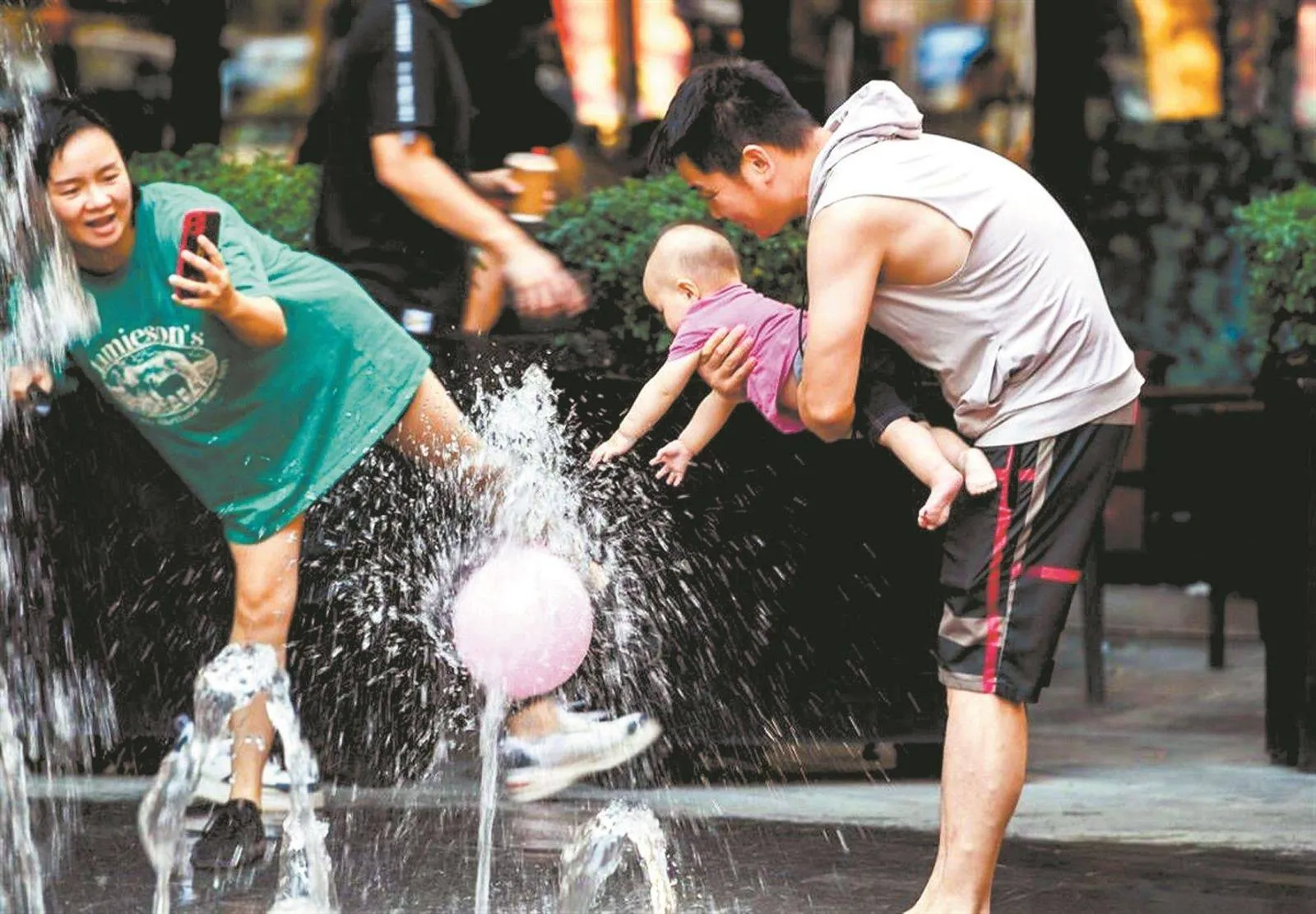
August in Wuhan. The air is so humid you can see it.
The three furnaces
China has a nickname for its hottest cities: the “Three Furnaces” (三大火炉). Wuhan, Nanjing, and Chongqing. All three sit on the Yangtze River. All three have summer temperatures that regularly exceed 40°C (104°F) with humidity above 80%.
The nickname dates back to the Republic of China era, but the phenomenon is ancient: the Yangtze River basin, especially the middle reaches where Wuhan sits, traps heat. The river evaporates moisture into the air. The surrounding mountains block wind. The city sits in a basin, and the heat collects there like water in a bowl.
Wuhan’s geography makes it worse than the other two. The city sits at the confluence of two rivers: the Yangtze and the Han. The water surface area is enormous. Wuhan has 166 lakes, including some of the largest urban lakes in China. All of that water evaporates. The humidity doesn’t just make the temperature feel higher. It makes sweat useless. In dry heat, sweat evaporates and cools you. In Wuhan’s humidity, sweat just sits on your skin. Your body can’t regulate its temperature, and you feel like you’re being slow-cooked.
The heat lasts from June to September. July and August are the worst. Daytime temperatures average 35-39°C, but the “feels like” temperature, accounting for humidity, regularly hits 45-50°C. The nights don’t bring relief. On the worst nights, the low is 31°C. You go to bed at midnight and it’s still 33 degrees.
In 2013, Wuhan recorded 37 consecutive days above 35°C. People started leaving thermometers in the sun and posting photos on social media showing 48°C, 50°C, 52°C. The weather bureau had to issue statements explaining that those readings were in direct sunlight, not shade. The official temperature was “only” 40°C.
Only.
The bamboo bed culture
Before air conditioning, Wuhan people survived the heat by moving outside. Every evening in July and August, entire neighborhoods would carry bamboo beds (竹床) out into the streets and alleyways. The bamboo beds were narrow, woven, and cool to the touch. Whole families would drag them onto the sidewalk, set up a thermos of cold tea, and sleep outdoors.
I never saw this in person. By the time I arrived in 2006, air conditioning was widespread enough that the bamboo bed tradition was fading. But my wife’s parents did it when they were children. Her mother, born in 1962 in Hankou, described it like this:
“Everyone was outside. Every family. The streets were full of bamboo beds, end to end. You’d walk down the alley and you’d have to step over sleeping people. Nobody had air conditioning. Nobody even had a fan sometimes. You just lay on the bamboo and hoped for a breeze. The men slept shirtless. The women slept in thin cotton. Kids ran around until midnight because it was too hot to sleep and there was nothing else to do.”
“The funny thing,” she said, “is that I remember it as a happy time. It was miserable heat, but everyone was outside together. You knew your neighbors. You knew the whole street. When someone had watermelon, they shared it with the whole street. When someone made iced mung bean soup, they’d bring some to the old people. Being outside together is what made the heat bearable.”
The bamboo bed culture died with the spread of air conditioning in the 1990s. By 2000, most urban families had AC units. By 2010, you could still find bamboo beds in some old lifang alleyways in Hankou, but they were antiques. Today, you can buy bamboo beds in the markets, but they’re for camping or nostalgia. Nobody sleeps on the street anymore.
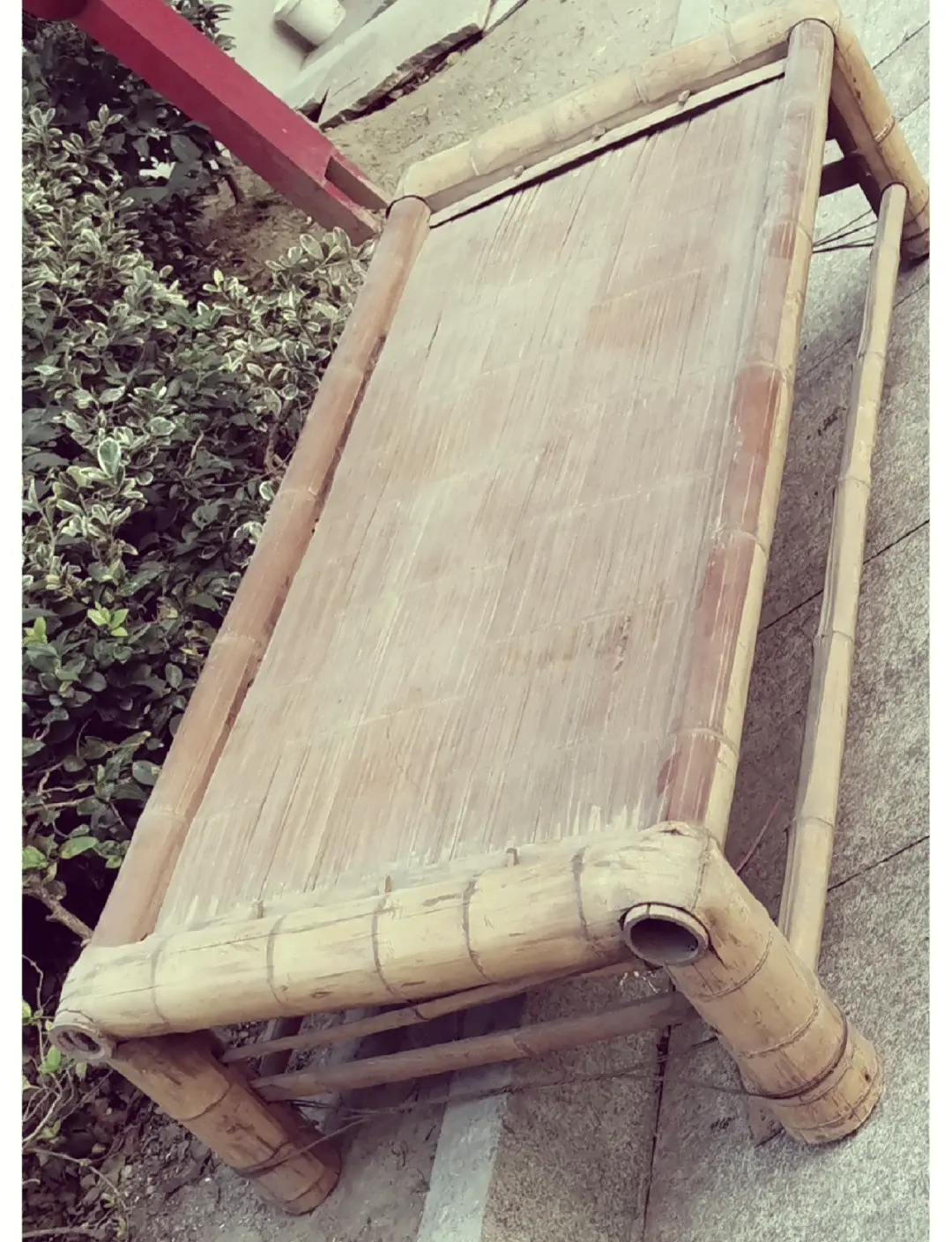
The bamboo bed: Wuhan’s answer to air conditioning, before air conditioning existed.
How the heat shapes the city
The heat gets into everything in Wuhan: the food, the schedule, the architecture, the personality.
The food is spicy and salty, and there’s a reason. Heavy seasoning makes you sweat. Sweating cools you down. The body craves spice in hot climates; it’s the same logic behind Sichuan hotpot and Thai curries. When the temperature hits 38°C, a bowl of hot dry noodles with extra chili oil will make you sweat through your shirt, and for ten minutes after, you’ll actually feel cooler.
The city still sleeps at noon, at least partially. In the old days, everything shut down between noon and 3:00 PM. Shops closed. Offices went quiet. People went home or found shade. The tradition is fading (modern Wuhan runs on a normal business schedule) but small shops and street vendors still close at noon. I’ve walked down commercial streets in July at 1:00 PM and found every shop shuttered, the metal doors pulled down, the owners inside napping.
The night markets exist because of the heat. Eating hot food indoors at 7:00 PM when it’s still 37°C is punishing. Eating hot food outdoors, at a table on the street, with a beer and a breeze, is bearable. The night markets are a heat adaptation disguised as food culture. And then there’s crayfish season, which turns the entire city into an outdoor dining room from May to September.
And Wuhan people are loud. Part of this is the merchant culture: Hankou was a trading port, and traders need to be heard. But part of it is the heat. When you’re hot, you’re irritable, and when you’re irritable, you shout.
How locals survive
If you visit Wuhan in summer, you’ll notice that the locals have strategies. Eighteen summers here, and I’ve adopted most of them.
Mung bean soup (绿豆汤). Every household makes it. You boil mung beans with sugar and water, chill it in the fridge, and drink it cold. It’s not just a drink: it’s considered cooling in the traditional Chinese medical sense. Every convenience store sells it in summer, and every noodle stall has a pot of it. I used to think it was superstition. Now I drink three glasses a day in July and I don’t care if it’s placebo.
Cold noodles (凉面). Wuhan’s breakfast culture is built around hot food: hot dry noodles, hot dumpling soup, hot soy milk. But in summer, the stalls switch. Cold noodles with sesame sauce, shredded cucumber, and chili oil. Cold soy milk. Cold rice wine. The aunties at the stalls know. When the temperature hits 38°C, the menu changes.
The river at sunset. Every evening in summer, thousands of people walk to the Yangtze riverbank to catch the breeze. The river is cooler than the city. The air moves, and families bring folding stools. Old men fish. Kids run into the water. The riverside promenade from Hankou to the Bund is packed until 11:00 PM. It’s the modern version of the bamboo bed culture: the heat drives people to the water, and the water gives them what their apartments can’t.
Malls as air-conditioned public spaces. Wuhan’s shopping malls are packed in summer, but not all the shoppers are buying. People sit in the food courts for hours, and kids do homework on the benches. Old people read newspapers. The malls function as free public cooling centers. I’ve spent entire Saturday afternoons in the Wusheng Road mall, not shopping, just existing in 22°C air.
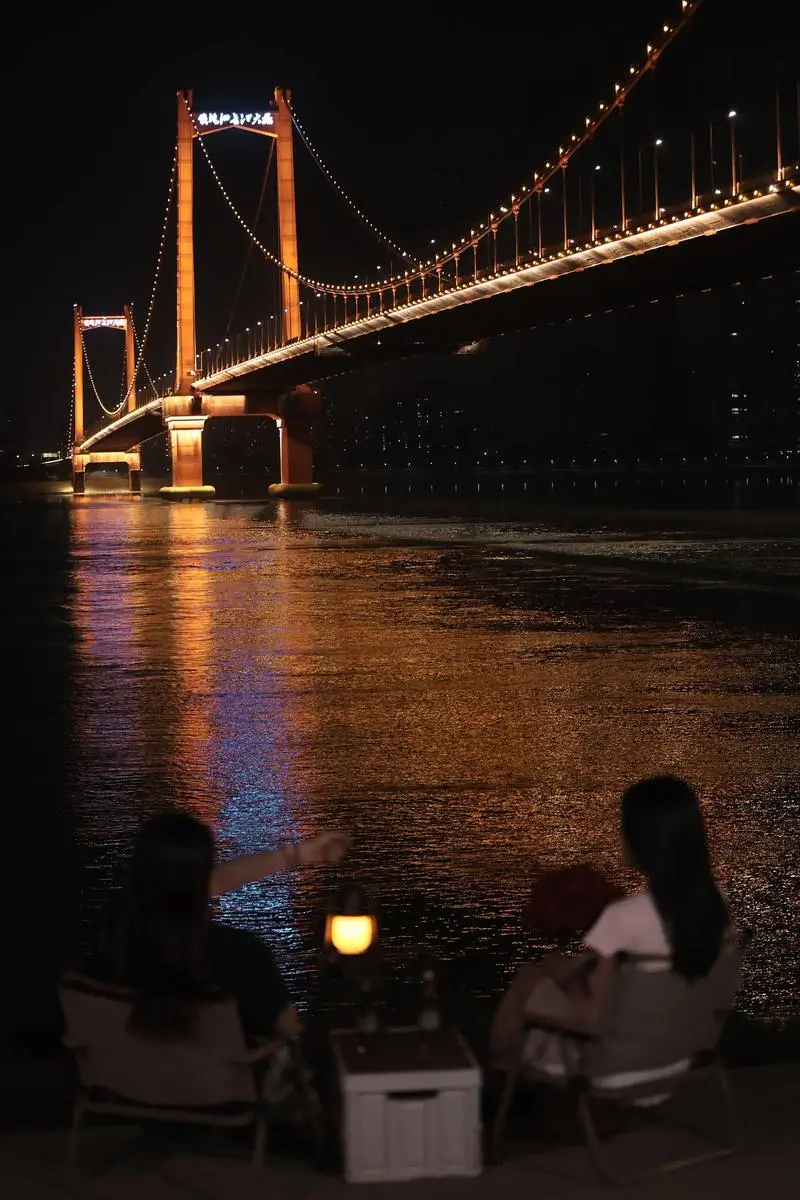
The river at dusk: Wuhan’s original air conditioning.
The summer experience for visitors
If you’re planning a trip to Wuhan and checking the best time to visit, the answer is: not summer. April, May, October, November. Those are the months when the weather is kind and the city is at its best.
But if you’re here in summer (maybe for work, maybe because you didn’t know better), you’ll need a few strategies.
Get up at dawn. The temperature is lowest between 5:00 AM and 8:00 AM. This is when locals walk, exercise, and cycle around East Lake or stroll the riverside parks. By 10:00 AM, it’s already 35°C. By noon, it’s 39°C. The window for outdoor activity is three hours.
Indoor activities from 11:00 to 4:00: The Hubei Provincial Museum is air-conditioned and takes 3-4 hours. The Yellow Crane Tower has AC inside the tower structure. Shopping malls, movie theaters, any underground space: all cooler than the surface.
Eat at night. The breakfast stalls are still open early, but the real food culture in summer happens after sunset. Night markets, beer streets, riverside food stalls. The heat makes the evening meals feel more communal: everyone is outside, everyone is sweating, everyone is sharing cold beer and hot food.
Drink more water than you think you need. The humidity makes you sweat profusely but the sweat doesn’t evaporate, so you don’t realize how much water you’re losing. I’ve had heat exhaustion twice in Wuhan. Both times, I didn’t feel particularly thirsty. Your body is losing water, but the humidity tricks your senses. Drink water constantly. Carry a bottle. Add salt if you’re sweating heavily.
Wear cotton or linen. Not polyester. Not anything “moisture-wicking”: those fabrics are designed for dry heat where sweat evaporates. In Wuhan’s humidity, nothing evaporates. Cotton and linen breathe. Synthetic fabrics trap the moisture against your skin and make you feel like you’re wearing a plastic bag.
Why summer is worth it
I complained about the heat for the first five years I lived here. I cursed the city every July. I told anyone who would listen that Wuhan in summer was uninhabitable. And then, slowly, I started to understand something.
The heat strips away pretension. Nobody is trying to look good in 40°C heat. The city is reduced to its essentials: food, water, shade, sleep. The prettiest parts of Wuhan (the European architecture on the Bund, the cherry blossoms at Wuhan University) are for spring and autumn. Summer is for the river, the night markets, the cold beer, the iced mung bean soup, the conversation that happens at 11:00 PM on a sidewalk because it’s finally cool enough to sit outside.
The heat also makes you appreciate the rest of the year more. When September arrives and the temperature drops below 30°C for the first time in four months, the city feels reborn. People walk slower, they smile more, and the air feels clean. The first cool evening in September, after a summer of suffering, is one of the best feelings I know.
I’ve been here 18 years and I’ve stopped complaining about the heat. Not because it’s gotten better: it hasn’t. But because I’ve come to see it as part of the deal. Wuhan gave me a life, a wife, a city to belong to; the price is four months of furnace heat every year. I pay it.
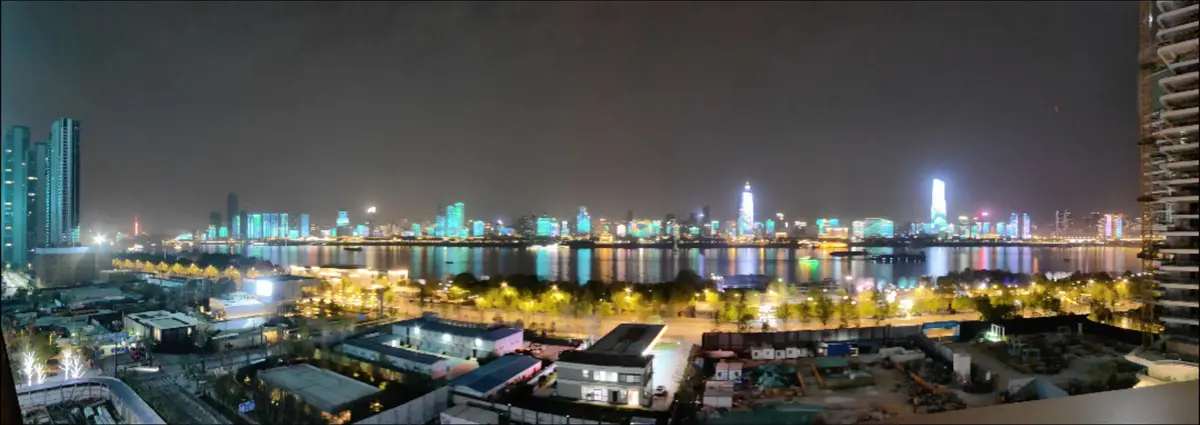
August, 8:00 PM. The temperature has dropped to 36°C. The city wakes up.
The heat is one face of Wuhan’s climate. Read more: when to visit Wuhan, the river that shapes the weather, and the 166 lakes that make it worse.
Related:
-
Best Time to Visit Wuhan: A Season-by-Season Guide: why summer is not the answer
-
The River Is the City: Wuhan’s Yangtze Culture: the river that both causes and relieves the heat
-
Wuhan’s Night Markets: After Dark: heat adaptation as food culture
-
Wuhan’s Crayfish Summer: The Social Ritual: the summer food that takes over the city
-
East Lake: Wuhan’s Green Heart: the best place to escape 40°C
-
Wuhan Bars and Craft Beer: Where the City Drinks After Dark: summer nights are the only nights that matter
-
Hot Dry Noodles: Ultimate Guide: why eating hot food in hot weather actually works
-
Why Wuhan’s Retirees Own This City: dawn and dusk are when the parks come alive