
You have eaten at Chinese restaurants. You have not eaten at a Chinese restaurant.
The difference is not the food, and it is not subtle either. It is that a table here is not a collection of individual meals sharing a surface. It is one shared thing that everyone eats from with chopsticks, and the rules that run it are close to the opposite of what a Western table assumes in about four specific places.
None of them are hard. All of them are invisible until someone tells you, and three of them will happen to you inside the first ten minutes.
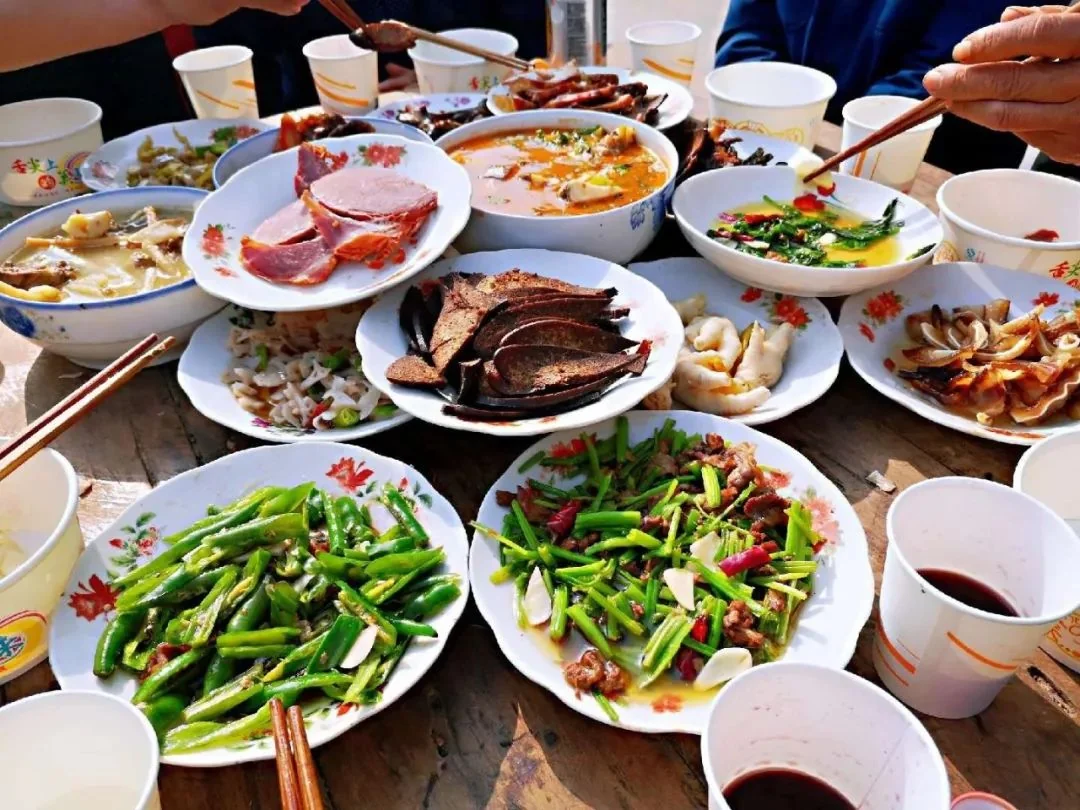
The table is one dish, not four
This is the whole thing and everything else follows from it.
You do not order for yourself. There is no plate in front of you that will arrive with only your food on it. You order for the table, everyone eats from every dish, and the round turntable in the middle, 转盘 zhuǎn pán, is the mechanism that makes it work. It turns, you take what you want, it turns again.
The consequences are what catch people out.
There is no such thing as your dish. If you order 鱼香肉丝 and three other people also ordered things, you will eat roughly a quarter of the 鱼香肉丝 and it will be gone, and that is the system working correctly rather than someone being rude. This is why the hot dry noodles guide is about a single bowl and not a table.
You take from the shared plate onto your own rice bowl or small plate, not directly into your mouth from the serving dish. You do not dig through the serving dish looking for the good pieces, and you do not eat from the far side. Locals enforce those rules socially.
The turntable turns, and it does not stop for you. If you want something, take it when it passes. Waiting means someone else takes it.
And you do not need to order rice for everyone. It comes at the end, it is often free or nearly free, and refusal is normal.
The tea is not for drinking
This is the one that produces the most confusion, and it is worth getting right because there are two completely different practices that both look like pouring out tea.
In an ordinary restaurant, the tea or hot water on your table is for rinsing your cup and chopsticks. You pour a little over them, you empty it into the bowl or the tray, and then the cup is ready. People who do not know this drink it, which is why the bowl sitting there is so confusing, and the visible result is a table where some people are sipping and some are washing.
At a Gongfu tea session, the first brew is sometimes poured out, and for a different reason. That is 醒茶, waking the tea, and it is done to open up leaves that have been compressed or stored, so pu-erh, pressed cakes, aged teas and some roasted oolongs. It is a brewing step, not a hygiene step, and it only applies to certain teas. Fresh green tea, delicate white tea and many fragrant light oolongs are generally better brewed directly, because discarding the first infusion costs you the aroma.
So: restaurant, rinse the cup. Tea session, it depends on the leaf. If you are in a place with a full tea set and a 茶海 fairness cup, you are in the second situation, and if you are in a place where someone put a pot and a bowl down and walked away, you are in the first.
Rice is not the main event and it comes last
In a Western restaurant, the carb is the plate. In a Chinese one, the dishes are the plate and the rice is the thing you use to fill the gap, which is why a bowl arrives near the end of the meal, or not at all, or is simply there from the start.
Rice may be free. Many places bring a basin and charge nothing, or charge one or two yuan a bowl. Some places charge properly. If nobody ordered it and it appears, it is probably free. If you want to know, 米饭多少钱, how much is the rice, is a normal question that gets a normal answer.
You do not have to eat it. Locals often leave rice mostly untouched, particularly at dinner, and this is not a comment on your health. If you are trying to reduce carbs, this is the easiest dining system in the world, because the dishes are vegetables and protein and the rice is optional infrastructure. Wuhan eats four times a day and only one of those meals is noodle-heavy enough for the rice to be mandatory.
开水, boiled water, is free and always available, and the survival language guide I have already written covers the phrases that get you through a meal.
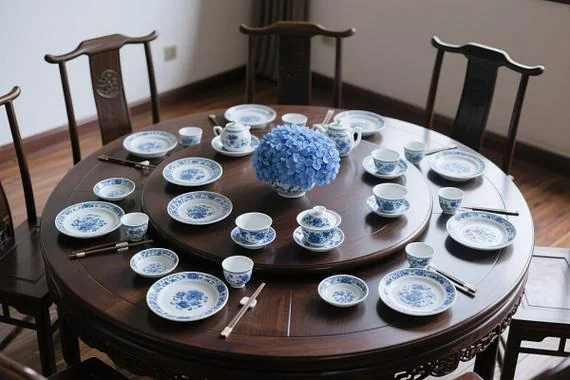
Dishes arrive when they are ready, not in courses
There is no starter then main. The waiter does not care about a sequence. Dishes come out of the kitchen in the order the kitchen finishes them, which is not the order you listed them, and the table has to handle three plates landing at once and then nothing for eight minutes.
Chinese kitchens do have an intended order, and it runs: cold dishes, then the meat and mains, then vegetables, then soup, then the staple. Cold dishes, 凉菜, come fastest because they are already made. Soup is usually later than a Western table expects. Rice is last.
If you want the soup earlier, say 汤先上, soup first. It sometimes works.
The other half of the question is how much to order. There is no exact rule and the common heuristic is roughly one dish per person plus one, adjusted for appetite and for how many people want the rice to be the point rather than the supporting cast. Ordering short is recoverable, ordering long is not, because a table full of untouched dishes in China is a visible waste rather than an abundance, and this is not fussiness, it is a norm that has been actively campaigned about for over a decade.
Add dishes as you go. 加菜, add a dish, mid-meal, is completely normal and nobody looks at you strangely for it. The same goes for asking what is in something, which is a different kind of question and one I have written about at length in the halal guide.
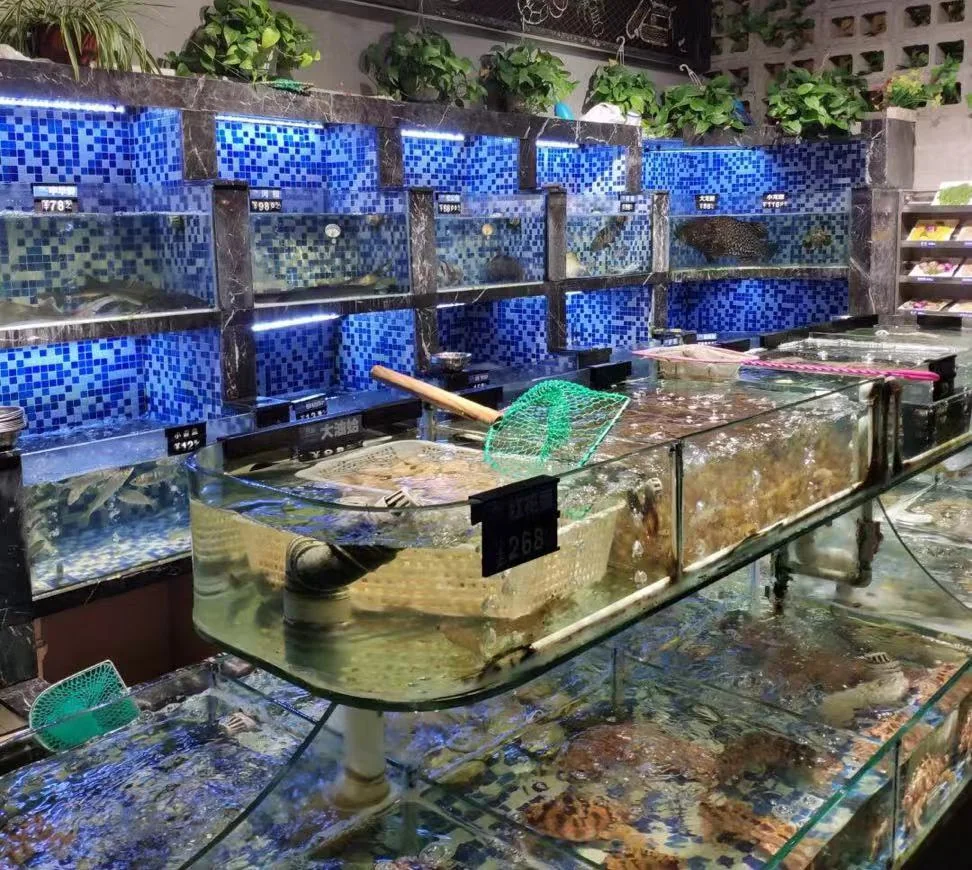
点杀 and the tank
Seafood restaurants in China often work from a live tank, and 点杀 diǎn shā is the term for choosing the animal yourself. You look at the tank, you point, the waiter scoops it out, you nod at the size or decide you wanted a different one, and you pay for what came out of the water rather than for a description on a menu.
This is the opposite of how a Western seafood restaurant works, where the item is priced by portion and described in grams. Here the price is quoted per 斤 jīn, which is half a kilo, and the quoted price is the price per jin, not the price of the fish.
The failure mode is specific. You point at the crab, the waiter says it is 88, you say fine, you have just agreed to 88 per jin and a crab of that size is two and a half jin, and the dish is 220. The number you heard was not the bill.
Ask for the weight before agreeing. 多少斤, how many jin, and then you can do the arithmetic, because half a kilogram is about 1.1 pounds and that is the whole conversion.
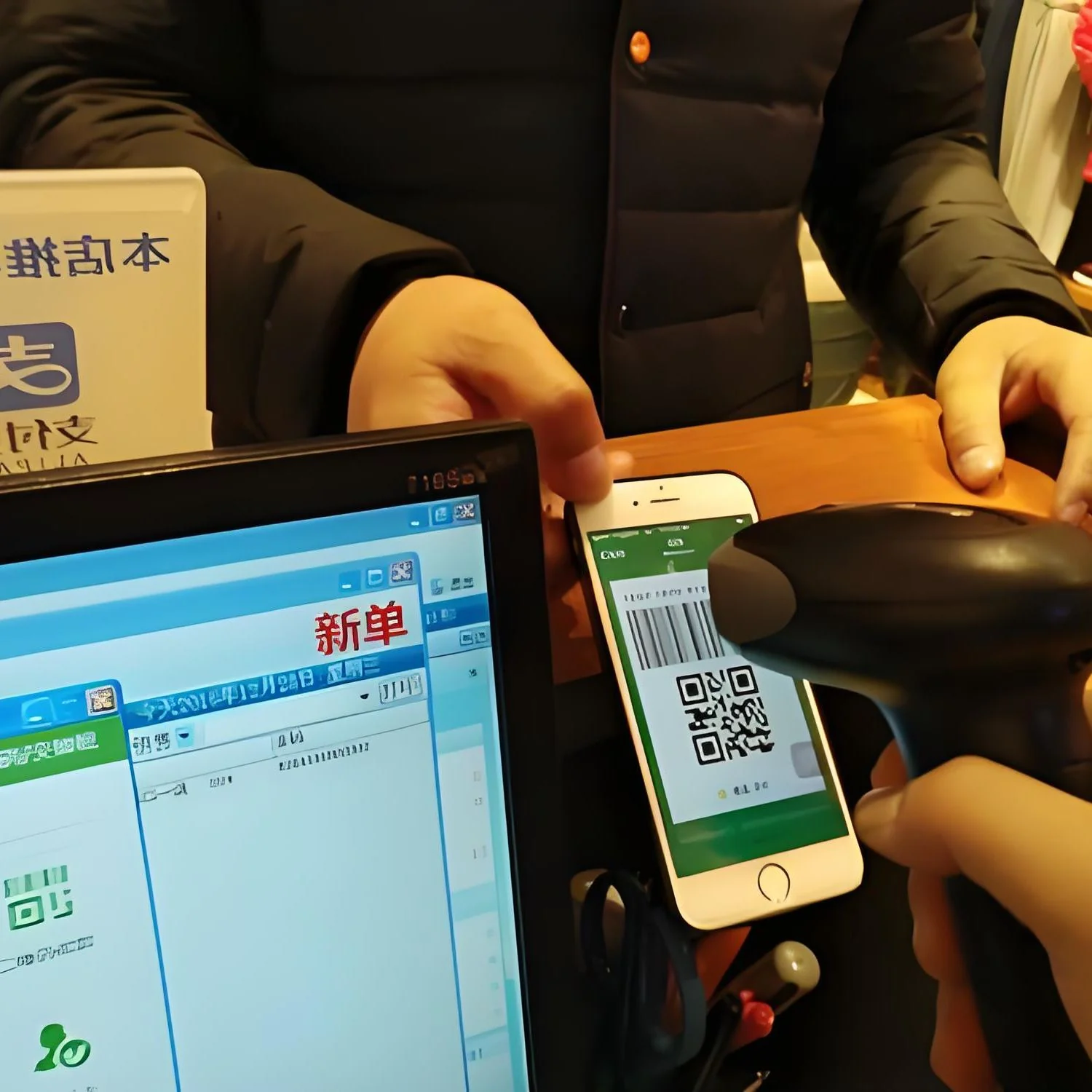
The bill, and the things that surprise you about it
买单, mǎi dān, check please. You say it, you wave, and it arrives almost immediately. Chinese restaurants do not pace you. You are not expected to leave, but you are not being made to wait either, and a table that has been sitting for two hours paying for nothing is not considered a problem. In some places, particularly small ones, you walk to the front and settle before leaving rather than waiting for a card machine to travel to you.
There is no tipping. This is not a place where it is optional and courteous, it is simply not part of the exchange, and the owner will not chase you thinking they undercharged. Leaving cash on the table produces confusion rather than gratitude.
Things that are not what you assumed, in order of how much surprise they cause:
| 纸巾 | Face tissues often 2 to 3 yuan, and you are charged for them. If you brought tissues, use yours |
| 米饭 | Free, cheap, or charged, all three exist. Ask |
| 包间最低消费 | A private room may require a minimum spend, and the number is often not on the door |
| 开水 vs 茶 | Boiled water is free. Ordering tea may not be |
| 打包 | Takeaway boxes are normal and free or nearly so, and taking home what you did not finish is considered correct rather than embarrassing |
That last one is worth dwelling on. 打包 dǎ bāo is not a shameful request made after a large meal, it is the default for anything left, and there have been public campaigns in China about not wasting food for over a decade. Asking for a box is a sign you paid attention, not a sign you were defeated by the portion.
The Honest Summary
A Chinese table is one dish eaten by four people, and the turntable is not decoration, it is the whole mechanism. You order for the table, you eat from shared plates onto your own bowl, and you take things when the turntable brings them past.
The tea on the table at the start is for rinsing your cup, unless you are at a Gongfu tea session, where the first brew may be discarded to wake the leaves and only for teas that need it.
The rice comes last, may be free, and is not the point. The dishes come out whenever the kitchen finishes them rather than in courses. The seafood tank quotes per jin and not per fish, so ask the weight before you nod.
The bill arrives instantly, nobody wants a tip, and asking for what you did not finish to be boxed is the correct thing to do rather than the timid thing.
None of that is etiquette in the sense of being fussy. It is just how the machine works, and once you know the machine you can stop reading the room and start eating.