
The first thing that happens to a woman travelling alone in Wuhan is usually nothing at all, and that is not the point.
The point is that you will be looked at. A lot. Before anything else happens to you, you will be stared at, whispered about, and photographed without being asked. Most women are not prepared for that, and it is the part that makes them decide they are unsafe when they are not.
Wuhan is not a city that foreigners pass through in large numbers. That single fact cuts in two opposite directions, and both of them matter to you.
Why you will be looked at more here than in Beijing
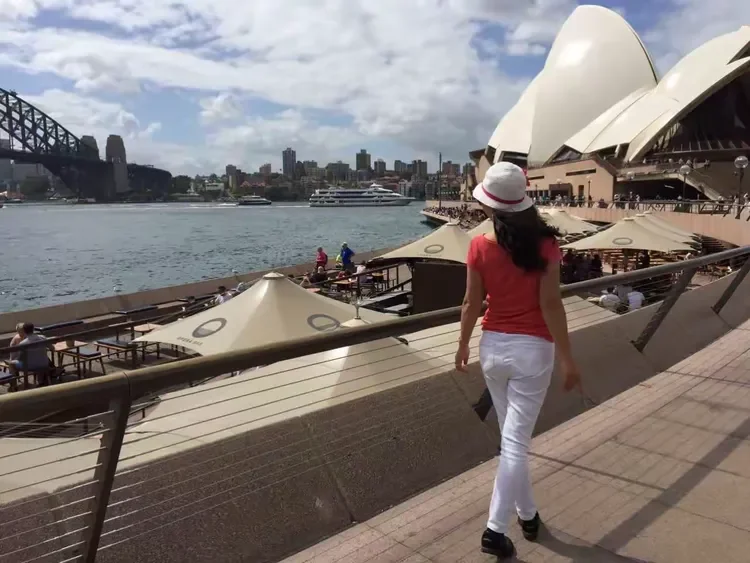
Foreigners in China report being stared at and photographed consistently, and the reports describe it as fascination rather than hostility. People stop, point, take pictures, and sometimes turn around to watch you walk past. Visitors have written about it as feeling like being a celebrity, and some also write about the part that is harder to shake, which is photographs taken without anyone asking.
The counterintuitive part is that this is worse in places with less foreign footfall, not better. In Beijing and Shanghai a foreign face on the street is unremarkable. In a city that does not have that volume of visitors, you are genuinely more of a novelty, and Wuhan sits on that side of the line. If you have spent time in the tier one cities and expect Wuhan to feel similar, that is the thing that will catch you out.
So the honest framing is this. You are a curiosity here before you are anything else, and that produces behaviour that is intrusive and legal and almost always harmless. It is not a threat signal. The people taking the picture are not tracking you, they are telling someone at home they saw a foreigner.
What actually helps is smaller than you think. Wearing headphones makes you look less available and makes the approach less likely. Walking as though you know where you are going suppresses most of it, because hesitation is what invites people over to offer directions. A flat 不用了, thank you, given without a smile and without stopping, ends it at once. Persistent engagement with someone who has clearly declined is fairly rare under Chinese social norms, so a refusal usually lands.
The one real con, and it has a shape
The scam worth knowing about in China is the teahouse scam, and it is well documented in the major tourist cities.
The shape is consistent. A stranger, often a young person who says they are a student, or a couple, approaches you and starts a conversation. Sometimes they claim to want to practise their English. After a while they suggest going somewhere for tea, and describe it as a tea ceremony, which sounds like a cultural experience rather than a commercial transaction. Inside, you are served tea, sometimes with a performance attached, sometimes with snacks, and you are then presented with a bill that is enormous, sometimes running into hundreds of dollars. There is a pressure component. Some accounts describe being blocked from leaving until they pay.
The reason this matters to you specifically is the approach. The people who run it are not looking for a man walking with a group. They are looking for someone alone who is willing to be talked into doing something, and a woman travelling solo who has just said yes to one friendly conversation is a much better mark than a tourist with a hotel card and a plan.
The defence is one sentence and it is not subtle. Do not go anywhere with someone who approached you. Not a teahouse, not a bar, not a gallery around the corner, not a five minute walk to see something. If you want a tea ceremony, book one, and the way to book one is through a venue with a price list you can see before you sit down. A real invitation from someone you met through a hostel common room or a language exchange is a different thing entirely, and if you want to say yes to one of those, go somewhere they do not choose.
Hotels and hostels in Wuhan know about this. If someone has just invited you somewhere, tell the desk. It takes them ten seconds to tell you whether that address is a scam and it costs you nothing.
The boring risks, which are the ones that actually happen
Violent crime against tourists in Wuhan is not the thing that ruins a trip. I have covered the general picture, including traffic and medical care, in my guide to whether Wuhan is safe, and this post is the part that is specific to travelling alone. The things that ruin trips are ordinary and they apply to everyone, which is worth knowing because it means you can prepare for them with a list.
Pockets on crowded transit. Pickpocketing concentrates where people are packed, which on the Wuhan metro means platform edges, car doorways and escalator mouths, and the standard technique is a lift-and-walk rather than a confrontation. The version that gets people is a bag with an open or stretched zipper, and the version that gets people specifically is headphones, because a tug on a headphone cable brings the phone out of a chest pocket. Keep the phone in a front pocket and take the headphones out on the platform, and the rest of the route is in my guide to the Wuhan metro.
A driver taking the long way. Taxis in Wuhan have meters and most use them. The minority who do not are doing it to tourists, so use the meter, and use a ride hailing app on a busy route where you can see the price before you get in. If a driver tells you the meter is broken, that is the moment to open the door, not the moment to negotiate.
A bill you did not agree to. Order from a menu with numbers. If a place has no prices written anywhere and no menu, walk out, because the absence of a price list is itself a signal.
None of these are gendered. They are just the list, and knowing the list is worth more than knowing a crime rate, particularly because the crime rate is a number someone else computed and the list is a thing you can actually do.
The thing that is genuinely different if you are a woman
There is one social pressure that runs along gender lines and it is worth naming because it is entirely ordinary here and it is the part that catches foreign women out, and it has nothing to do with scams.
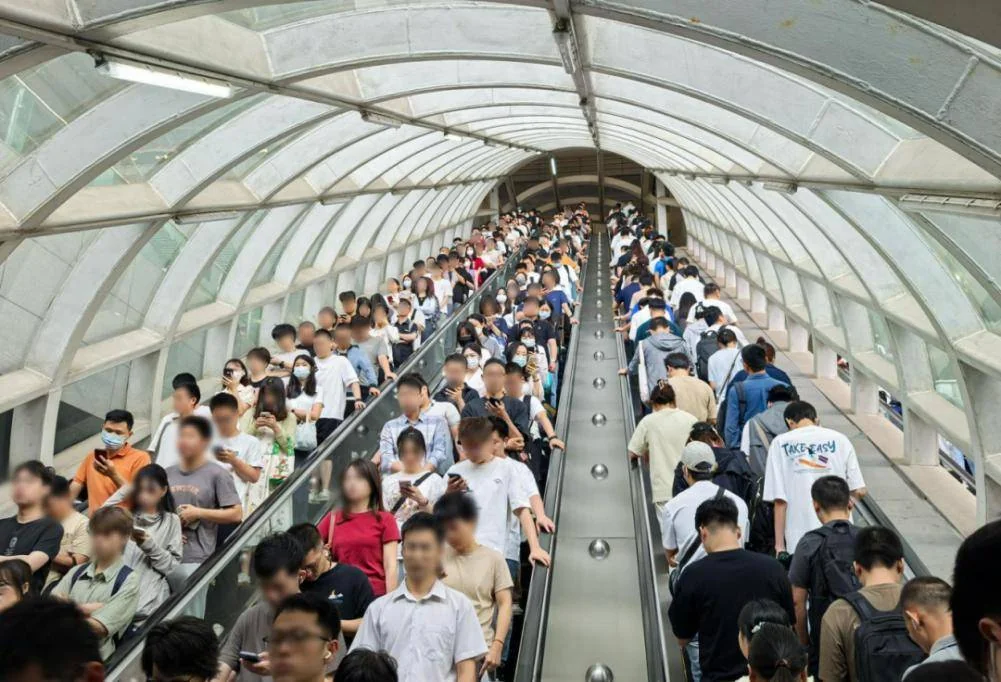
Chinese dining runs on toasting, and refusing a drink in a group setting can attract real pressure. There is a whole category of domestic advice about how to decline a toast gracefully, which tells you how normal the pressure is, and I have written about what that culture actually is in my guide to drinking culture in Wuhan. Some of it is warmth. Some of it is a mild test. It is rarely hostile.
The useful thing is that the scripts people use to decline are shared, which means there is a way to do it that is not socially catastrophic.
我不喝酒, I do not drink, is the plain refusal and works.
我开车来的, I am driving, ends it cleanly, because drink driving is a hard line here in a way it makes the argument for you.
我身体不舒服,不能喝, my body is not well and I cannot drink, is the one that shuts it down without an argument, because pushing someone who has said that is considered rude.
None of these require you to explain yourself, and none of them require you to drink. A related note that is worth having in advance: if you are eating with a group, the pressure to drink will be aimed at whoever is perceived as the guest of honour, and as a foreign woman alone at a table you may well be that person. Deciding in advance that you are going to hold a tea cup all evening rather than a beer glass removes most of it, because the glass in your hand is doing the negotiating.
What to do at night
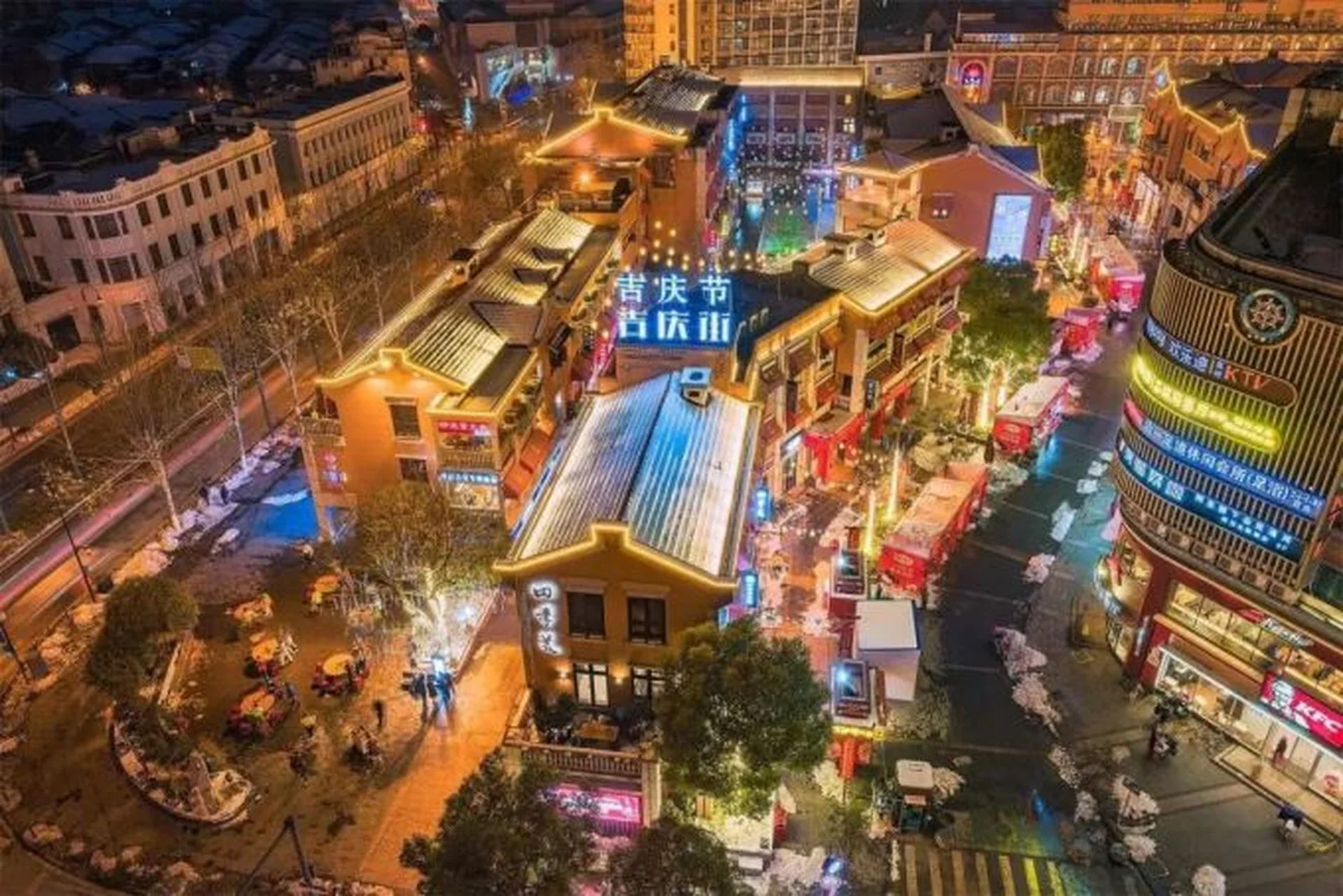
Wuhan at night is crowded in the places that are actually interesting. The food streets, the riverfront, the metro after work, these are busy, well lit, and full of people. That is not reassurance for its own sake, it is the reason the standard advice works, and I have covered what is actually open late in my guide to Wuhan’s night markets. Going back to a hostel at nine in the evening is a different proposition here than in a city that empties out.
One exception worth knowing, because it reverses the usual advice. 户部巷 empties out after dark rather than filling up. The day stalls close at about 8:00 PM and the tour groups leave, and what replaces them is a smaller, quieter set of night vendors. It is better than the daytime version and it is the one stretch on this list I would not treat as a busy street.
The actual night-time precautions are the boring ones. Take a taxi rather than walking a route you did not check. Do not accept a lift from someone who was drinking, including someone you met at a bar that evening, because a lift offered by someone who has been drinking is the risk you control yourself. Tell someone where you are if you are going somewhere isolated, which for Wuhan means the reservoir roads and the river paths rather than the streets.
The honest summary
The thing that will actually define your trip is not danger, it is attention. Wuhan does not see enough foreign visitors for you to be invisible, and a woman travelling alone will be looked at far more than she expects. People will photograph you without asking. That is what this city does and it is not directed at you personally.
The genuine risks are a bill for tea you did not order, a phone out of a pocket on a crowded platform, and a driver who decided to take the long way. All three are ordinary, all three are avoidable with a plan you can write down before you fly, and none of them require you to be afraid.
The one place where being a woman changes the calculation is a dinner table, where refusing a drink takes more than saying no, and where the words that work are 我不喝酒, 我开车来的 and 我身体不舒服,不能喝.
And the number to have, which is the same everywhere in China, is 110 for police.
That is the whole picture. It is less dramatic than the guidebooks and it is also more useful, because it means you can spend your attention on the food instead of on the back of your neck.