
The short answer
Wuhan is safe. Safer than most cities its size anywhere in the world. I’ve lived here 18 years. My wife walks home alone at midnight. I’ve left my phone on a park bench and found it still there an hour later. My neighbor’s front door is often unlocked during the day. Violent crime against foreigners is extremely rare.
But “safe” in China means something different from “safe” in Tokyo or Zurich, and the risks here aren’t the ones you’re used to worrying about. Nobody is going to mug you in an alley. The things that can actually hurt you are: traffic, food that your stomach isn’t ready for, the occasional scam targeting foreigners, and the general chaos of a city of 14 million people that moves fast and doesn’t slow down for you.
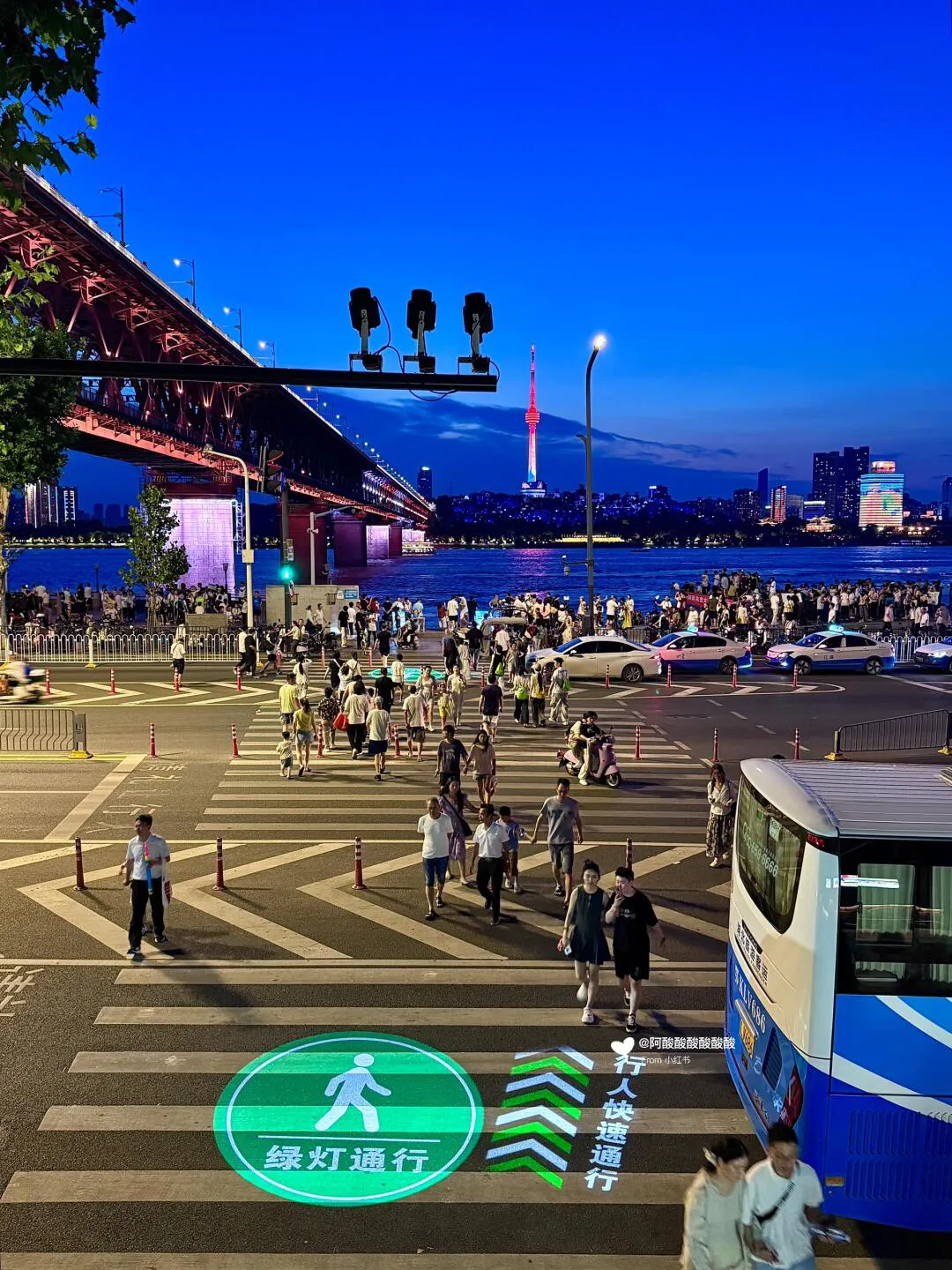
Wuhan at 10 PM. Families walking home, shops still open, no one looking over their shoulder.
This guide starts with the thing most likely to actually hurt you and works down from there.
Traffic: the actual danger
If anything bad happens to you in Wuhan, it will probably involve a vehicle.
China has the highest traffic fatality rate of any major economy. Wuhan, as a megacity with 3 million vehicles, wide roads, and a driving culture that can charitably be described as “assertive,” is part of that statistic. The elevated highways are engineering marvels, but the street-level traffic is chaos.
Here’s what you need to know:
E-bikes are everywhere and they don’t follow rules. Wuhan has an estimated 3 million electric scooters. They ride on the wrong side of the road, run red lights, weave through pedestrians at crosswalks, and appear silently from behind you. You cannot hear them coming. The motors are quiet. I’ve been hit twice, both times at crosswalks where I had the right of way. Neither time was serious, but both times was the scooter’s fault.
Pedestrians do not have right of way. The green walk signal at an intersection means you can walk. It does not mean cars will stop for you. Right-turning vehicles are the worst. They turn into the crosswalk while the walk signal is green, and they expect you to get out of the way. You will see locals walking into traffic with their hands raised, palm out, like they’re directing traffic. They are. It’s the only way to cross.
Taxis are aggressive. Wuhan taxi drivers are in a hurry. They change lanes without signaling, brake hard, and squeeze through gaps that don’t look wide enough. They’re professional drivers, so they rarely crash. But as a passenger, the experience can be terrifying, and seat belts are available in the back seat. Use them. Most locals don’t, which is stupid.
The metro is the safest option: The Wuhan metro is clean, modern, and safe, with glass doors on the platforms and automated trains. Crime on the metro is almost nonexistent. If you’re nervous about traffic, use the metro for everything. It goes everywhere you need.
DiDi (Chinese Uber) is safer than taxis: drivers are tracked, rated, and licensed, and the app records the trip. If something goes wrong, there’s a record, so use DiDi through Alipay or WeChat. It has an English interface.
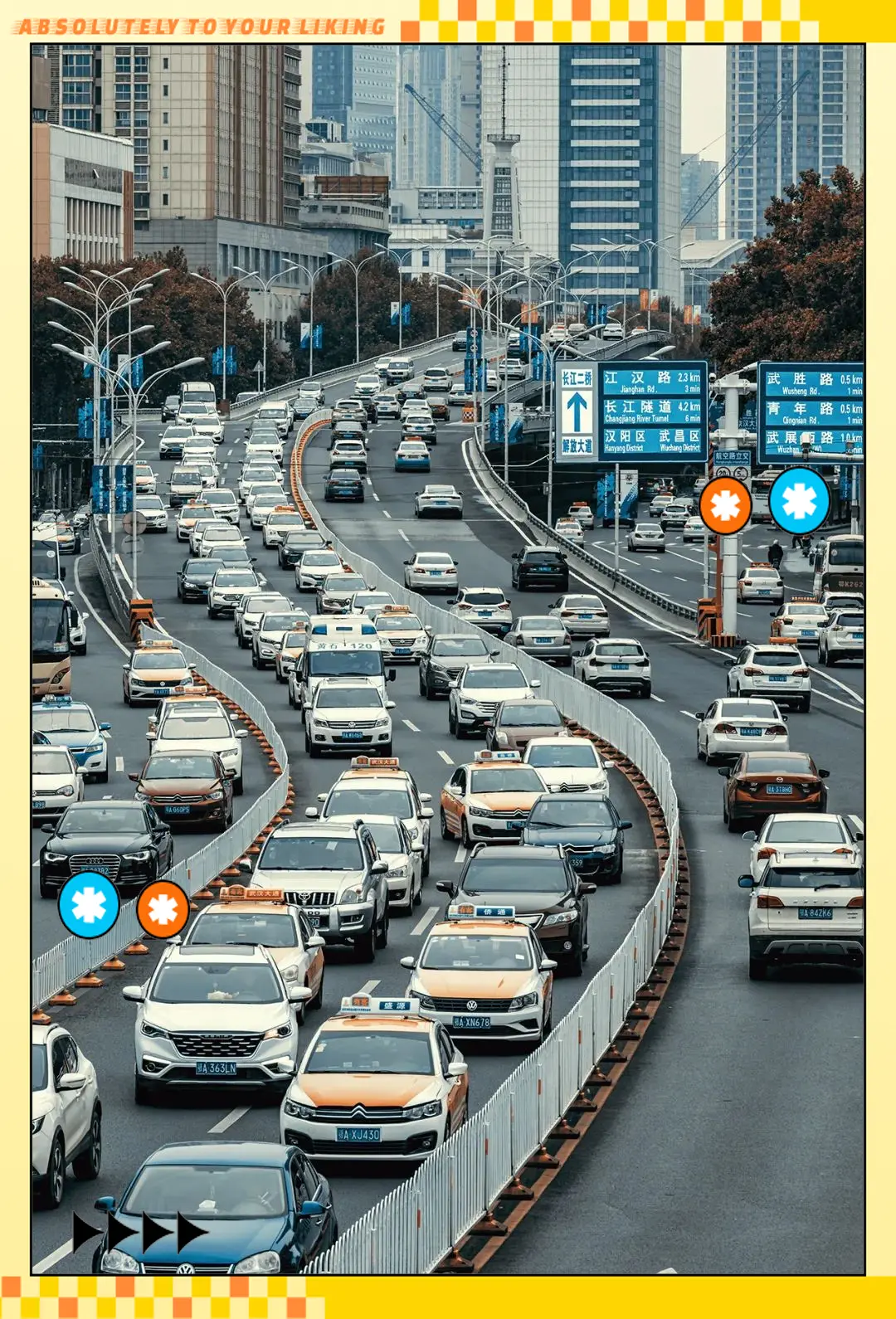
The actual danger: e-bikes, taxis, and 3 million vehicles moving fast. The metro is the safe option.
Food safety: what your stomach needs to know
Wuhan’s street food is one of the best reasons to visit. It can also be one of the worst things that happens to your digestion.
Let me be clear: the food is not dirty. The stalls cook at high heat, use fresh ingredients daily, and have high turnover. The oil is hot enough to kill anything. You’re more likely to get sick from the spice level than from bacteria.
But there are real risks:
Tap water. Do not drink tap water in Wuhan. Not from the faucet, not from a fountain, not from a hose. The water is treated but the pipes in many buildings, especially older ones, are old. Boiled water is fine. Bottled water is fine. Every convenience store sells bottled water for 2 yuan. Every restaurant provides boiled water for free, so there is no reason to drink tap water.
Ice. Most restaurants use commercially produced ice. It’s safe. Street stalls may use ice made from tap water. If you’re at a high-end restaurant, don’t worry. If you’re at a street stall drinking cold soy milk from a plastic bag, the ice is a gamble. I drink it. You might not want to.
Spice. Wuhan food is not as spicy as Sichuan food, but it’s spicier than what most Western stomachs are used to. The chili oil on hot dry noodles, the Sichuan peppercorn on grilled skewers, the crayfish broth. If you’re not used to it, start mild. Say “微辣” (wēi là, mild spice) when ordering. Your stomach will thank you. Trying to be a hero on day one is how people spend day two in the bathroom.
Street stalls vs. restaurants. The food at street stalls is generally safe. The risk is lower than you think because turnover is high. A stall that serves 300 bowls a day isn’t keeping old ingredients around. But if a stall looks empty and the food has been sitting in a warm vat for hours, skip it. Busy stalls are safe stalls. I eat at street stalls 300 mornings a year. I’ve been sick twice. Both times from restaurants, not stalls.
Scams: the three you’ll encounter
Wuhan is not a scam city in the way that some Southeast Asian tourist destinations are. The scams here are mild and avoidable. But foreigners are targeted, because foreigners are assumed to have money and not know the rules.
1. The tea house scam
This is the classic. A friendly person, often a young woman or an older man, approaches you on the street or in a tourist area. They speak some English and are curious about where you’re from. They suggest getting tea together, so you go to a teahouse. They order. The bill comes. It’s 2,000 yuan for tea that costs 50 yuan. You’re pressured to pay. Sometimes the teahouse has large men who “explain” the bill.
This scam targets foreigners almost exclusively. It happens near Yellow Crane Tower, on Jianghan Road, and around the Bund.
How to avoid it: Don’t go anywhere with a stranger who approaches you on the street. This is not a cultural thing. Chinese people don’t do this. Real locals don’t invite random foreigners to teahouses. If someone approaches you and speaks unusually good English, be suspicious. Walk away.
2. The taxi overcharge
Taxi drivers sometimes take the long route with foreigners, knowing you can’t tell the difference. Or they claim the meter is broken and quote a flat price that’s triple the normal fare.
How to avoid it: Use DiDi instead of taxis. DiDi shows the route and price upfront. If you must take a taxi, insist on the meter. Say “打表” (dǎ biǎo, use the meter). If the driver refuses, get out and find another taxi; there are plenty.
3. The “Help me practice English” approach
This one is borderline. Sometimes it’s genuine. A local person genuinely wants to practice English and approaches you. Sometimes it leads to a friendship. Sometimes it leads to a teahouse scam or a sales pitch for English tutoring, language exchanges, or “cultural events” that cost money.
How to tell the difference: Real language exchange happens in universities, libraries, or coffee shops. It doesn’t happen with strangers on the street who lead you to a specific location. If the conversation moves toward “let me take you to my friend’s shop” or “there’s an event you should see,” you’re being set up.
Police and your rights
Foreigners in China are required to carry their passport at all times. In practice, I’ve never been asked to show mine in 18 years. But the law is the law, and if police stop you, not having your passport makes things complicated.
Police stops of foreigners are rare in Wuhan. They happen more in Beijing and Shanghai. When they do happen, they’re usually routine: checking your registration at a hotel, or a random check during a security event. If you’re stopped:
Be polite. Chinese police are generally professional, and they’re not looking for trouble. Answer questions, show your passport, and you’ll be on your way in five minutes.
Don’t argue. Even if you think you’re right, arguing with Chinese police will not help you. Comply first, complain later. If there’s a real problem, call your embassy.
You have the right to an interpreter. If you’re taken to a police station for questioning (extremely unlikely for a tourist), you have the right to request an interpreter. Don’t sign anything you don’t understand.
Register your address. If you’re staying at a hotel, the hotel registers you automatically. If you’re staying with a friend, you’re supposed to register at the local police station within 24 hours. Most tourists don’t bother and most police don’t check. But technically, it’s required.
Medical care
Wuhan has decent medical care, but the system is different from what you might be used to.
For minor issues: Pharmacies (药店) are everywhere. Look for the green cross sign. They sell basic medications: cold medicine, painkillers, antacids, diarrhea medicine, bandages. Pharmacists can help with common issues, and no prescription is needed for most basic medications. Bring your own prescription medications from home. Chinese pharmacies may not carry the same brands.
For serious issues: The best hospital for foreigners is Tongji Hospital (同济医院) in Hankou. It has an international medical center with English-speaking doctors. Another option is Union Hospital (协和医院), also in Hankou, and both are top-tier Chinese hospitals with western-trained specialists.
For emergencies: Call 120 for an ambulance. The operator may not speak English. Have a Chinese person call for you if possible. Ambulance response time in Wuhan is 10-15 minutes in normal traffic, longer in rush hour.
Travel insurance: If you’re visiting from abroad, buy travel insurance that covers medical care in China. Hospital treatment is not free for foreigners, and serious treatment can be expensive. A friend of mine was hospitalized for a week with food poisoning and the bill was 8,000 yuan. Insurance covered it.
What won’t happen
Some things that foreigners worry about but shouldn’t:
Pickpocketing. It exists, but it’s rare. I’ve never been pickpocketed in Wuhan. The metro, tourist areas, and night markets are the places to be slightly more careful. Keep your phone in your front pocket, not your back pocket. Keep your bag zipped. That’s all the precaution you need.
Mugging. Essentially doesn’t happen. Wuhan is not a city where you get threatened with violence for your wallet. I’ve walked through every neighborhood in this city at every hour of the night. I’ve never felt physically threatened.
Terrorism. China has extensive security measures. Bag checks at metro stations, security cameras everywhere, police presence at major intersections. You’ll find this annoying when you’re in a hurry, but the security is also the reason the city is safe.
Anti-foreigner sentiment. Wuhan people are curious about foreigners, not hostile. You’ll get stares, especially outside the central districts, and people will want to practice English with you. Children will point. This is curiosity, not hostility. Wuhan had a brief period of anti-foreigner tension during the early COVID period in 2020, but that is long past. The city has moved on.
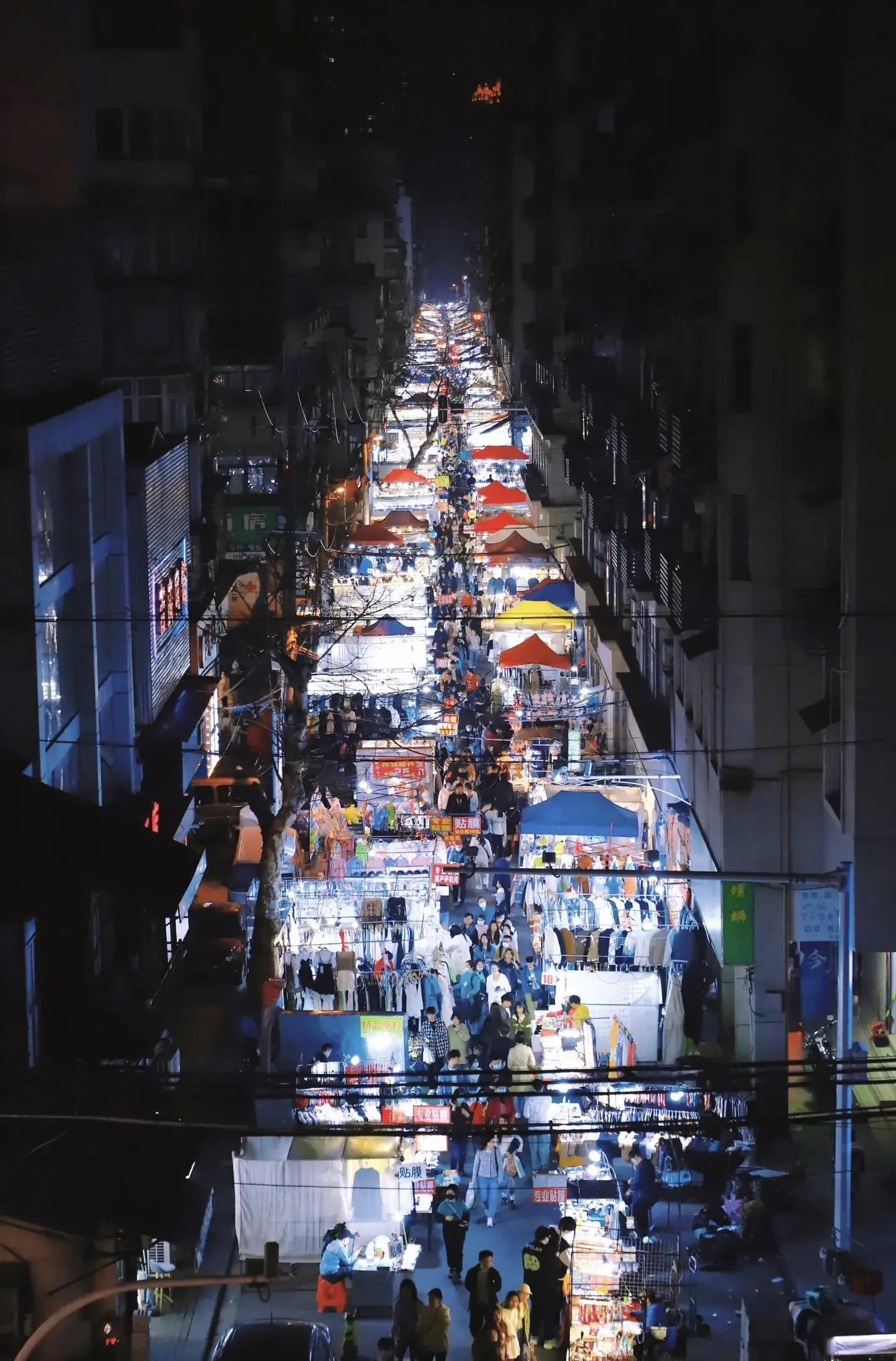
Night markets, sidewalk tables, cold beer. The city at night is where safety becomes visible: people just living their lives.
The real annoyances
Not dangers, but things that will make your life harder if you don’t prepare:
No Google, no WhatsApp, no Instagram: the Great Firewall blocks most Western apps. Download a VPN before you arrive. I repeat: before you arrive. You cannot download a VPN from inside China because the app stores are blocked. Astrill, ExpressVPN, and Let’s VPN are commonly used. None works perfectly, so expect intermittent connectivity.
Payment without Chinese apps. Alipay and WeChat Pay are essential. Cash works at some places but not all. Small stalls, taxi drivers, and some restaurants will refuse cash entirely. Set up Alipay with your foreign credit card before you arrive. WeChat Pay also accepts foreign cards now. Do this at home, not in Wuhan, because the setup process may require SMS verification to your home number.
Language barrier. English is not widely spoken in Wuhan, and this is not Shanghai or Beijing. Hotel staff at international hotels will speak English, restaurant menus will sometimes have English, and everyone else will not. Download a translation app (Google Translate or Baidu Translate). Learn the 40 survival phrases I wrote about. Pointing works at food stalls.
Heat. If you visit in summer, the 40°C heat is a genuine health risk, not just discomfort. Heat exhaustion is real. Drink more water than you think you need. Carry a bottle. Go indoors between 11 AM and 4 PM. I’ve had heat exhaustion twice. It’s not fun.
Women traveling alone
I’m not a woman, so I’ll be careful about what I claim. But my wife has lived in Wuhan her entire life, and I’ve talked to female expats and visitors about this.
Wuhan is generally safe for women traveling alone. The risks that exist in many cities: being followed, harassed, or assaulted, are less common here than in most Western cities of comparable size. Women walk alone at night. Women take the metro alone at midnight. Women eat alone at night markets.
The annoyances: staring, which is more common and more persistent than in Western cities. Catcalling is rare. Unwanted attention at bars happens, as it does everywhere. The beer-and-crayfish culture means drunk groups of men at sidewalk tables, but they’re generally loud, not aggressive.
If you’re a woman traveling alone, the standard precautions apply. Stay in well-lit areas at night. Use DiDi instead of walking alone after midnight, and sit in the back of taxis. The precautions are the same ones you’d take in any city. They just matter less here.
Practical safety checklist
| Item | What to Do |
|---|---|
| Passport | Carry it. Photocopy the photo page and visa, keep separately |
| VPN | Download and test before arrival |
| Alipay/WeChat Pay | Set up with foreign card before arrival |
| Travel insurance | Buy it. Medical care is not free for foreigners |
| Medications | Bring your own prescriptions. Chinese brands differ. |
| Emergency numbers | 110 (police), 120 (ambulance), 119 (fire) |
| Embassy contact | Save your embassy’s Beijing phone number |
| Translation app | Download Google Translate and Baidu Translate |
| Water | Drink only bottled or boiled water |
| Seat belts | Use them. Back seats too. |
The honest assessment
I’ve lived in Wuhan for 18 years. I’ve never been robbed. I’ve never been threatened. I’ve never been scammed, because I know the patterns and I ignore strangers who approach me. I’ve been hit by e-bikes twice, both times at low speed. I’ve had food poisoning twice, both times from restaurants, and heat exhaustion twice, both times my own fault.
The biggest danger in Wuhan is traffic, and the biggest annoyance is the language barrier. China has a reputation for being dangerous. Wuhan specifically isn’t. It’s a city of 14 million people going about their lives, eating at stalls, riding the metro, walking home at night. They’re not worried about crime, and you don’t need to be either.
Come. Eat the noodles and walk the bridge at sunset. Cross the river on the ferry, and just look both ways before you cross the street.
Safety is one part of visiting Wuhan. Read more: getting around safely, the language you’ll need, and a 3-day itinerary.
Related:
-
Getting Around Wuhan: Transportation Guide: metro, DiDi, and why taxis are the riskiest part of your trip
-
Wuhan Survival Language: Every Phrase You Need: 40 phrases for emergencies and everyday life
-
Wuhan Breakfast Culture: Guo Zao: street food safety starts here
-
Wuhan Food Beyond Breakfast: 10 Dishes: what to eat and what to expect
-
Wuhan in Summer: Surviving the Furnace City: heat is a real health risk
-
3 Days in Wuhan: A Local’s Itinerary: how to move around the city
-
Best Time to Visit Wuhan: avoid the furnace months
-
76 Days: What the Wuhan Lockdown Actually Looked Like from Inside: what happened in 2020, and why the city moved on