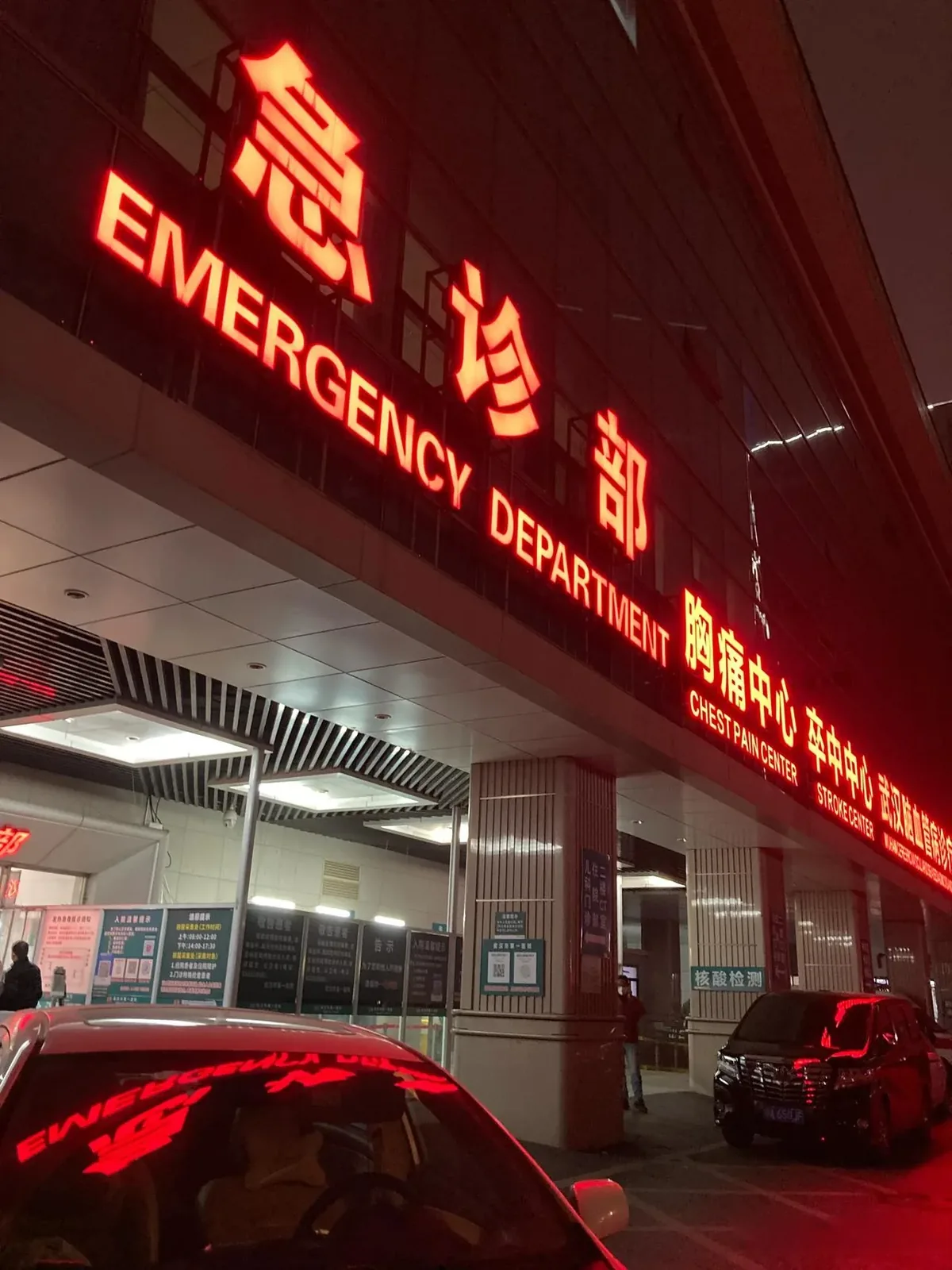
My first hospital visit in Wuhan started with diarrhea and ended with me pointing at my stomach in a lobby full of people while a nurse waited for me to explain myself in words I didn’t have. I eventually downloaded a translation app. She downloaded a better one. We met in the middle, and I got sent upstairs to internal medicine without ever having checked in at a desk.
The system made no sense to me then. After seventeen years here, I still see foreigners make the same mistakes I made. Let me fix that.
How hospitals are sorted
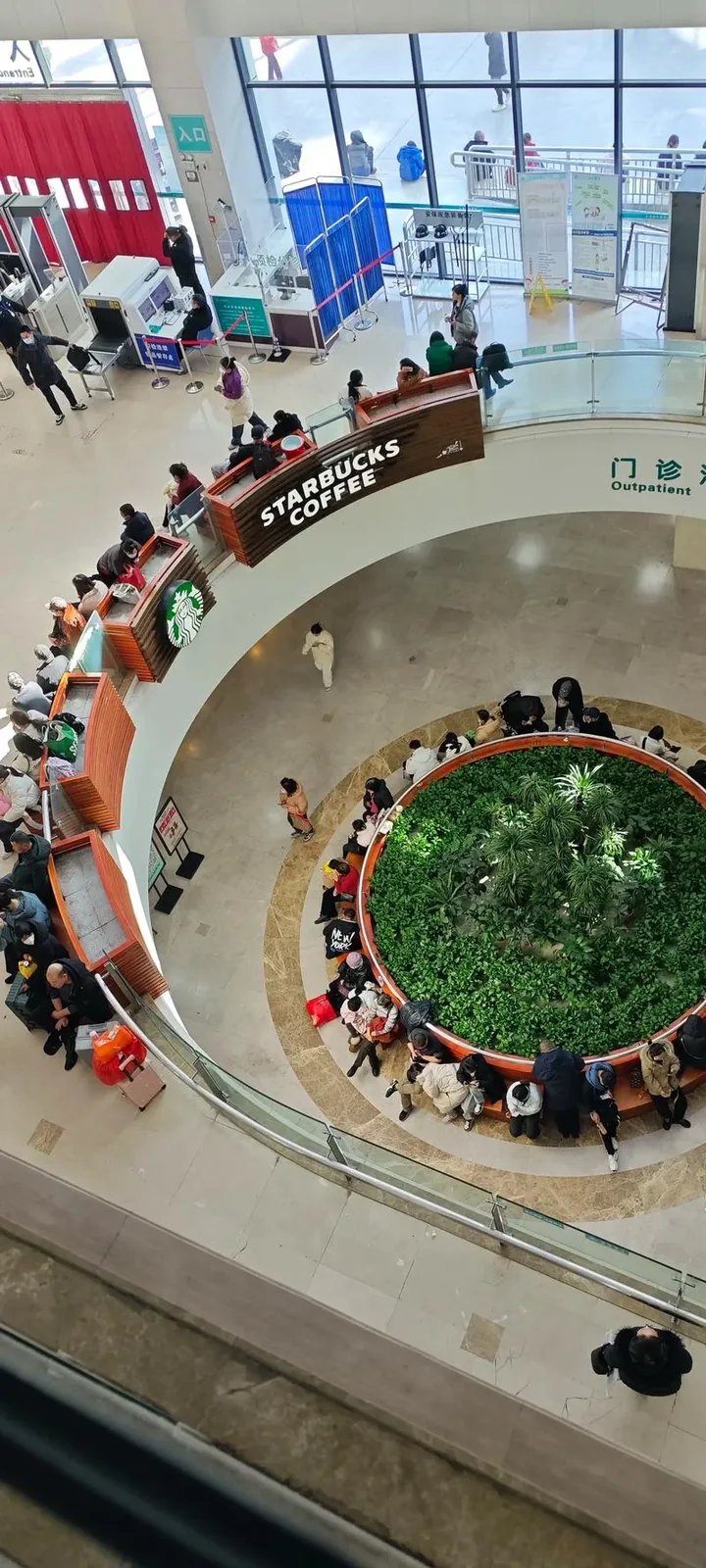
Chinese hospitals come in three tiers, and Wuhan has them in abundance. Tier-3A hospitals are the massive complexes in every district with a hundred departments and a queue that rivals airport security. These handle everything and overwhelm everyone.
For most situations, skip the giant hospitals. Community health centers (社区卫生服务中心) handle colds, minor injuries, prescriptions for common conditions, and basic blood work without the wait times that age you visibly. They exist in every neighborhood, and if you ask your landlord which one is nearest, they will point you there without thinking.
Private clinics operate in between. Dental clinics, dermatology clinics, eye clinics, and traditional Chinese medicine clinics: these open later, speak more English proportionally, and cost more. Quality varies. The good ones get recommended on WeChat groups. The bad ones also get recommended on WeChat groups but with warnings attached.
International clinics exist for people with international insurance or money to burn. Wuhan United Family Hospital operates alongside the standard public system with English-speaking staff and direct billing to most foreign insurance plans. Prices hurt. It is very good. For a sprained ankle at 10 PM on a Saturday night, the choice between the ER and waiting until Sunday morning involves math most people do in advance. The wider safety picture, including what to do in other emergencies, is in Is Wuhan Safe? A Local’s Honest Guide for Foreign Visitors.
What to bring to any medical visit
Passport. Insurance card if you have one, plus cash or a phone with payment apps. Translation app downloaded and tested on symptoms vocabulary.
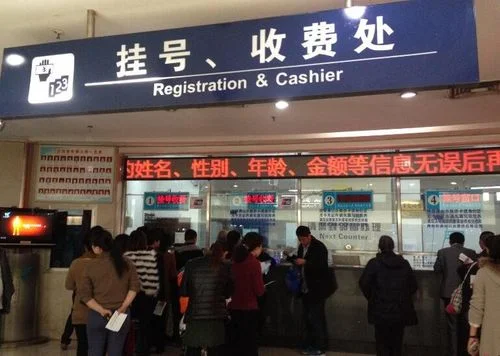
The process flow: you register at the front desk or through a hospital app, take a number, wait, see a doctor, pay at a window or through the app, get tests or prescriptions at various stations, possibly wait again. Each step is its own line. Having a Chinese speaker with you removes the improvisation from this sequence.
Without a translator, pointing at body parts and willingness to mime work better than you’d think. Hospitals expect communication challenges. They deal with patients from every province with incomprehensible accents, so foreigners join a long list of people who need to repeat themselves.
The language barrier
Doctors read English medical journals. They don’t speak English to patients. This is the central frustration of using Chinese hospitals as a foreigner. Written Chinese in prescriptions uses medical terms that parallel international usage, which means your translation app improves enormously if you stick to technical terms rather than attempting pain descriptions.
Bringing a Chinese friend is standard. For serious matters, hiring a medical translator through a service or asking your company’s HR department is reasonable and sometimes covered by insurance. Most Tier-3A hospitals have an international department or at least a volunteer who speaks some English. Ask at the information desk.
Private clinics (dentists especially) employ English-speaking staff in areas with foreign residents. Opt for these when the issue isn’t an emergency. Costs more. Saves time and anxiety.
Paying without Chinese insurance
China’s public insurance covers residents, but foreigners need private insurance or out-of-pocket payment. Options:
International insurance like Cigna, Allianz, or GeoBlue covers you at private hospitals with direct billing. You present your card. They call the company. You leave.
Travel insurance covers emergencies only and requires you to pay upfront then claim receipts later. Keep every piece of paper because reimbursement requires them.
Out-of-pocket, a general consultation at a Tier-3 hospital costs around 25 to 50 yuan before tests. Dental and private clinics charge in hundreds, and surgery or overnights run into thousands.
The hospital won’t refuse treatment over payment. This is a fact worth knowing when panic strikes. Stabilize first. Figure out the money after. Wuhan hospitals treat anyone in emergency situations regardless of ID or payment method: there’s a legal requirement and a practical reality, and both work in your patience’s favor except when they don’t.
What to do at 2 AM
The emergency room at Wuhan Tongji Hospital or Wuhan Union Hospital runs 24 hours and looks like it. The waiting room at 2 AM is somehow fuller than at 2 PM. People bring blankets. Some wait with IV drips already attached from a previous visit.
For actual emergencies (severe injuries, chest pain, uncontrolled bleeding) go directly. For urgent things that can wait until morning (high fever, bad sprain, infections) consider whether the suffering of waiting for five hours in the ER before seeing a doctor beats the suffering of waiting until 8 AM when clinics open.
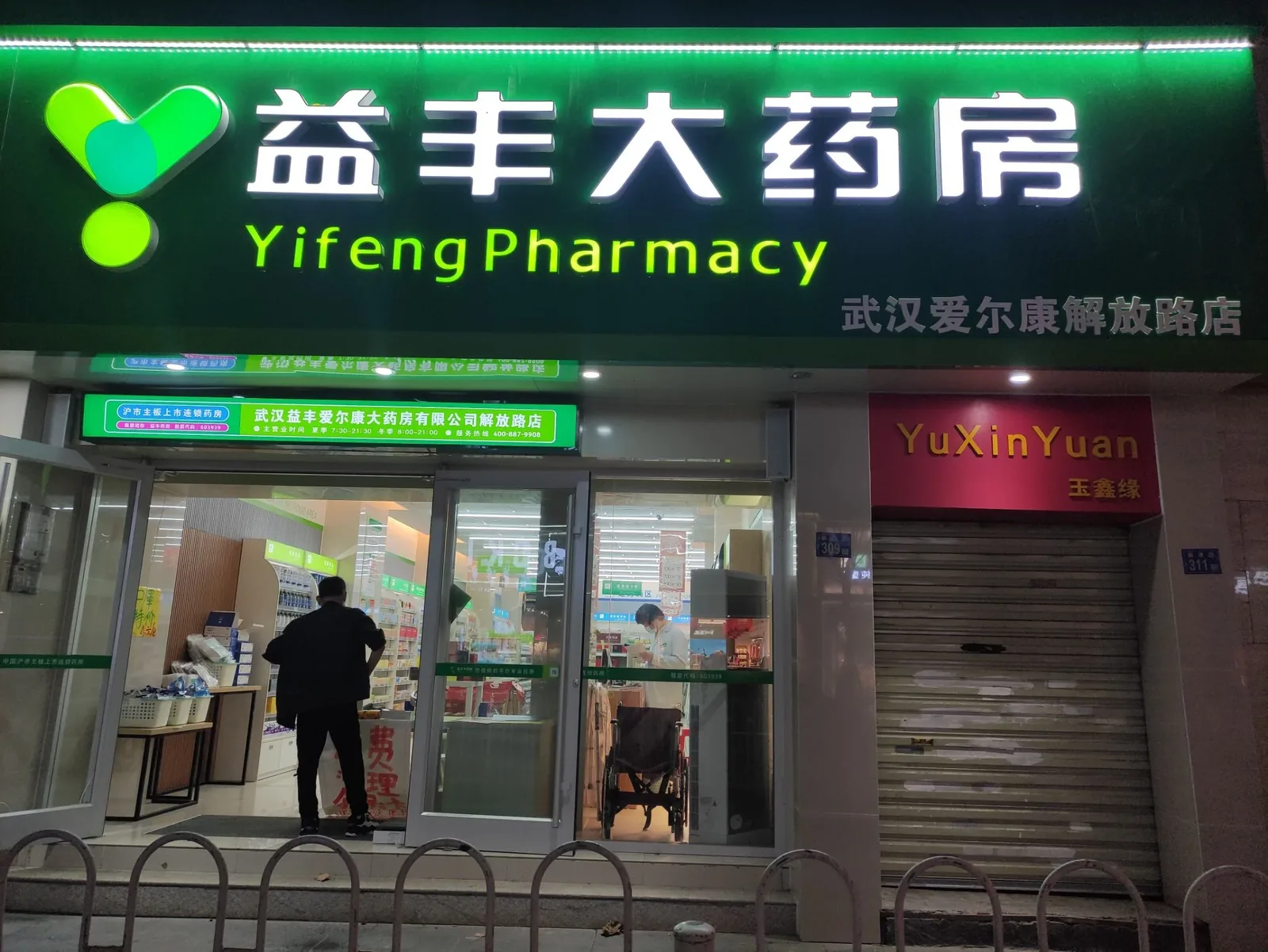
Pharmacies solve many nighttime problems. Local pharmacies identify a pharmacist on duty, describe your symptoms or show them a previous prescription, and they dispense without a doctor’s visit for common needs. They also tell you when something sounds like a hospital visit. The pharmacist I know tells foreigners to go to the hospital with the directness of someone who doesn’t carry malpractice insurance.
Traditional Chinese medicine is not a conversation tipper
Every major hospital has a Traditional Chinese Medicine department. They do acupuncture, cupping, herbal prescriptions. Some of it has clinical evidence. Some does not. Patients choose it for chronic pain, recovery from illness, or general health because it’s culturally available and covered by insurance.
If you’re curious, start with the acupuncturists at any community health center. Cheapest entry point, and the practitioners tend to speak less jargon than herbalists. Bring someone who can explain what they’re doing if you can’t read the character-based explanation sheets.
Practical steps to set up before the emergency
Register your face at your local community health center. The process requires your passport, temporary residence registration if you have one, and fifteen minutes. After registration you get access to the national health system at subsidized rates for basic care even without Chinese insurance. The requirement varies by district. Your local center staff will tell you what’s possible versus theoretical.
Save the address of your nearest community health center, the 24-hour pharmacy number, and the international hospital’s contact. Store them in your phone. When the moment comes you don’t want to be navigating WeChat in panic at a bus stop.
Finally, figure out which hospitals your insurance covers in-network before you need to go. Get this in writing. Hospital bills paid out-of-network surprise you less if you knew in advance and decided it was worth it.