
I get asked this question a lot at dinner parties, usually by nervous parents whose kid just accepted a teaching job in central China: “Are there actually foreigners in Wuhan?”
Yes. Thousands of them. They just don’t all hang out together.
Wuhan’s foreign population breaks into roughly four groups, and they interact less than you’d think. Understanding why tells you something about this city that expat blogs never cover because most of their authors didn’t stay long enough to notice.
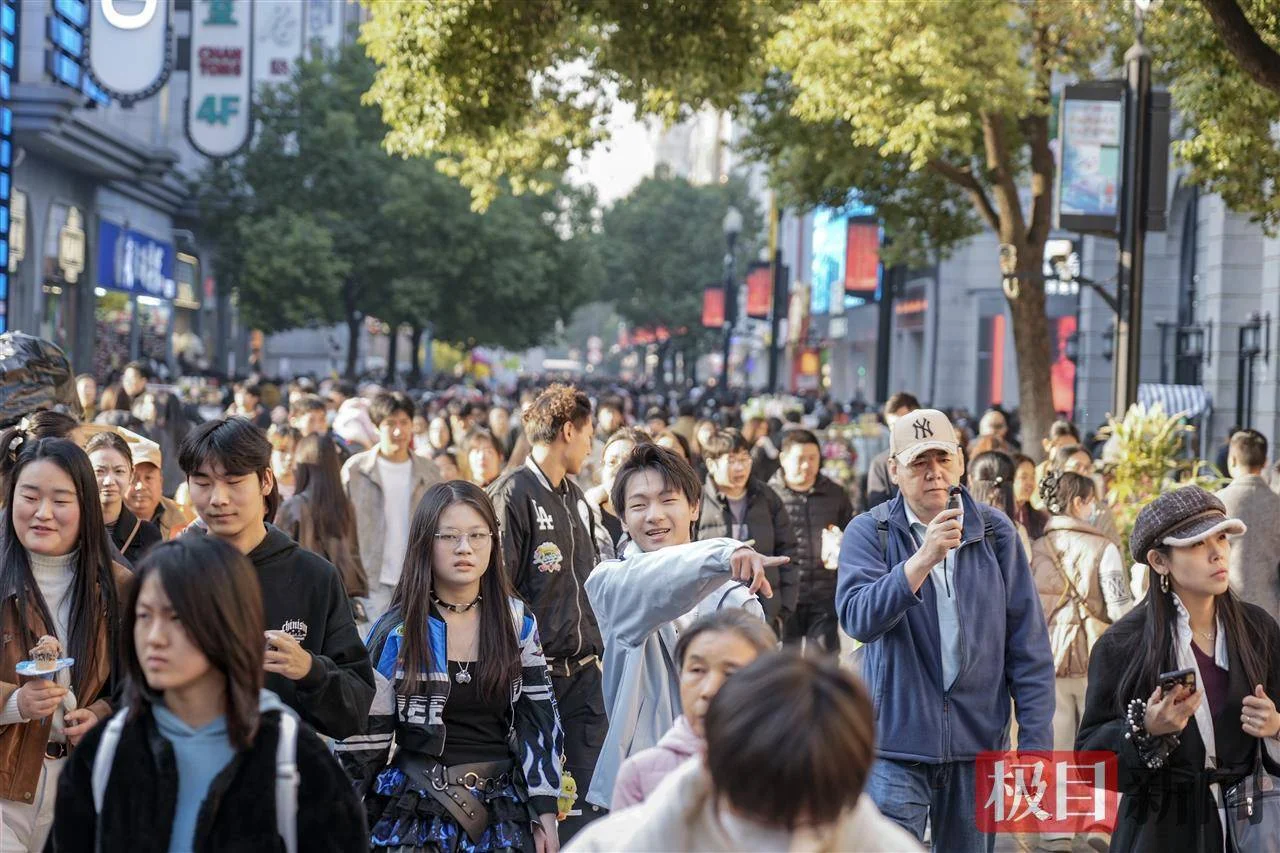
The students
They’re the biggest group. Wuhan has more university students than almost any city in China, and a lot of them come from abroad. Huazhong University of Science and Technology, Wuhan University, China University of Geosciences; these schools recruit from South Asia, Central Asia, Africa, Southeast Asia.
Most foreign students spend their entire degree inside a bubble. They take classes partly in English, partly in Chinese. They eat in international dorms. Their WeChat contacts are 80% other foreigners. This isn’t unique to Wuhan, but the university infrastructure here makes the bubble unusually comfortable, which has the side effect of making it harder to leave than in Beijing or Shanghai.
A Pakistani engineering PhD I know told me he’d been in Wuhan three years and had never eaten at a local restaurant that didn’t cater specifically to foreigners. He said this proudly. I didn’t know what to say.
By their final year, the serious ones push out. They find internships at companies in Optics Valley, learn enough Mandarin to negotiate with suppliers, and end up staying. The ones who never leave the bubble go home with a degree and a WeChat account full of people they’ll never physically see again.
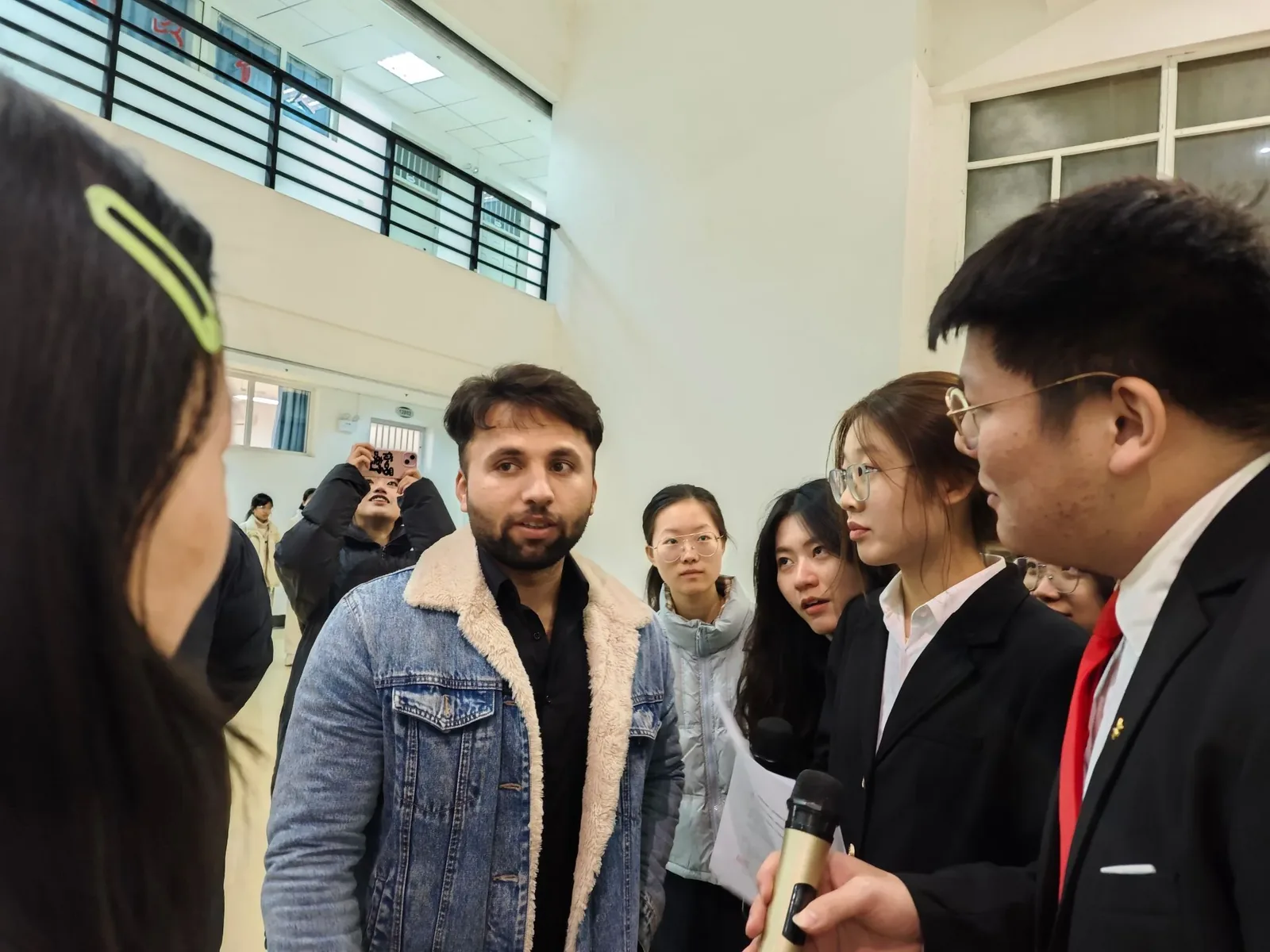
The teachers and the traders
English teachers are the second-biggest group, and they turn over fast. They come on one-year contracts, post about their adventures on social media, and either renew or leave. Their social scene is other English teachers, cheap bars near university gates, tourist spots on weekends.
Then there’s the small group who’ve stayed a decade. They speak fluent Wuhan-accented Mandarin, married locals, and run their own side businesses. They’re who you want to talk to if you’re thinking about staying. They know which districts have landlords who won’t flinch at a passport, which hospitals process foreign insurance, how to handle a run-in with the local police without either side losing face.
The traders came in the early 2000s when Wuhan became a logistics hub. African and Middle Eastern business owners (Nigerians, Egyptians, Yemenis, Turks) set up in wholesale markets and shipping offices. Their community is tight but invisible in the way foreigners usually mean. They don’t run expat Facebook groups. They don’t write blog posts either. They ship goods.
Where people actually go
Optics Valley draws people who work in tech. The Jiayu Liangjiang area near the river draws the traders. Jianghan Road and its surroundings draw young expats: the non-students, non-traders who came because a friend told them Wuhan was cheap and the food was worth the trip.
There are specific places. A coffee shop near Wuhan University’s old gate that’s been serving pour-overs to African trading families since 2014. A Nigerian restaurant in Hankou that does jollof rice Lagos-born customers actually approve of. A Central Asian grocery near Guanggu that stocks actual non-Chinese bread, which sounds like a small thing until you’ve been here two months and would commit crimes for bread that doesn’t taste like sugar.
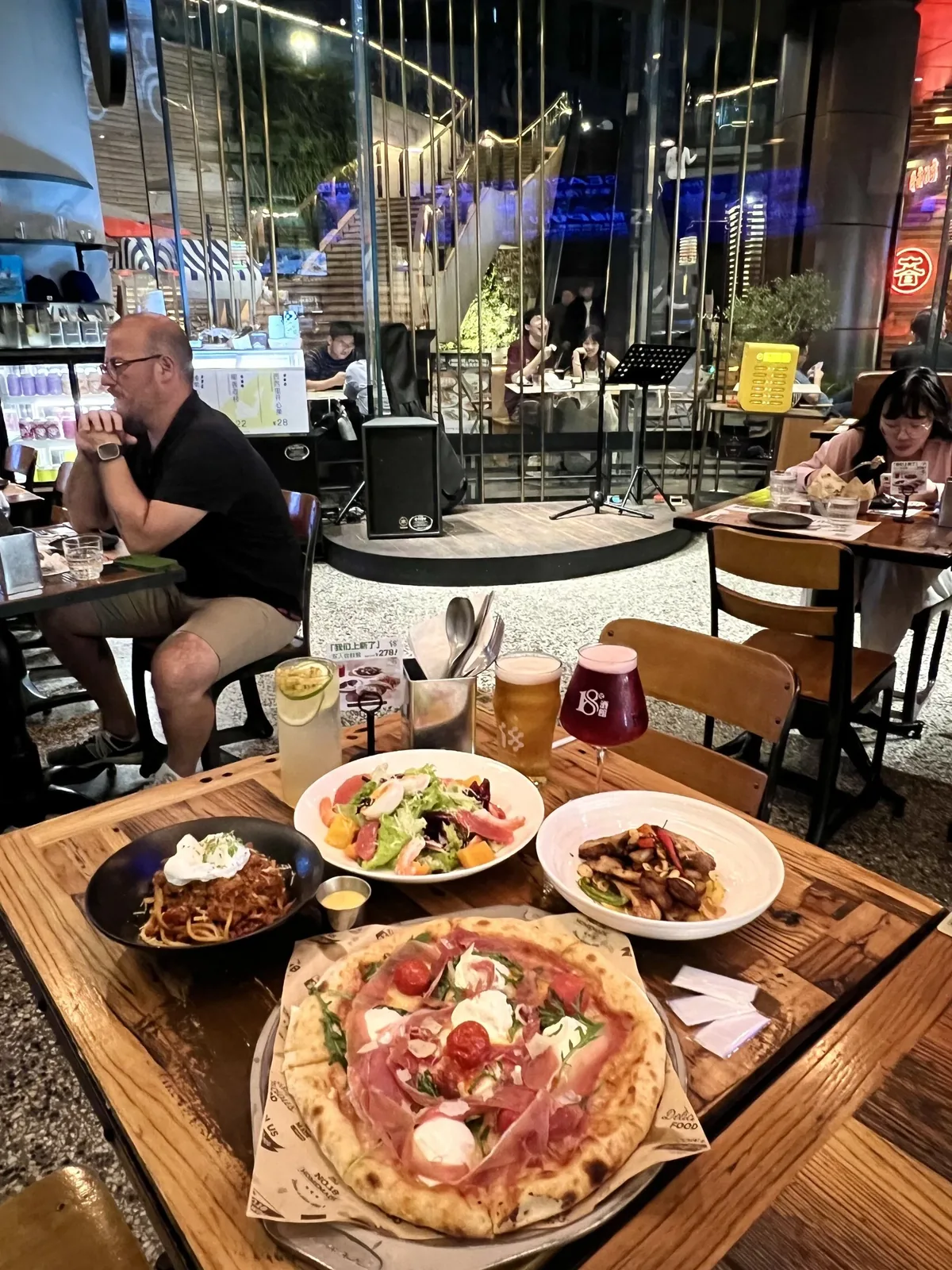
Friday bar gatherings are real, but they skew toward first-timers. After six months, most people find their own rhythm, whether that’s a favorite noodle place, a regular chess partner in the park, or a landlord who doubles as an informal fixer for bureaucratic problems.
The practical stuff nobody mentions
The Foreigners’ Service Center at the Public Security Bureau is where visa questions go to either die or occasionally get resolved. Wait times are unpredictable. Documentation requirements change without announcement. The staff aren’t unhelpful at all; they’re overwhelmed. Bring every piece of paper you own. Bring copies. Bring a Chinese speaker if you can, but also bring patience, because even Chinese speakers need patience there.
Housing is a known headache. Landlords are supposed to register foreign tenants with police within 24 hours. Some skip it because they find it invasive. This means some apartments technically can’t rent to foreigners. In practice many landlords don’t care as long as the rent’s paid, and Wuhan’s foreigner-friendly housing market is wide enough that you’ll find something. Expect to search longer than a Chinese tenant would, and pay a bit more.
Healthcare I’ve covered elsewhere. I’ll just add that the foreigner-friendly clinics in Wuhan change hands often. When your local clinic’s front desk starts treating you like a burden, find a new clinic.
What surprises most newcomers
New arrivals expect isolation. What they find instead is a city perfectly sized for ignoring you. Too big for everyone to stare at the foreigner on the bus, and too busy for street vendors to follow you past one block. The curiosity is real but shallow: people look, some ask where you’re from, then go back to arguing on the phone with their cousin about whose turn it is to take their mother to the doctor.
That absence of constant scrutiny is what keeps most people here. Not the cost of living (though it helps). Not the hot dry noodles (though that too). It’s that you can become a person again instead of being “the foreigner” all the time.
Finding your people
If you’re arriving and want to find other foreigners fast: WeChat is everything. Search for “Wuhan expat,” “Wuhan foreigner,” or specific national groups. Most require passport photos and introduction lines that feel overbearing until you realize they exist because of monitoring requirements, not because the admins are control freaks.
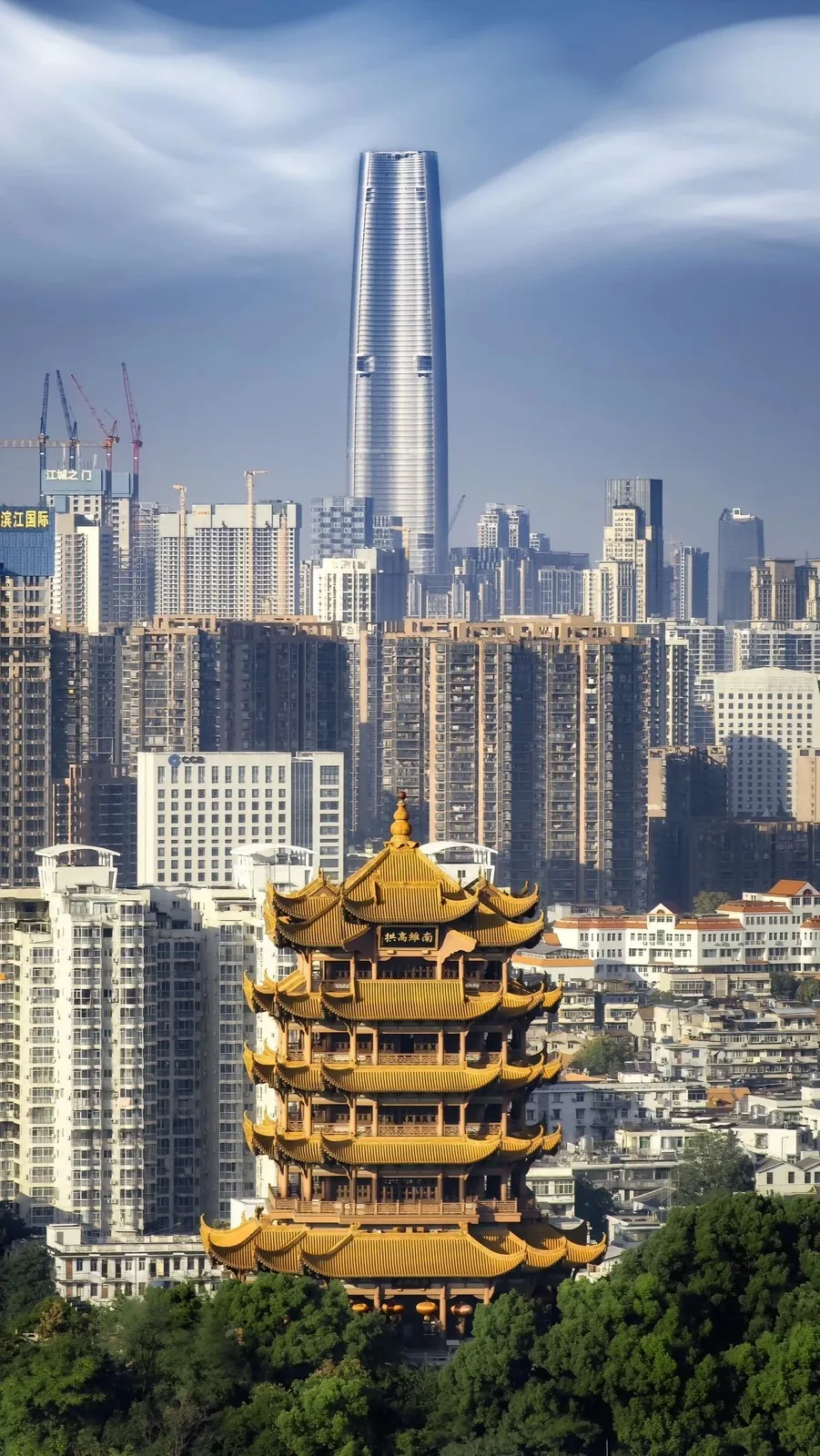
The post-COVID years reshaped the community. Some groups disbanded when residents left and never came back. Others grew as Wuhan’s affordability became more widely known. The current foreign population is smaller than its 2019 peak but more stable. Fewer one-year tourists, more people planning to stay, and getting around as a newcomer is covered in Wuhan Metro Survival Guide: 11 Lines, One Confused Foreigner. If you’re not a joiner, you’ll still find your people. In Wuhan they gather wherever the food is good and the noise level allows conversation. Start there. The rest sorts itself out over months, not days.