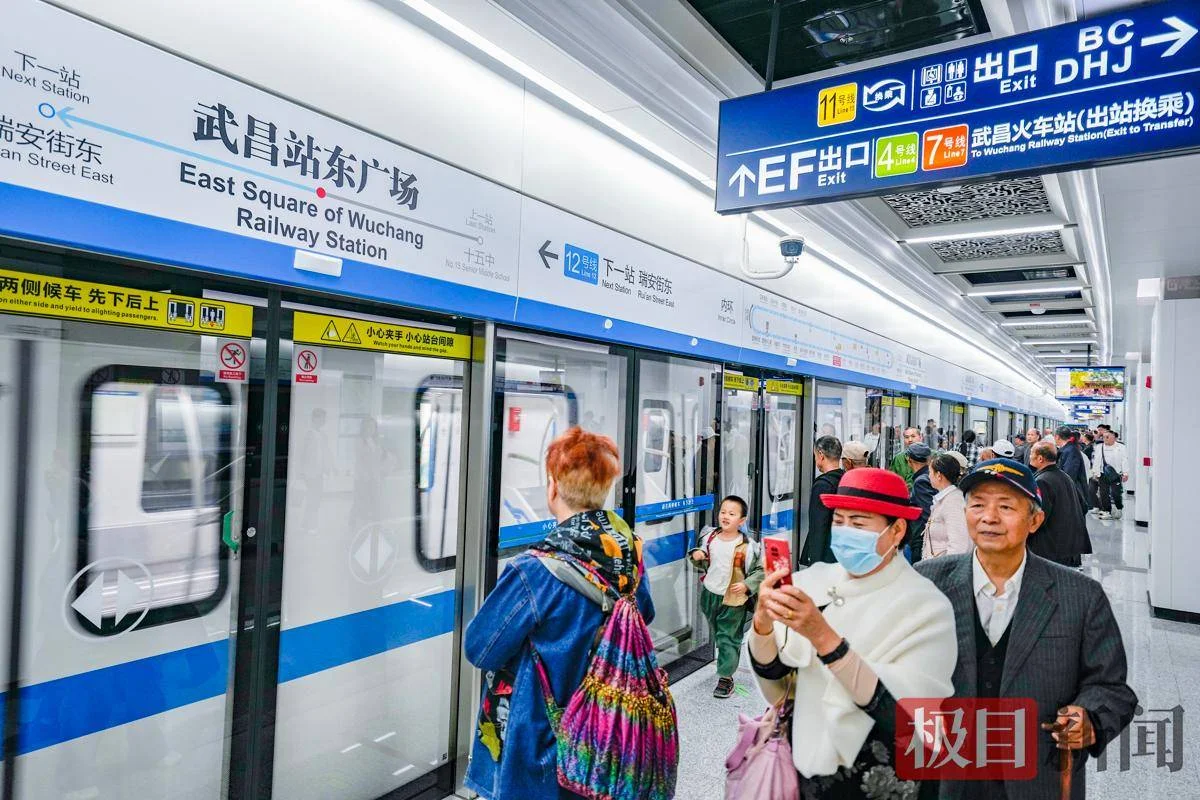
Wuhan residents understand something most visitors miss: this city is three cities pretending to be one. The commute between them shapes every work decision, every housing choice, every relationship that almost failed because someone said “I live in Hankou” to someone who works in Optics Valley.
I spent three years crossing the Yangtze twice daily. I have opinions.
Why the river defines everything
The Yangtze splits Wuhan north-south. The Han River splits Hankou and Hanyang east-west. Every commute touches water. Every commute potentially involves a bridge, a tunnel, a ferry, or all three in a single journey.
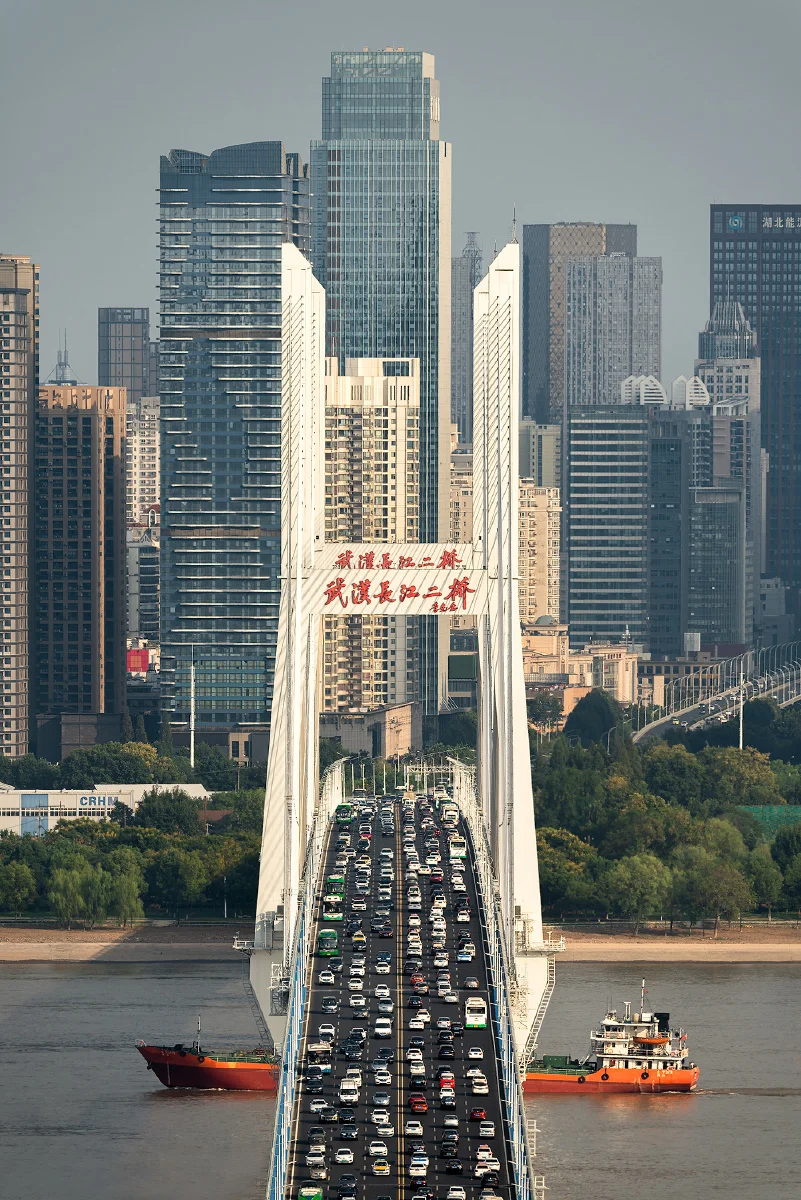
This isn’t metaphor. Bridges here have peak hours when the traffic flow maps are an uninterrupted red line. The Second Yangtze Bridge (Erqi Bridge) carries over 200,000 vehicles per day. On Monday mornings that number feels conservative. If one vehicle stalls in the wrong lane at 8:15 AM, ten thousand people arrive late to work and thousands of them will find that late arrival recorded in their monthly performance review.
Locals develop bridge-specific knowledge. The Qingchui Bridge backs up at the approach ramp but once you get on top, clear sailing. The Erqi Bridge backs up from the Wuchang ramp regardless. The Third Ring Road bridges sometimes move faster but add twelve kilometers to the trip. None of this information appears on your GPS because GPS assumes distance is what matters. Locals know delta-t is the variable.
Three towns, three identities. Hankou acts like the commercial center it is, and housing costs reflect it. Wuchang has universities and tech companies and slightly more reasonable rent in certain zones; Hanyang remains the forgotten third sibling with affordable housing and fewer metro lines. Many residents live in one town and work in another because that’s where jobs and reasonable rent aligned that year. The underground crossings are the part most newcomers underestimate, and Wuhan Metro Survival Guide: 11 Lines, One Confused Foreigner maps all eleven lines. The cheapest and best river crossing is the one almost nobody takes, described in The 1.5-Yuan Ferry: Wuhan’s Cheapest River Crossing and Best Kept View.
The commute methods ranked
Local consensus ranks the options by practical metrics.
Metro ranks first for reliability, third for comfort. Line 2 connects Hankou to Wuchang through the metro tunnel under the river. Every weekday morning it carries standing passengers pressed against doors wearing expressions that have given up. Air conditioning exists in summer but feels theoretical against the glass.
The Hankou-to-Wuchang metro ride takes about twenty to twenty-five minutes from start to exit. Walking to the station and waiting for transfers adds another fifteen. Rush hour crushes any comfort advantage. But it arrives on time. That predictability makes the top choice for people whose employers track arrival times.
Bus ranks second for flexibility, fourth for everything else. Routes cross the river on bridges. Traffic affects them the same way it affects cars, plus they stop every 500 meters to let passengers off. A journey that would take thirty minutes by car on a free road takes sixty to seventy minutes by bus during peak times. The air conditioning works on newer buses. Older buses interpret “air conditioning” as “open the driver’s window.”
Some bus routes survive because they go where metro doesn’t. Cross-river routes in particular experience the worst of both worlds: trapped in the same bridge traffic as cars but making regular stops through it.
Car ranks third for door-to-door convenience, fifth for stress levels. Drive-to-work culture exploded in the last five years. The metro system expanded fast but Wuhan residents kept buying expensive cars faster. Wuhan roads carry approximately 4 million registered vehicles. Some days most of them appear on your route simultaneously.
Parking costs add up. Office buildings charge 400 to 800 yuan per month for a spot. Residential parking ranges from 200 to 500. The math required to justify a car commute only works if you carpool or the metro genuinely doesn’t serve the destination.
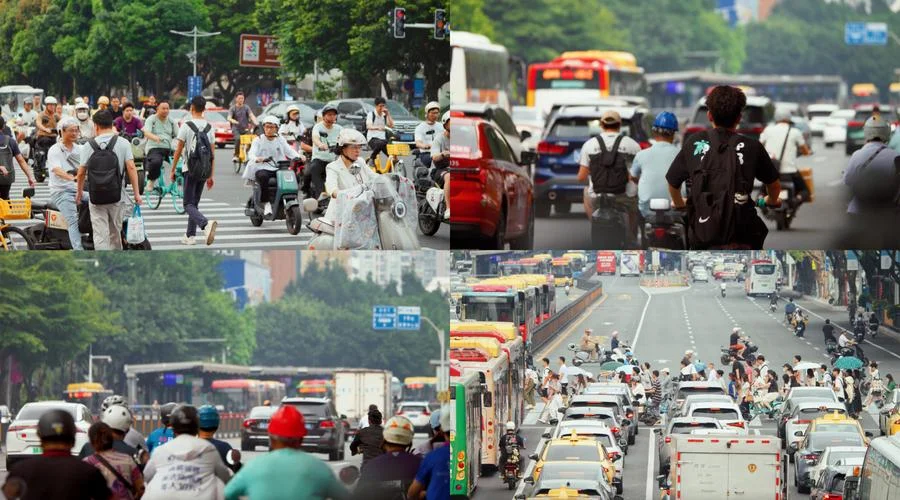
Electric scooter ranks fourth for short-to-medium distances, first for sheer aggression. Every Wuhan intersection at 8 AM has a swarm of electric scooters filtering through traffic with the confidence of someone who has accepted fate. Delivery drivers on electric scooters represent a particular subclass. They run through amber lights, sometimes through red. They know every shortcut through old neighborhoods that maps have never heard of.
The river crossing problem
The Yangtze isn’t a river you casually cross. It’s a commitment.
The metro tunnel takes about four minutes. You feel nothing special happening underground. No view, no indication that you’re under a huge river, just a familiar four-minute wait between stations.
The ferry takes longer but gave Wuhan commuters their earliest reliable crossing option. It survives mainly for nostalgia and short hops.
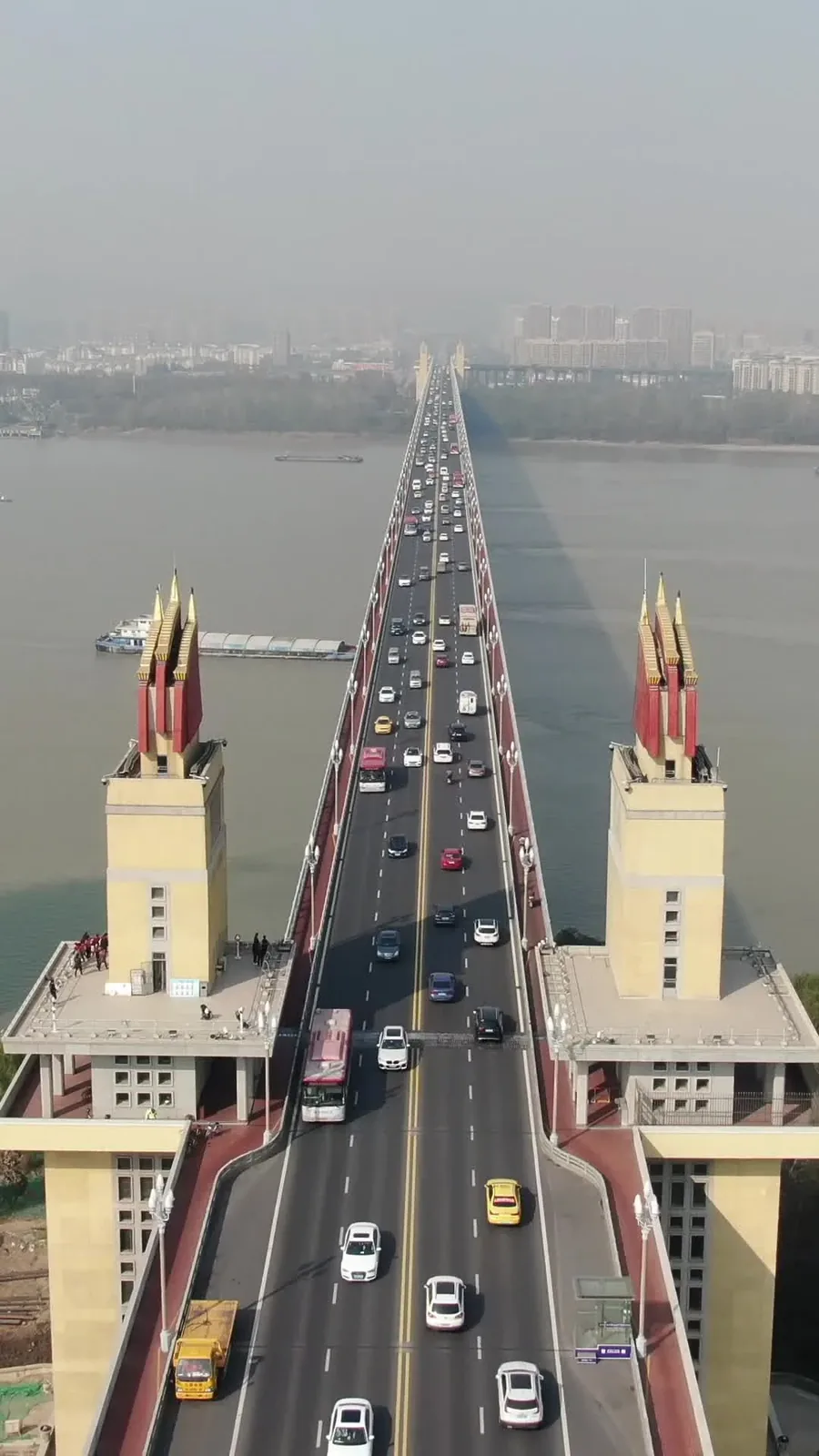
The bridge takes unpredictable amounts of time. On a good weekday, fifteen minutes door-to-bridge-to-destination; on a bad weekday, forty-five minutes, during which you will stare at the same changing brake lights and arrive at work in a mood.
Most residents develop a primary route and two backups. When the primary route is bad, they switch.
The weather multiplies the problem. Rain doubles bridge traffic, fog occasionally shuts them, and flood season narrows lanes. Snow (rare but not unheard of) paralyzes the city for days each time because Wuhan owns minimal salt-spreading equipment and even fewer snow tires.
What locals actually do
Housing decisions start with a commute analysis. People pick locations based on a thirty-minute travel radius, or forty-five if housing prices demand it. Some people make that calculation multiple times before settling.
Remote jobs change the equation but haven’t changed it at scale yet. Hybrid work (three days office, two days home) is the current compromise. The commute doesn’t go away. It just compresses into worse conditions on fewer days.
Multiple trips happen because urban design spreads across the city: school in one district, work in another, weekend activities in a third. Someone who lives in Jianghan and works in Optics Valley and studies near Hongshan University covers more ground in five days than many people travel in a week.
The worst commute isn’t the longest. It’s the one that crosses zones during peak hours on a Monday morning while running on four hours of sleep and realizing you forgot your access card in your other jacket. Some make that mistake once. A few learned from it.