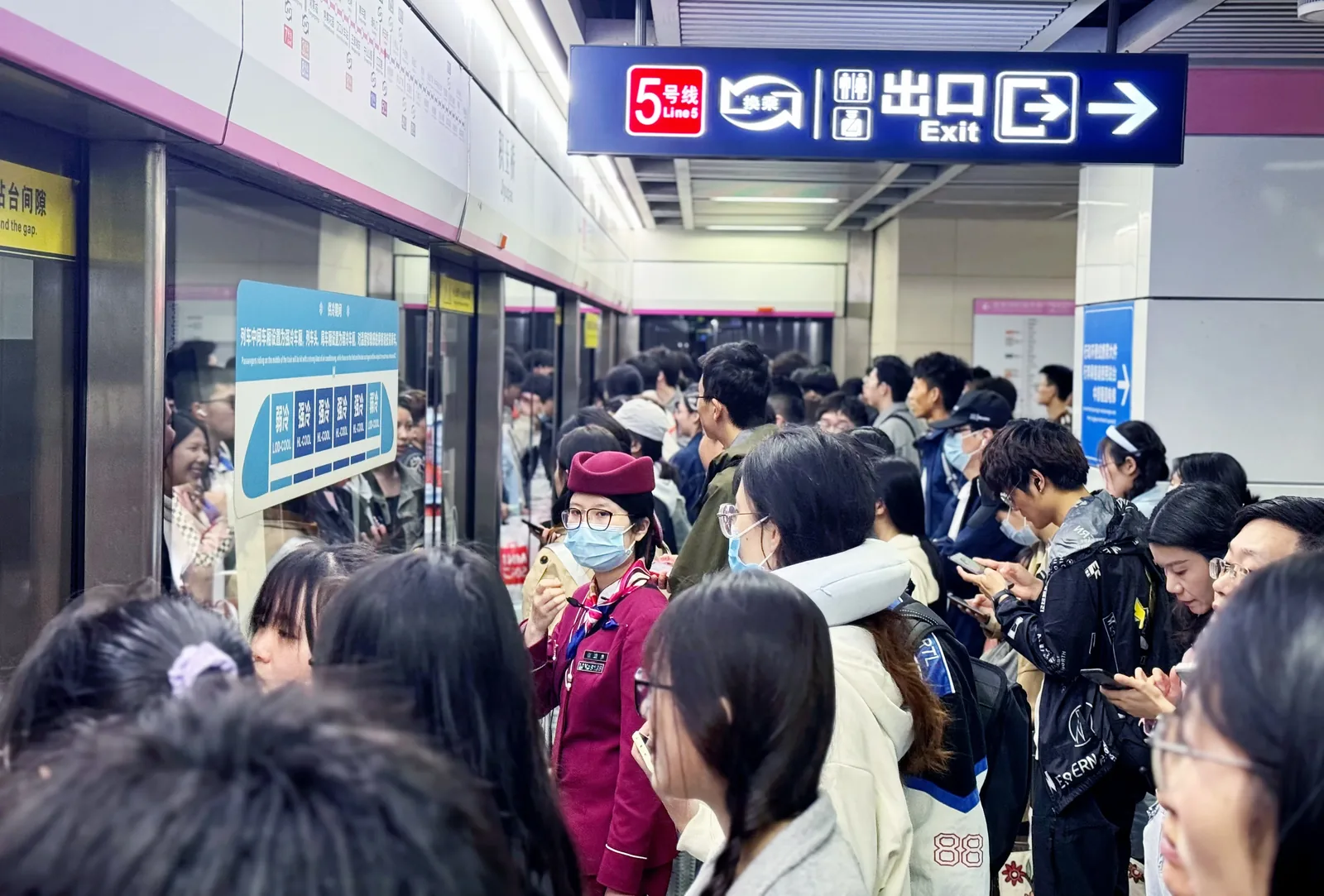
Wuhan has 11 metro lines. This sounds impressive until you realize half of them opened in the last five years and even locals haven’t entirely kept up. The system spans over 400 kilometers and moves millions of people daily. It also has at least four stations where experienced riders still occasionally exit the wrong door.
I asked a friend who worked on the metro expansion project what the most common rider complaint was. He said without hesitation: “transfers take too long.” Fair enough. Let me see if I can help.
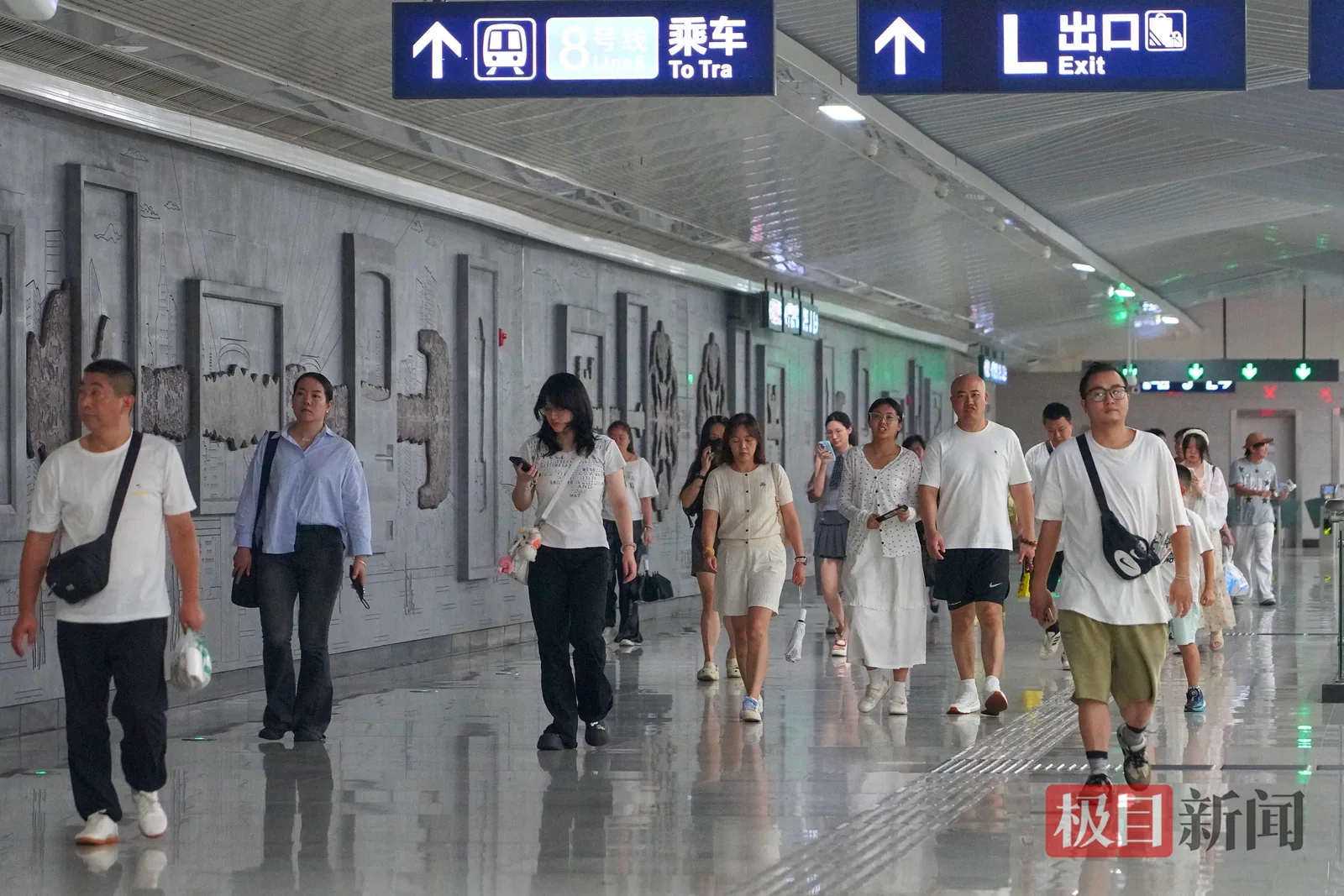
The lines you care about
Most of your Wuhan experience involves the same four or five lines. Here is what matters.
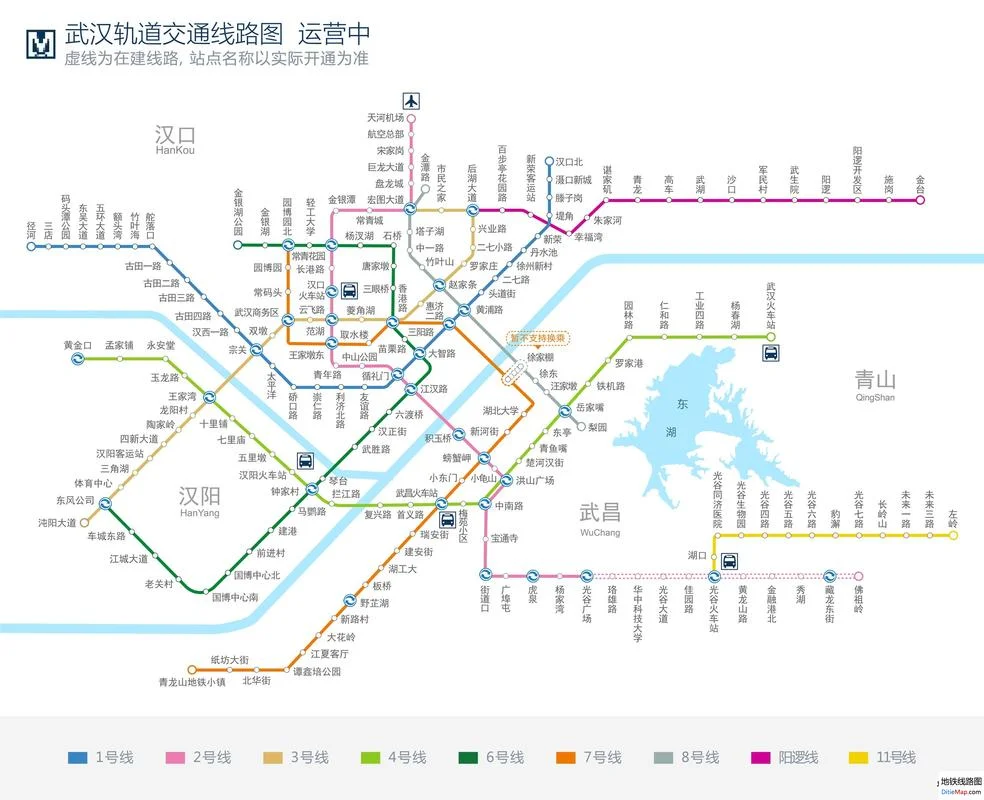
Line 1 is the oldest, elevated above ground through most of Hankou. It runs east-west along Jiefang Avenue. Good for reaching the Hankou waterfront. Trains arrive every three to five minutes and the whole ride happens at street level, so you can see where you are. Air conditioning exists but struggles in summer.
Line 2 crosses the Yangtze River and connects Hankou to Wuchang through an underwater tunnel. It also reaches Wuhan Tianhe Airport, which gives it the distinction of being the first line foreign riders use. The ride itself breaks into three segments: the Hankou stretch full of shopping stops, the river crossing (takes about four minutes, you don’t notice anything special), and the Wuchang half that terminates south at Fozuling. Transfer stations connect to most other lines.
Line 4 runs through Wuchang including the area around Wuhan Railway Station and the Optics Valley zone. It forms a loop with Line 2 at one point and intersects Line 3 at another. If you are east of the river, this line comes up often.
Line 5 runs north-south through Wuchang with a cluster of university stops. Wuhan University, Wuhan University of Technology, several others. Weekend evenings fill this line with college students heading back to dorms.
Line 7 goes north-south through Hankou with a short extension into Qinglongshan. Orange signs, relatively new, fewer riders than Line 2 but more comfortable seats, and the cars smell like new plastic.
Other lines exist. Line 3, Line 6, Line 8, Line 11, Line 16, Yangluo Line. Each has a purpose. None of them will matter unless you have a specific destination in mind or enjoy urban transit tourism.
The transfer stations that eat time
Hongshan Square connects Line 2 and Line 4. The transfer corridor is long enough that I’ve seen people check their watches. Move quickly, follow the signs, and you make the connection in about four minutes. Confused standing in the middle tracking both signs costs you eight.
Jiyuqiao connects Line 2 and Line 5. The transfer involves escalators in both directions and a long walk. Budget five to seven minutes. During evening rush hour the crowds make this longer and less pleasant.
Zhongjiacun connects Line 4 and Line 6. Shortest transfer of the major stations. Two minutes if you know which platform to aim for, and the exit signs actually work, which feels like a victory.
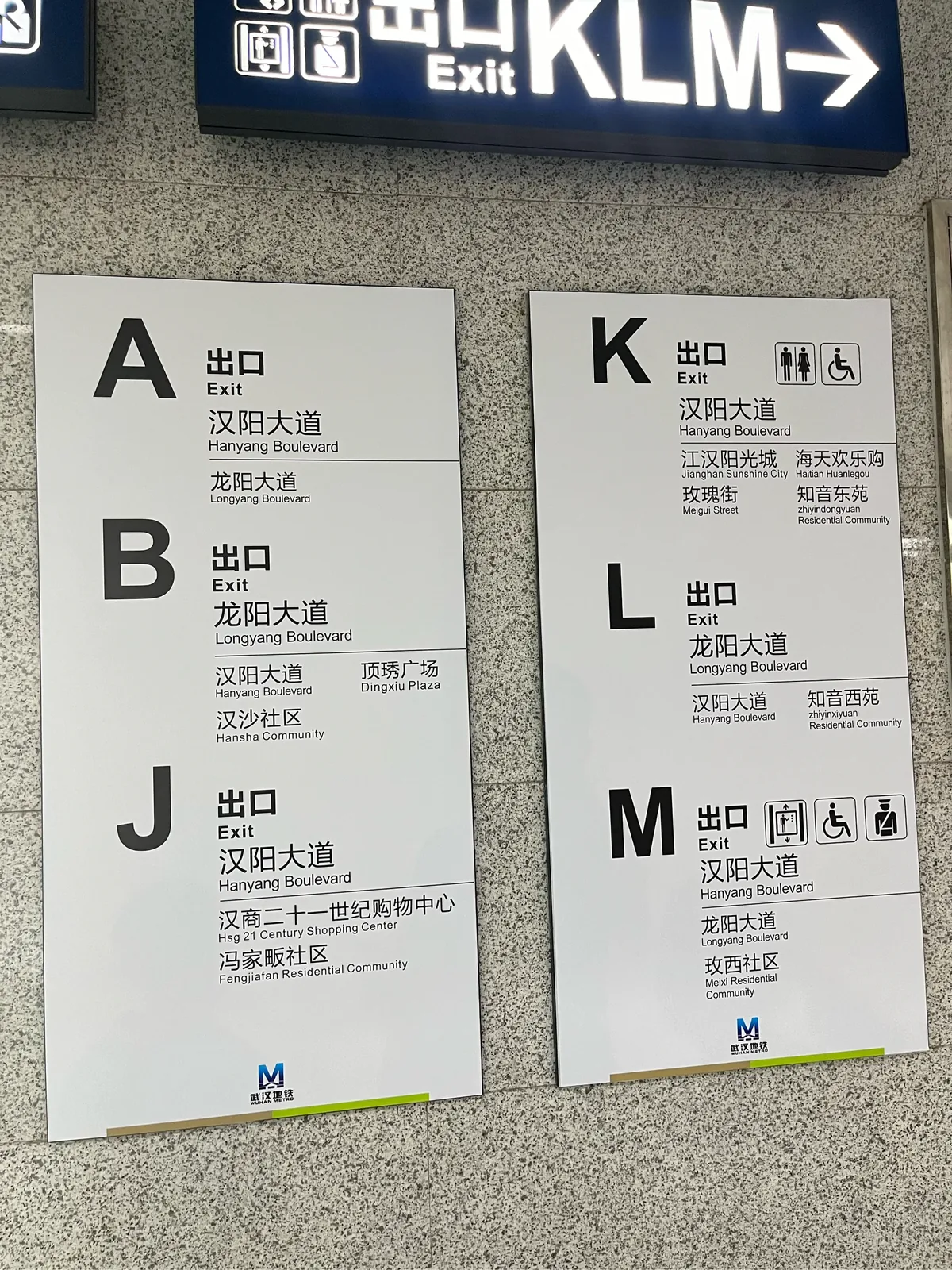
Optics Valley connects Line 2 and Line 11. The station’s underground footprint feels like a small shopping mall. Multiple exits feed into the square’s border. Finding the right one requires reading the small-print signs that nobody reads, then guessing. Starting over wrong happens here more than anywhere else.
How to pay
Three options exist. Each has trade-offs.
Alipay or WeChat Pay through the metro’s transit code. Enable it from the transit section of either app, scan the QR code at the turnstile, scan again when you exit. Works once set up. Setup requires linking your foreign card to Alipay first, which is its own project, or loading money onto the app through other means. Once done, this is the easiest path.
Single-journey token from the ticket machine. Insert cash or use the machine’s QR payment, tap the token at the turnstile, drop it into the slot when you exit. The token is a small plastic coin with an embedded chip. Easy to lose. I have bought the same token three times for this reason because I kept leaving them behind.
Metro card from the service counter. Twenty yuan deposit, load whatever amount you want. Return the card before leaving Wuhan to get the deposit back. Foreign passports work at the counter but the process takes longer than the self-service machines. Staff member will stare at your passport photo, then at you, then at the photo again. The metro is only one piece of the puzzle: taxis, buses and the ferry are all covered in Getting Around Wuhan: A Complete Transportation Guide.
Useful bits of knowledge
Metro hours run roughly 6 AM to 11 PM. Different lines stop at different times. The airport line stops earlier than planned. Check the terminal station you aimed for before committing to evening plans.
Air conditioning exists in all cars but aggressive some days, weak others. Line 1 above ground in August feels like sitting in a greenhouse with low ceilings, and the open windows do not help because the outside air is the same temperature.
The printed maps inside every car show where you are and where the line goes. The digital screens announce the next stop in Mandarin and English. Sometimes the English announcement sounds confident and wrong, so trust the written signs over the spoken ones.
Every station has public restrooms in the unpaid area. Yes, really. The paid area sometimes also has some. They vary in quality from acceptable to memorable in bad way. The ones in transfer corridors between lines are maintained less than the single-line stations.
Police dogs occasionally appear at major stations. Not armed officers. Just dogs. Resniffing bags in the security check line. They seem better at detecting water bottles than actual threats. Empty your bottle before entering or prepare to drink it all on the spot.
Navigation that actually works
Baidu Maps. Not Google. Not Apple. Baidu knows the station exits and which one brings you closer to whatever you’re trying to reach. Google Maps has improved recently but still picks wrong exits about half the time. Baidu gets it right about 80 percent.
If Baidu tells you exit C, take exit C, and you have a decent chance of appearing in the right place.
For transfers between lines, follow the overhead signs first and the crowd second. At Jiyuqiao, the crowd for Line 5 sometimes looks bigger because it moves slower, not because more people are waiting. When in doubt, follow the overhead arrow matching your line’s color code.
Why Line 1 feels different
Line 1 runs elevated. The stations have outdoor platforms with waist-high railings. Between stations you cross over the city at ten meters up, watching traffic and pedestrians below. At night the effect feels like a low-budget roller coaster without the drops.
The trains themselves are the same rolling stock as underground lines but older, noisier, more vibration. They sway slightly around curves. If you have any fear of heights, sit near the center of the car. The edge seats let you see straight down to street level.
It’s worth riding just for the experience of moving through an actual city at eye level with office workers walking home. Metro tunnel rides everywhere feel similar. Elevated metros offer a different view.
Getting in and out without losing time
Buy round trips if you know you return the same day. Fewer decisions at the machine, faster entry.
At stations with more than four exits (Hongshan Square has seven), study the exit map on the concourse level before committing to a turnstile. Finding the right stairwell once you’re at platform level cuts off two or three minutes of wandering.
During morning and evening rush hours (roughly 7:30 to 9 AM, 5:30 to 7 PM), trains arrive every two minutes and you will not get a seat. You also will not get personal space. Packed shoulder to shoulder with forty people who stopped trying to maintain personal space in 2003. Non-rush hours the trains quiet down. Off-peak travel is calmer.