
A Saturday morning in Wuhan doesn’t start early. It starts whenever you wake up, which for most people under 35 is somewhere between eleven and noon. By then the breakfast stalls have folded up, the aunties have finished their morning market run, and the city is just hitting its stride.
I asked my nephew (recently graduated, works at a tech company in Optics Valley) what he does on weekends. He looked at me like I’d asked something stupid. “Depends,” he said. “Who with, how much money, how tired, did we plan something or not.” Fair enough. Let me break it down.
The baseline: cho ban
Cho ban means “do something” but really means “let’s hang.” It’s the default weekend activity. A friend texts “cho ban,” and the group chat lights up with suggestions. Coffee? Movie? Shopping? Walk? Escape room? KTV? The answer is usually “sure whatever,” and the group drifts toward whichever activity involves the least amount of advance planning.
The point isn’t what you do. It’s doing it together. Most weekend activities in Wuhan are social first, activity second.
East Lake, but not the part you think
Tourists go to the Cherry Blossom Garden or the Wuhan University entrance for their East Lake photos. Locals go everywhere else.
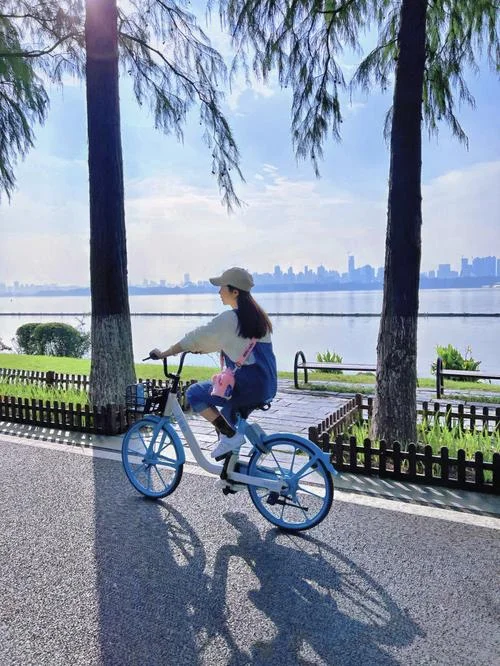
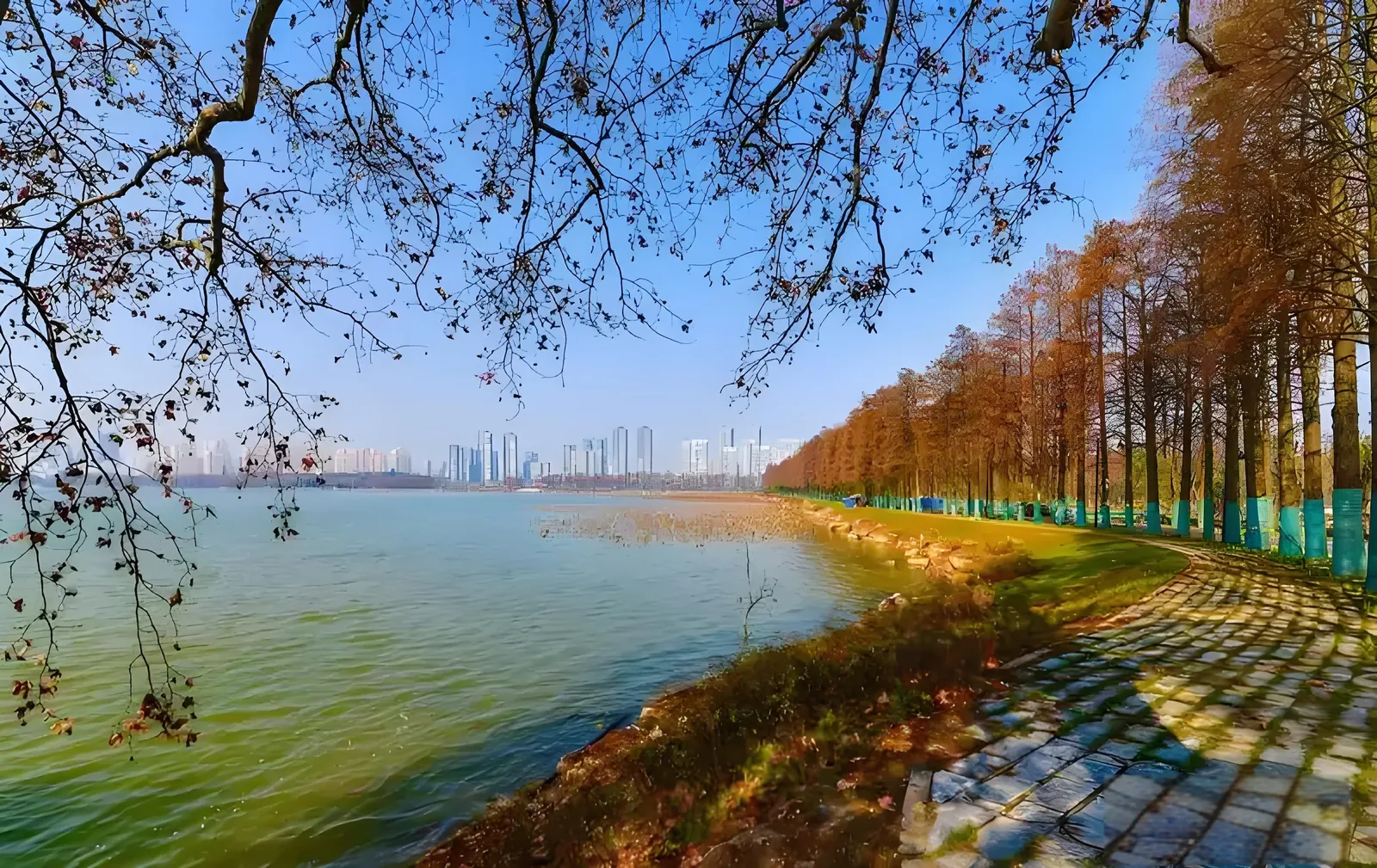
On any decent weather weekend, the cycling path around East Lake has a constant stream of riders: some on shared bikes pedaling slowly with a friend, others on actual road bikes in lycra looking serious. The full loop is about 25 kilometers, which takes most people two to three hours with stops. The western sections near the Cherry Blossom Garden get crowded. The eastern paths quieter.
There are stretches where the lake appears through the trees on your right and you can see the water gleaming between branches. Somewhere around kilometer fifteen there’s a little food cart selling grilled tofu and cold noodles. You stop, eat, keep going.
Boating is another option but requires more planning and money. Pedal boats at around 100 yuan for forty minutes, the kind with steering wheels that don’t quite work. Everyone ends up spinning in circles and laughing.
The coffee shop circuit
Wuhan went from having a few local coffee shops to having hundreds in about five years. Every neighborhood now has at least one decent third-wave place, and every young person in Wuhan has opinions about which one is best.
The typical Saturday afternoon plan involves picking a neighborhood (Jianghan Road, Optics Valley, or the side streets of Hankou) and cycling through coffee shops. Not spending money at all of them. Just sitting for two hours, ordering one drink, maybe reading phones in companionable silence, then moving on to the next place for lunch.
This is called da ka, literally “punching the clock.” You visit a place, mark it as visited, move on. It’s not about the coffee. It’s about having somewhere to be with your friends that isn’t someone’s apartment or the same restaurant you go to every week. Where the drinking actually happens is in Wuhan Bars and Craft Beer: Where the City Drinks After Dark.
The great outdoors (sort of)
When someone says they’re going camping this weekend, they usually mean one of two things.
Actual camping involves a tent, sleeping bags, and a drive of one to two hours to somewhere outside the city (the mountains near Huangpi or the lake areas east of Ezhou). Then comes a Saturday night spent around a fire, drinking, eating grilled meat, and lying on the ground looking at actual stars, something you can’t do in the city.
“Glamping” is the version closer to home. Riverside parks along the Yangtze have designated camping areas where you show up, rent a tent from the site, order food delivery to the park entrance, and sit in a folding chair pretending you’re outdoorsy. The tent is already set up when you arrive. The portable speaker is playing lo-fi hip-hop. Someone brought a projector and is showing movies against a white sheet tied between trees. This is peak Wuhan weekend.
Cycling groups leave from the city most Saturday mornings at seven AM, earlier than most young people would tolerate, but dedicated enough riders exist. They ride out to the countryside, stop for breakfast at a village restaurant, ride back. Forty to sixty kilometers round trip, home by lunch, exhausted and satisfied.
Indoor choices for bad weather
Wuhan summers kill any outdoor plan by ten AM, and winters make you want to stay inside until March. Options exist.
Escape rooms took over about three years ago. Every commercial building has at least one location on an upper floor. Prices range from 60 to 120 yuan per person. The themes range from horror to mystery to comedy, and the difficulty scales accordingly. A good group does two in one afternoon (one scary, one funny).
KTV remains a staple. Every young person in Wuhan has a “song,” the one performance piece they deliver every time. The rest of the group cheers or boos accordingly. Three hours is the minimum, and nobody leaves until someone is hoarse.
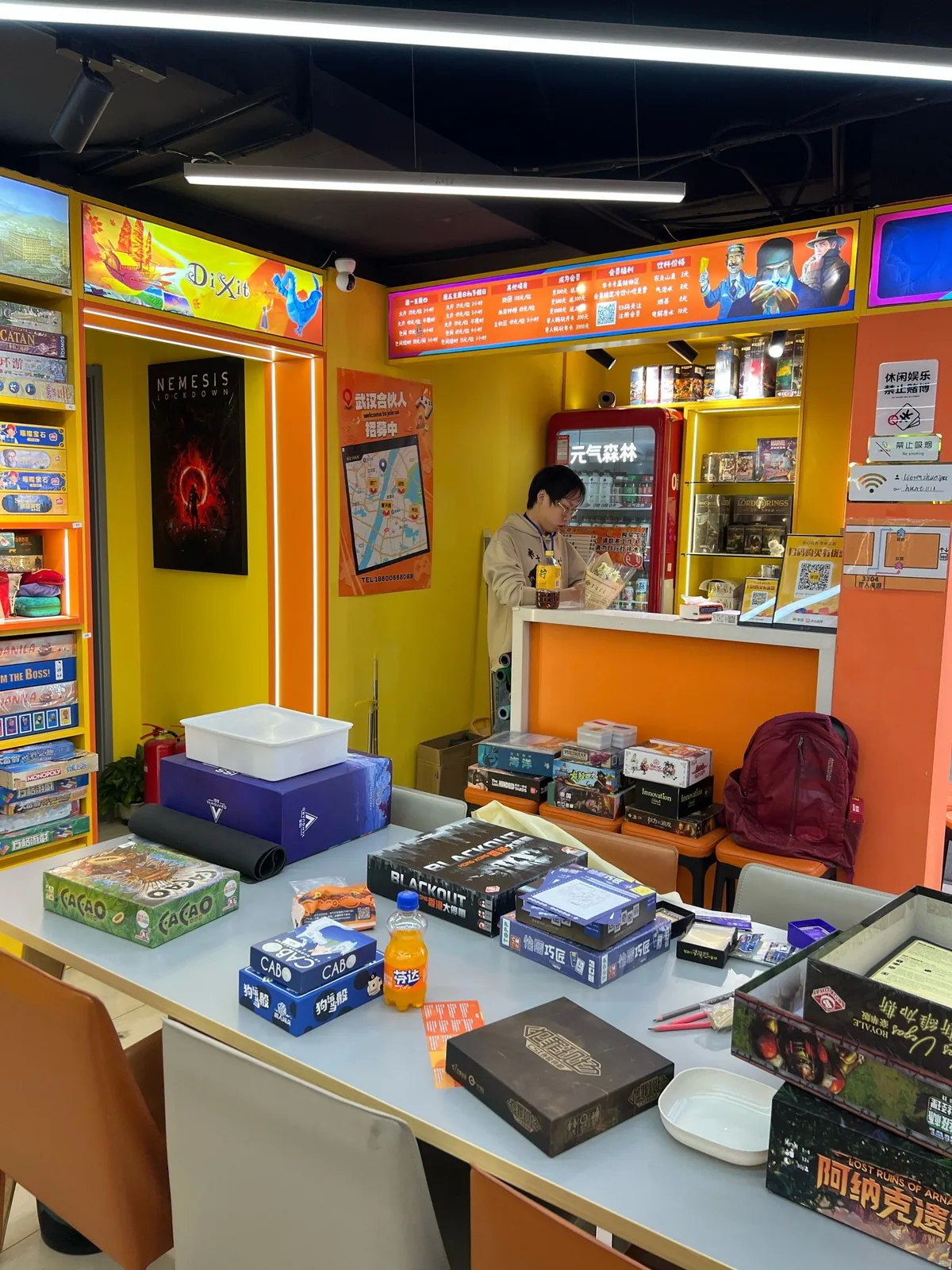
Board game shops are scattered around university areas. For 30 to 50 yuan you can spend five hours arguing over Werewolf rules with people you just met. The staff teach new games on request.
What gets you fed
No weekend is complete without at least one notable meal. The options form a spectrum:
The convenience move: grilled cold noodles, bubble tea, fried chicken from a convenience store chain. Good for when plans fall through and someone suggests “let’s just eat somewhere cheap and walk around.”
The group meal: hotpot, barbecue, or one of the infinite local restaurant options where you push tables together, order too many dishes, and fight over who’s paying. In Wuhan, the person who suggests the place usually doesn’t pay. The person who invited the most people pays, except when they don’t.
The solo date: finding a new restaurant that opened recently, reading reviews on Xiaohongshu, waiting in line for thirty minutes to try their special dish, taking photos, posting. Done correctly, this activity replaces all other activities for the entire day.
Saturday night is the main event
Everything above leads to Saturday night. The options narrow down.
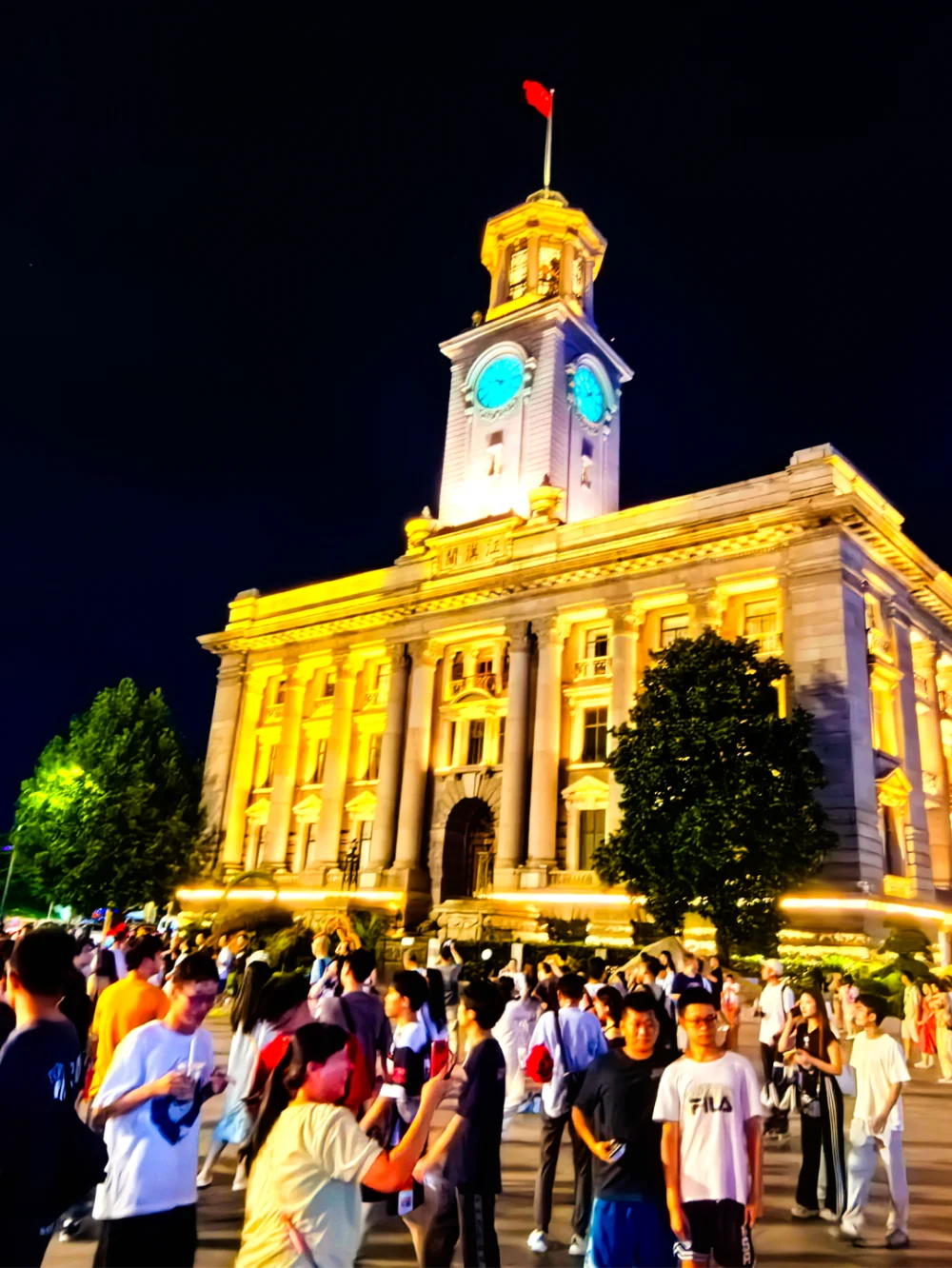
The Jianghan Road area lights up after dark. People crowd the pedestrian street, queue at popular restaurants, take photos with the European-style buildings lit warm yellow. Street performers occupy corners. Someone is always doing something loud and uninvited.
Optics Valley has a younger crowd. The shopping mall draws people for dinner and movies, then they disperse to nearby bars or back to someone’s place for the after-party. The area is a self-contained entertainment zone.
The lakeside bars near East Lake are quieter, more expensive, and attract a slightly older crowd. Colleagues meeting after work, dates, small groups of friends wanting to talk without shouting. The atmosphere involves craft beer and unoriginal playlists.
Barbecue stalls don’t peak until after nine PM. The plastic chairs spread over half a sidewalk, a cloud of smoke and yelling, bottles of beer on the ground, meat on the grill. A group can eat and drink for three hours and spend less than 50 yuan per person. This is the cheap version of a good Saturday night. Afterward someone suggests “one more round” and the night extends past midnight.
Sunday morning recovery
Somewhere between sleeping in and feeling vaguely guilty about not being productive is the Sunday afternoon. A large number of young Wuhan residents use this time for grocery shopping, cleaning apartments, maybe going to a park if the weather’s nice. Some stretch the weekend with brunch at a western-style restaurant, ordering eggs benedict that arrives suspiciously fast.
By Sunday evening the group chat sends signals: tired already, work tomorrow, meet this weekend? Always. Same group, same question, different answers each time.
To actually do this
If you want a Wuhan weekend, find a local first: their friend group absorbs you into plans somehow. Go to East Lake on a Saturday morning, walk through some lifang alleyways in Hankou on Sunday afternoon, eat barbecue on Saturday night. Repeat until Monday.
It’s not that complicated. It doesn’t need planning; that’s kind of the point.