
Wuhan doesn’t drink like Shanghai
If you’ve been to bars in Shanghai or Beijing, you have a mental picture: sleek cocktail lounges with mixologists who studied in Tokyo, craft beer bars with 30 taps and tasting notes on blackboards. Wuhan has some of that now, but it arrived late and never became the main event.
What Wuhan does better is volume. Not craft beer volume. People volume. The drinking culture here is communal and loud. You don’t go to a bar to sip and contemplate. You go because your coworkers finished a project, or your friend is leaving town, or it’s Tuesday and the crayfish is cheap. You order bottles, not glasses. You toast constantly. You leave when the staff starts stacking chairs.
I’ve been drinking in this city for 18 years. I’ve watched the scene change from “every bar is a KTV lounge with bad wine” to something that actually has range. Here’s where to go.
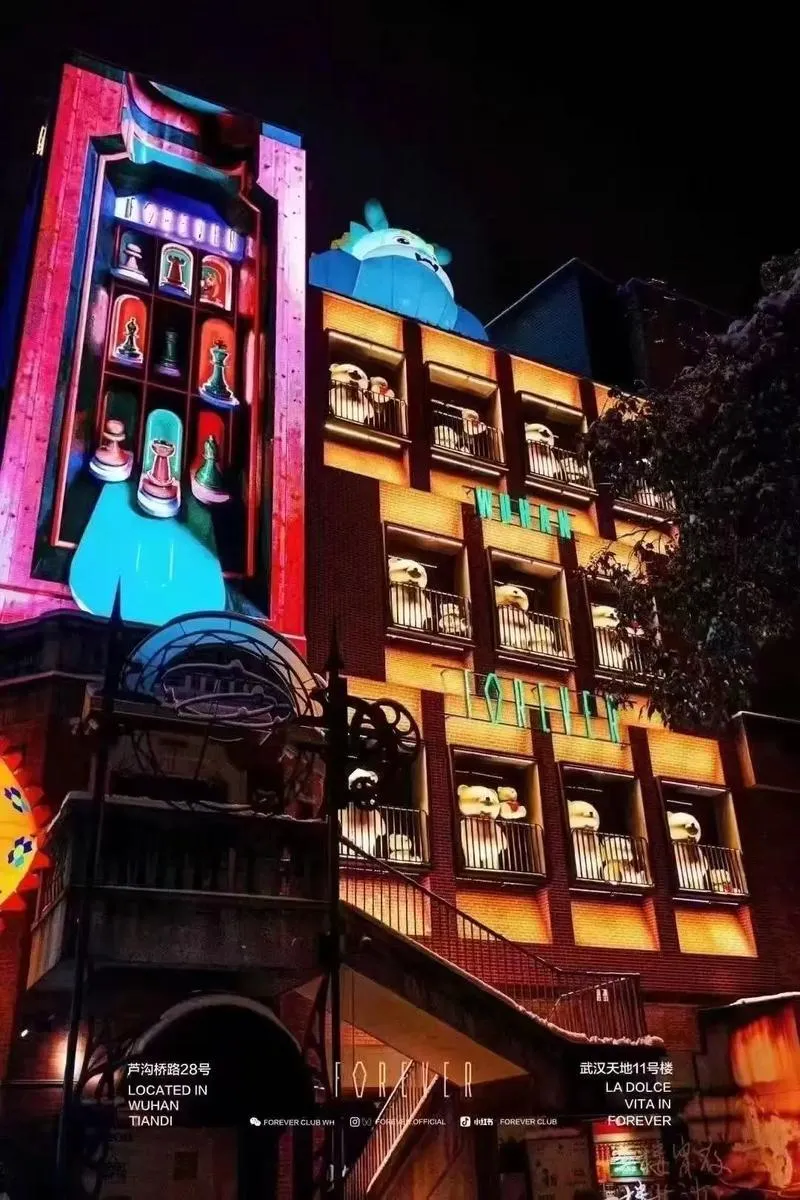
Wuhan after dark: the bar streets wake up when the restaurants close.
The three drinking districts
Wuhan’s bar scene is split across three neighborhoods, and each one has a different personality, so you need to know which one fits your night before you pick a place.
Hankou: the old money
Hankou is where the colonial architecture is, and it’s where the oldest bar streets are. Two areas matter here.
Jianghan Road area (江汉路). The streets running parallel to Jianghan Road have been the default drinking district for Hankou since the early 2000s. The bars here are a mix. Some are clubs with bottle service and DJs, some are smaller places with live music, and some are the old-school Chinese bar style where you sit in a booth, order a bottle of whiskey, and a staff member pours for you all night. The clubs are loud and expensive. The smaller places are where you find character.
What you’ll pay: 80-150 yuan for cocktails, 40-60 yuan for a craft beer, 300-500 yuan for bottle service at a club.
Who it’s for: People who want to dress up and want club energy and a proper cocktail.
Lihuangpi Road (黎黄陂路). This is the quieter, more atmospheric option. Lihuangpi runs through the old concession area, and several of the bars and cafes are in renovated 1920s buildings. It’s the closest thing Wuhan has to a Shanghai “lifestyle” street. The crowd is older, the music is lower, and you can actually hear the person next to you.
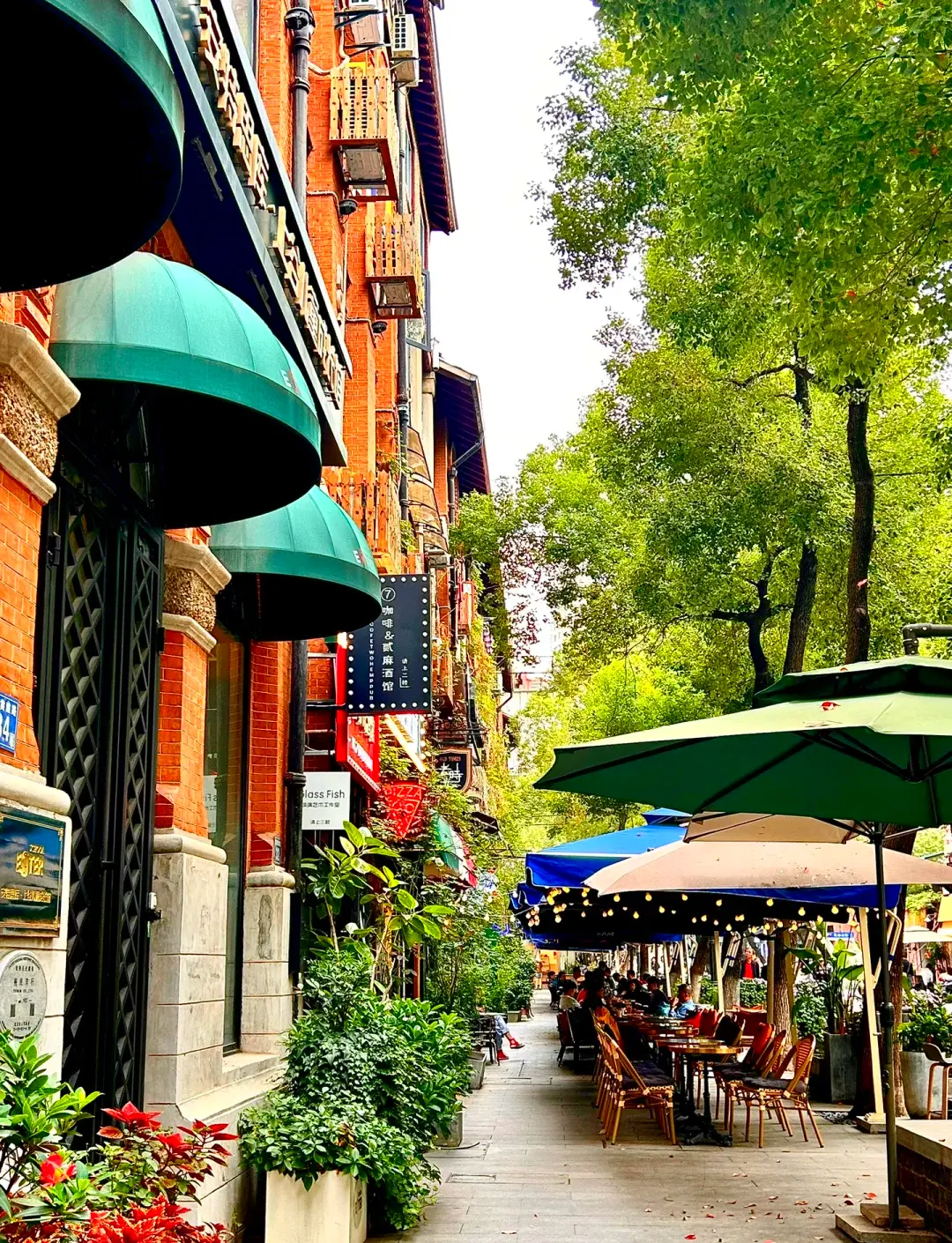
Lihuangpi Road in Hankou: bars in renovated colonial-era buildings, the closest Wuhan gets to a Shanghai lifestyle street.
Wuchang: the craft beer and live music
Wuchang is the university and culture side of the river. The bars here are cheaper, younger, and more interesting. Two streets anchor the scene.
Tanhualin (昙华林). This is a narrow street running through the old Wuchang town, lined with renovated old houses, small cafes, and bars. It’s been gentrifying for 15 years and is now firmly a “creative district.” The bars here are small, 20-40 seats, and they specialize in craft beer and cocktails at student-friendly prices. The crowd is mixed: university students, artists, the occasional foreign English teacher.
What you’ll pay: 35-50 yuan for a craft beer, 60-80 yuan for a cocktail; no bottle service, no table minimums, and you order at the bar.
Who it’s for: People who want to talk, drink craft beer, and sit outside without spending much.
Hongshan area / Vox vicinity. Vox Livehouse is the center of Wuhan’s punk and indie scene, and the bars around it serve the same crowd. These are not craft beer bars. They are cheap beer, loud music, and sticky floor places. If you want to drink a 15 yuan Yanjing and talk to a 22-year-old art student about post-punk, this is where you go.
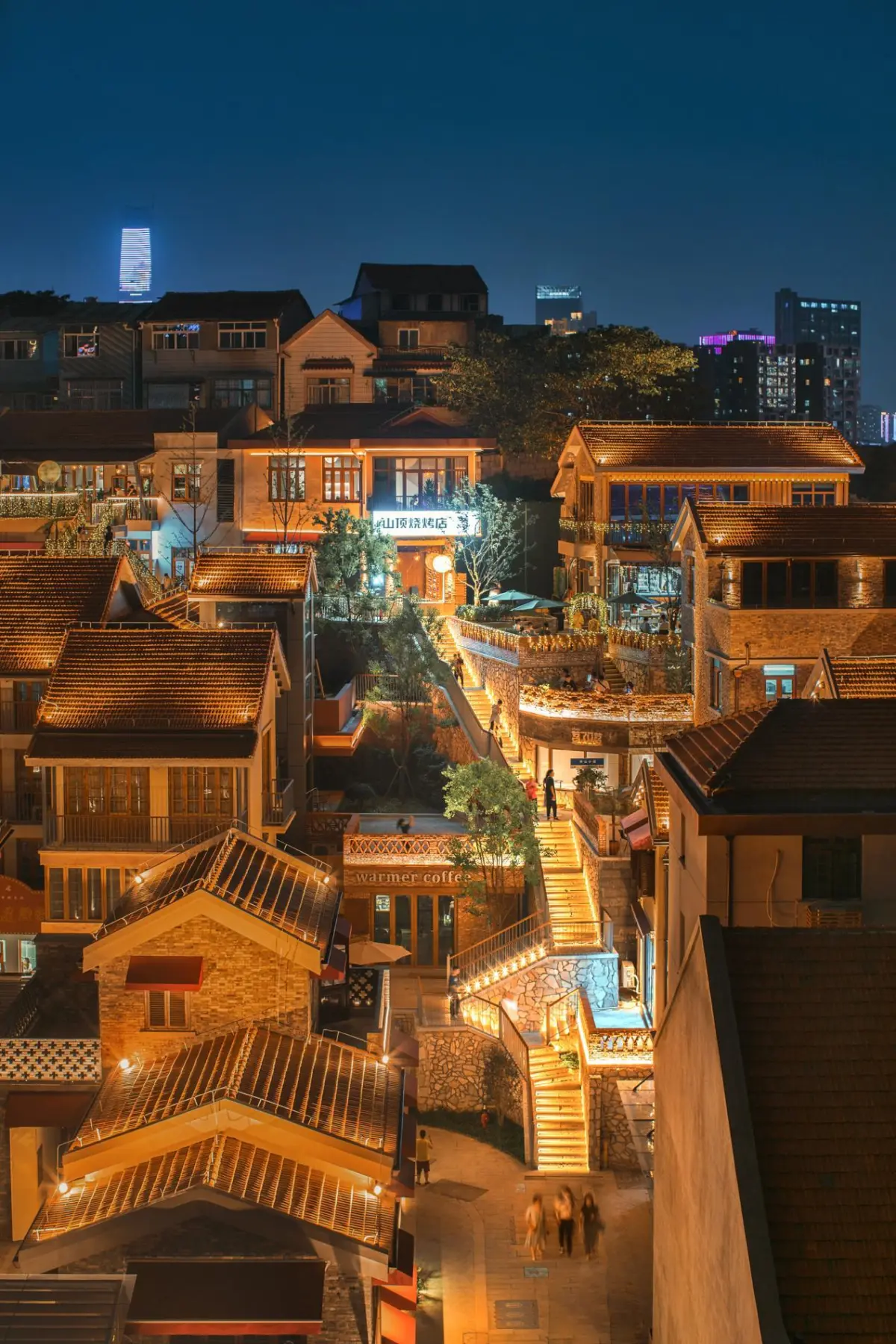
Tanhualin street in Wuchang: 20-seat bars, craft beer taps, and students sitting on doorsteps.
Guanggu: the student pubs
Guanggu, the Optics Valley area, is Wuhan’s tech district and university zone. The bars here serve students and young tech workers. The scene is more “pub” than “bar” in style, with Western-style decor, sports on TV, and cheap draft beer.
The main strip is along Guanggu Pedestrian Street (光谷步行街), which is also a night market after 8 PM. The bars and the food stalls share the same street. You can eat skewers, drink a draft beer, and then go to a bar for a second round, all within 100 meters.
What you’ll pay: 20-30 yuan for a draft beer, 40-60 yuan for a cocktail, 100-150 yuan per person if you stay all night.
The craft beer scene
Nothing here was brewing a decade ago. The first proper craft beer bar opened around 2015. Before that, your options were Snow Beer, Yanjing, or Tsingtao, all lagers, all served ice-cold, all tasting approximately the same. The night markets still run on those beers, and they work fine for that context.
But if you want something with actual flavor rather than another cold lager, here’s where to find it.
18 Hao (18号精酿)
The oldest craft beer bar in Wuhan, located in the Wuchang area near Hankou University. 18 Hao has 12-15 taps, mostly domestic Chinese craft breweries like Panda Brew, Boxing Cat, and some local Hubei producers. They also pour their own house IPA, which is aggressively hopped and unapologetically bitter. The space is small, dark, and decorated with beer caps and posters. The owner is a Wuhan native who learned brewing in Chengdu and came back to open this place.
What to order: The house IPA (45 yuan) or a flight of four 100ml samples (60 yuan). If they have a seasonal stout on tap, get it.
Brew Bear (熊酿)
A newer place in the Hankou area, near Jianghan Road. Brew Bear has a larger space, 20 taps, and a kitchen that serves surprisingly good burgers and fries. The beer selection leans toward imported European styles: German hefeweizens, Belgian tripels, British porters. It’s the closest thing Wuhan has to a proper gastropub.
What to order: The Belgian flight (80 yuan for four samples) and the burger (55 yuan). The owner imports hops directly and does occasional collaboration brews with bars in Shanghai.
Small Tap (小龙头)
Hidden on a side street near Tanhualin, Small Tap is a 15-seat bar with 8 taps and a refrigerator of imported bottles. It’s run by a woman named Liu who worked at a brewery in Beijing for three years before moving back to Wuhan. She knows more about beer than anyone I’ve met in this city. Ask her about it and she’ll talk for an hour. The tap list changes weekly. If you want to know what’s good, sit at the bar and ask.
What to order: Whatever Liu just put on tap. Usually 40-55 yuan per pint.
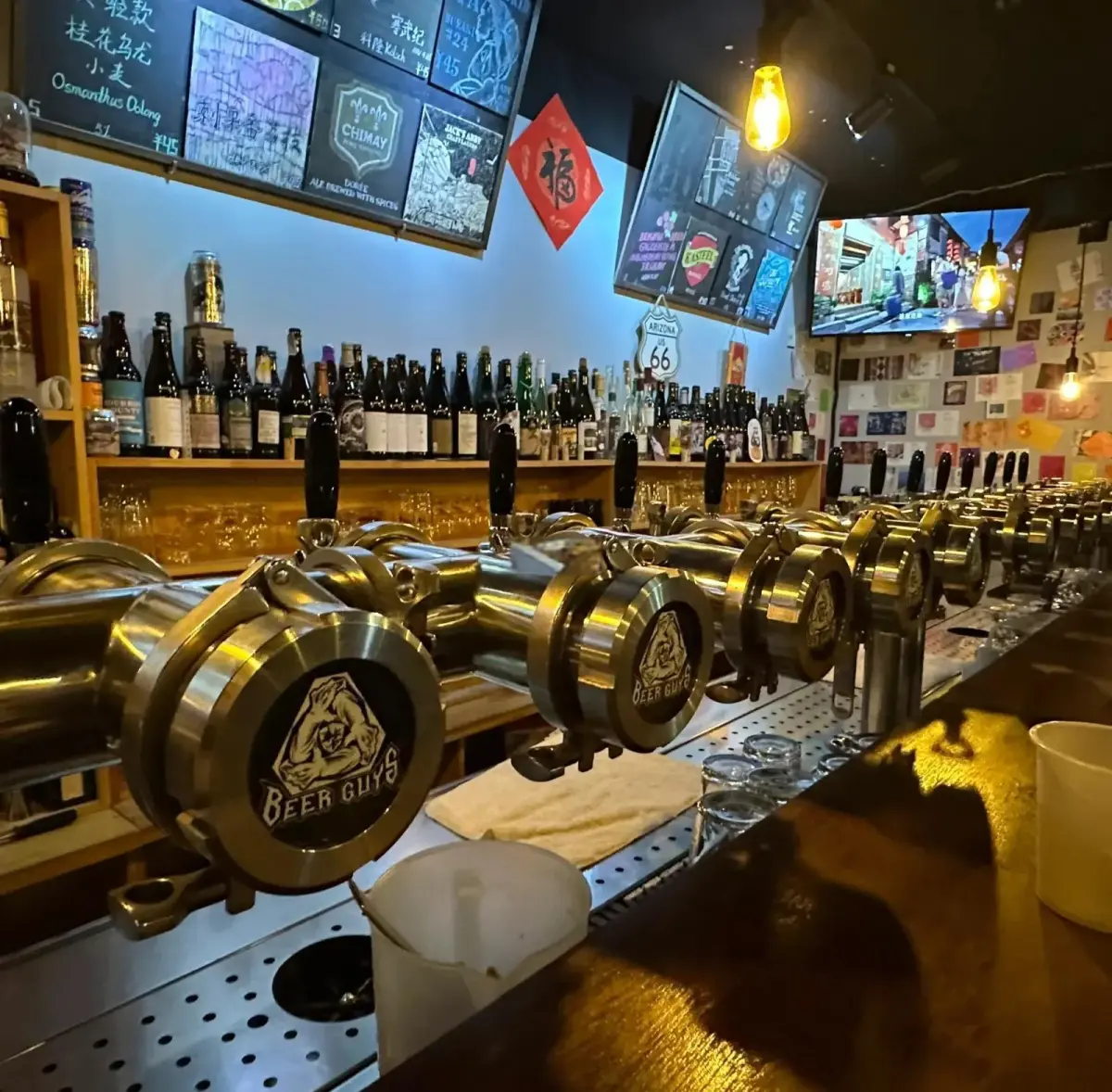
Inside a Wuhan craft beer bar: domestic taps, chalkboard menus, and a 15-seat counter.
What Wuhan drinks
The default beer in Wuhan is Snow Beer (雪花). It’s a light lager, 2.5% ABV, costs 5 yuan at a night market, and tastes like carbonated water with a vague suggestion of grain. Nobody drinks it for the flavor. They drink it because it’s cold, cheap, and you can drink eight of them without noticing.
Yanjing (燕京) and Tsingtao (青岛) are the step-up options. Both are still lagers. Tsingtao has slightly more character. Yanjing is what you buy when you’re in a group and someone says “just get a crate.”
The local beer is Jinpa (金马), brewed in Wuhan since the 1980s. It’s a malty lager, darker than Snow, with a slightly sweet finish. You don’t see it in bars much. You see it at sidewalk restaurants and night markets, sold by the bottle for 6 yuan. It’s the beer I associate with summer in Wuhan: sitting on a plastic stool, eating crayfish, sweating through my shirt, drinking Jinpa from a bottle that’s been in a bucket of ice.
For craft beer, the scene is almost entirely domestic. Chinese craft breweries like Panda Brew (熊猫精酿), Boxing Cat (拳击猫), and Great Leap (大跃) have all made it to Wuhan’s taps in the last five years. Imported craft beer exists but is expensive (80-120 yuan per bottle) and not worth it when the domestic options are half the price and nearly as good.
How Wuhan drinks
The drinking culture here has rules that nobody will explain to you. You learn them by getting them wrong.
Toasting is mandatory. If you’re at a table with other people, you don’t drink alone. You catch someone’s eye, raise your glass, say “gan bei” (干杯, “dry cup,” meaning “drink it all”), and they drink with you. If someone toasts you and you don’t respond, it’s rude. If you toast the table and one person doesn’t join in, that’s fine. But you keep doing it.
Baijiu changes everything. At a Chinese dinner gathering, the hard liquor is baijiu (白酒), a clear spirit distilled from sorghum, usually 38-53% ABV. If the host orders a bottle of baijiu, the tone of the evening shifts. You’re not drinking for pleasure anymore. You’re drinking for obligation. The toasts come faster and the pours are bigger. If you can’t handle baijiu, say so early and stick to beer. “我喝啤酒就行” (“I’ll just have beer”) is an acceptable excuse. Nobody will push it too hard.
The check is split unevenly, because nobody does separate checks in Wuhan. One person pays the whole bill. It’s usually the person who invited the group, or the oldest person, or the person making the most money. Next time, it’s someone else’s turn. If you try to split the bill evenly, people will get uncomfortable. Just let someone pay and get the next one.
Late nights are normal. Bars in Wuhan stay open late. The craft beer bars close around midnight, but the clubs and KTV lounges go until 3 or 4 AM. The student pubs in Guanggu close when the last customer leaves, which can be 2 AM on a weekend. There’s no last call. The staff will start cleaning up around you.
Practical guide
| Budget | 100-200 yuan per person for a night of craft beer; 50-100 yuan for student pubs; 300+ for clubs |
|---|---|
| Payment | Alipay and WeChat Pay everywhere. Bring cash for night market bars that don’t have POS. |
| Best night | Friday and Saturday. Thursday is the best value (fewer crowds, same prices). |
| Dress code | Hankou clubs: smart casual. Wuchang bars: whatever you want. Guanggu: literally whatever. |
| Getting home | DiDi (Chinese Uber) works all night. Metro closes at 10:30 PM. After that, taxis or DiDi. |
| Safety | Wuhan is safe at night. The main risk is drunk e-bike riders. Watch for motorcycles on side streets after midnight. |
| Language | Cocktail menus in Hankou often have English. Craft beer bars sometimes have English beer names. Student pubs rarely do. Translation app essential. |
If you only have one night
Go to Tanhualin. Start at Small Tap, drink whatever Liu just put on, then walk the street and pick whatever bar has a seat open. Eat at one of the noodle shops on the side streets if you get hungry. End the night walking back through the old Wuchang town, which is quiet and dark and smells like jasmine from the trees that line the street.
If you want the full Wuhan drinking experience in one night, that’s it. Good beer, good conversation, cheap enough that you won’t worry about the bill, and a walk through a part of the city that looks nothing like the tourist photos.
Found a bar I missed? Have a favorite tap? Email me and I’ll check it out.
Related:
-
Wuhan After Dark: Night Markets: the food version of after-dark Wuhan
-
Wuhan: The Punk Rock Capital of China: Vox Livehouse and the music scene that surrounds the bars
-
Wuhan’s Crayfish Summer: The Social Ritual: the food that drives the drinking culture
-
Wuhan in Summer: Surviving the Furnace City: why summer nights are the only nights that matter
-
Jianghan Road Pedestrian Street: the shopping street the bars sit behind
-
Hankou’s Bund: The European Quarter: the neighborhood Lihuangpi Road runs through
-
Is Wuhan Safe? A Local’s Honest Guide: what the city is like at 2 AM
-
Where to Stay in Wuhan: which neighborhood to base yourself in for nightlife
-
3 Days in Wuhan: A Local’s Itinerary: how to fit bars into a short trip
-
Wuhan Optics Valley: China’s Optical Tech Hub: the Guanggu area explained