
The last thing you’d expect
I was at a noodle stall on Jiefang Avenue one night in 2012, eating reganmian at 11 PM, when I heard something odd coming from a building across the street. A muffled bass line. Drum hits that didn’t sound like the usual pop music leaking from a shop speaker. Something raw and fast.
I asked the stall auntie what it was. She didn’t look up from the bowl she was washing. “Vox,” she said. “The kids go there to scream.”
That was my introduction to Wuhan’s punk scene. Not through a documentary, not through a think piece about Chinese youth culture. Through a noodle auntie who had long since stopped being impressed by the noise next door.
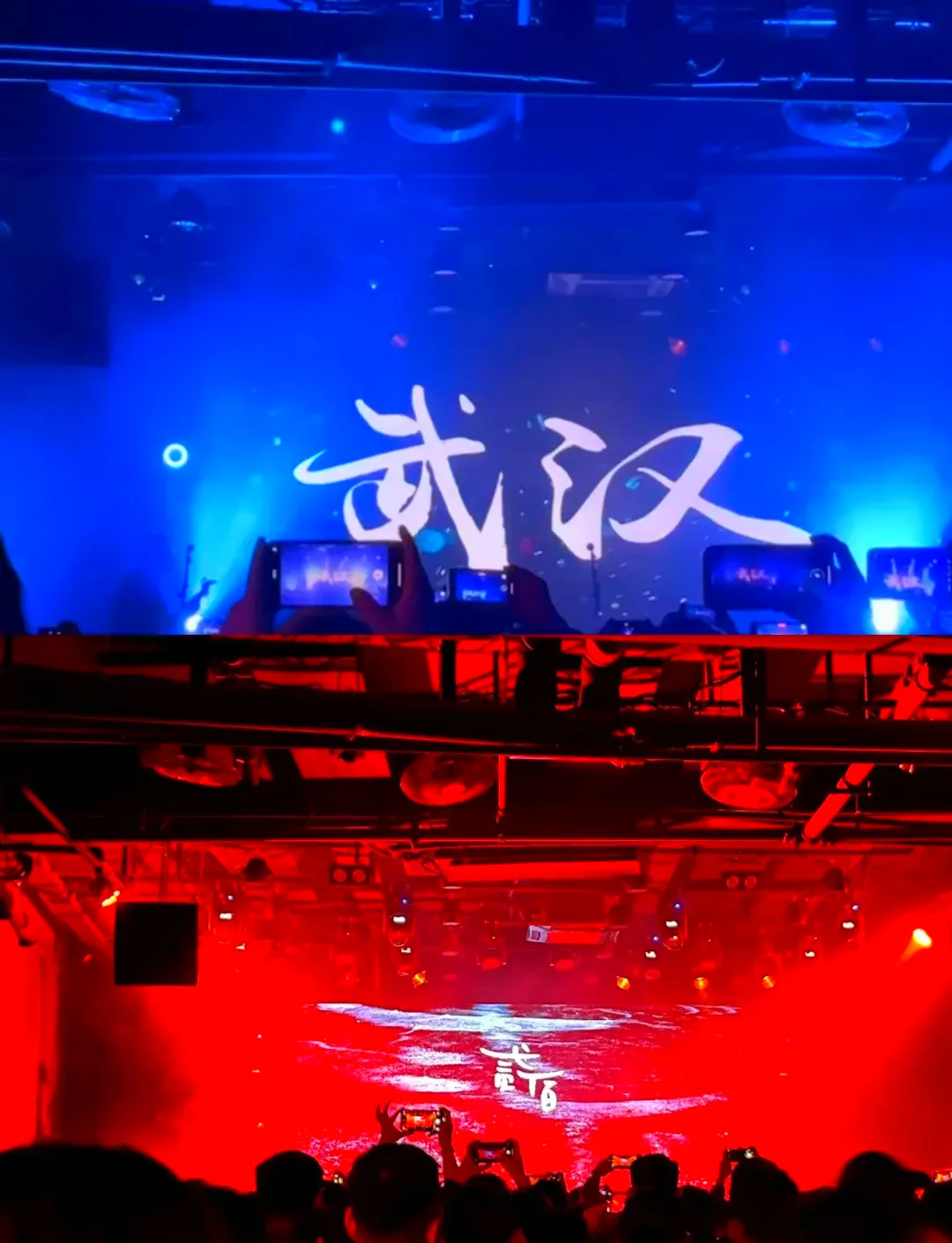
The entrance to Vox Livehouse in Wuchang. The kids go there to scream.
Wuhan is not a city people associate with music. Foreigners who have heard of Wuhan at all know it for the summer heat, the Yellow Crane Tower, or hot dry noodles. If they’re really well-informed, they know about the 1911 Revolution. Punk rock is the last thing on the list. And that’s exactly the point.
The band that started it
In 1996, a guy named Wu Wei started a band in Wuhan called SMZB. The name stands for Sheng Ming Zhi Bing, which translates roughly to “Slice of Life Pie” or “Life’s Pie.” They played fast, sloppy, three-chord punk in the style of the Ramones and the Sex Pistols, with Chinese lyrics about everything from government corruption to the joy of eating at street stalls.
SMZB was not the first band to play punk-style music in China. Bands in Beijing were experimenting with similar sounds around the same time. But SMZB was the first to commit fully to the aesthetic and the attitude, and they were the first to build a sustained scene around it. By the early 2000s, music journalists in China and abroad had started calling Wuhan “the punk rock capital of China.” The label stuck.
I never saw SMZB play in their prime. I arrived in Wuhan in 2006, by which point the band was already a decade old and mostly playing to dedicated crowds. But I’ve talked to people who were there in the late 90s, and the story they tell is consistent: nobody trained them, nobody signed them. They heard punk on bootleg tapes and CDs, picked up instruments, and started playing in basements and cheap rehearsal spaces near the university district in Wuchang.
It makes sense when you know the city. Wuhan has always been a city of loud, direct, slightly aggressive people. The dialect sounds like arguing even when people are being friendly, and the food is heavy, oily, and covered in chili. The summer heat makes everyone irritable for four months straight. If punk was going to emerge anywhere in China, it was going to be here.
Why Wuhan, not Beijing?
This is the question every music journalist asks. Beijing had the recording studios, the record labels, the foreign journalists who could write about the scene in English. Beijing had Cui Jian, the godfather of Chinese rock, since the late 1980s. Why did punk take root in a second-tier city most foreigners couldn’t find on a map?
The answer is universities. Wuhan has more university students than almost any city in China. Over a million students across dozens of universities and colleges, concentrated in two main areas: the Guanggu corridor in Wuchang and the Huangjiahu area further south. Students mean cheap rent, cheap beer, surplus energy, and a population of young people far from home who are looking for something to belong to.
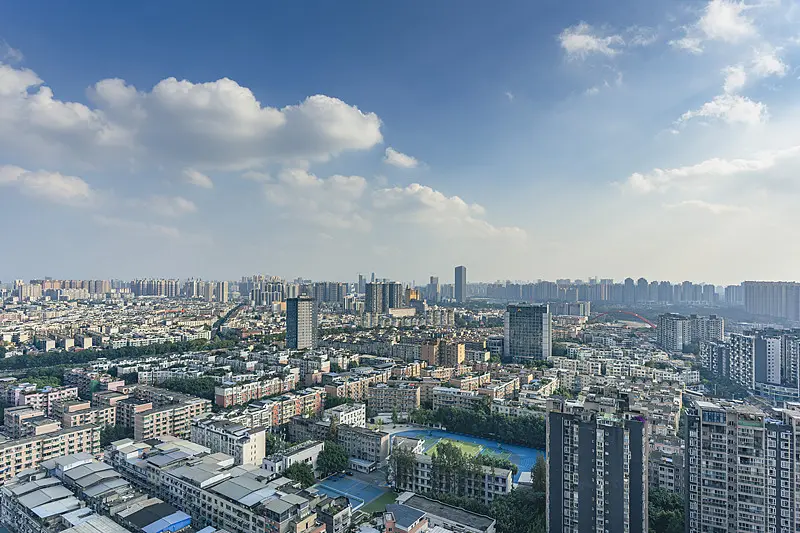
Wuchang’s university district. Over a million students, cheap rent, and nothing to do on a Friday night.
Beijing’s punk scene was always more self-conscious. Bands in Beijing knew they were being watched by foreign media and record labels, and the music reflected that awareness. Wuhan’s scene didn’t care. There was nobody watching. Nobody from a label was going to travel 1,000 kilometers south to sign a band that played in a room above a noodle shop. The bands played for each other, for the fifty or hundred kids who would show up on a Friday night, and for the pure, unmarketable thrill of making noise.
The cheap rent mattered too. In 2000, you could rent a two-bedroom apartment near Wuchang’s university district for 300 yuan a month. Split four ways among band members, that was nothing. Rehearsal spaces cost 10 yuan an hour. A bottle of local Snow Beer was 2 yuan, so you could run a band on almost nothing.
Vox: the room where it happened
The physical center of Wuhan punk was Vox Livehouse. It opened in 2001 on Guanshan Avenue in Wuchang, a narrow street lined with cheap restaurants and shops catering to the university population. The venue was small. Maybe 200 people if you packed them in. The stage was barely elevated, maybe a step or two. The sound system was adequate, not great. The walls were covered in band stickers and graffiti.
Vox was not a bar that happened to host music; it was a music venue that happened to serve beer. The difference matters. Bars in Wuhan make money on food and drink sales. They want customers sitting down, ordering food, staying for hours. Vox made money on ticket sales. 30 to 50 yuan at the door, and you could stand in a room watching four bands play 30-minute sets until midnight.
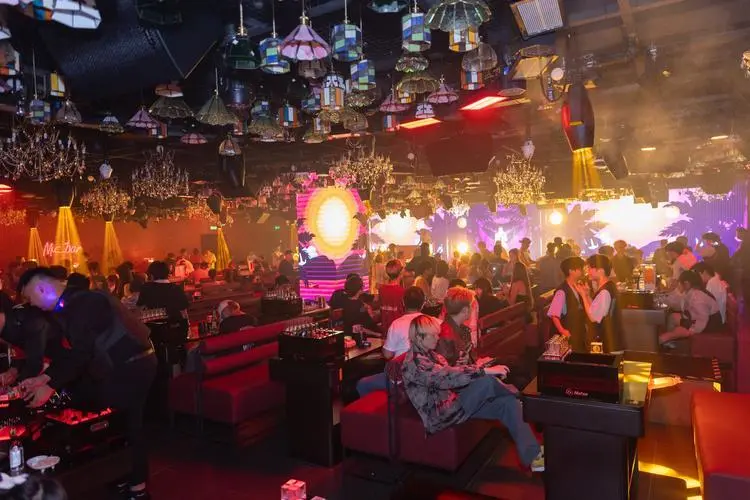
A Friday night at Vox. 30 yuan at the door, four bands, midnight cutoff.
I started going to Vox regularly around 2008. By then, the original SMZB crowd had aged out, but a new generation of bands had taken over. There were pop-punk bands that sounded like Green Day. Hardcore bands that sounded like Minor Threat. Ska bands. Emo bands. One memorable evening, a band that could only be described as “pirate metal,” complete with an accordion.
The crowds were mostly students. Engineering students from Huazhong University of Science and Technology. Art students from Hubei Institute of Fine Arts. Medical students from Wuhan University who had apparently decided that moshing was a good way to relieve exam stress. They smoked too much, drank cheap beer from glass bottles, and sang along to choruses in English they didn’t fully understand.
Nobody checked IDs. Nobody cared where you were from. You paid your 30 yuan at the door and you were in. That was the deal.
The city in the sound
People who write about Wuhan punk from the outside tend to focus on the political angle. “Chinese punk is a form of resistance against the state,” they say, as if every punk band in China is one step away from holding up a protest sign. That’s a Western projection. It tells you more about the journalist than the music.
The truth is simpler. Wuhan punk sounds like Wuhan. The songs are fast because the city is fast. The dialect is rapid-fire and blunt, and the music matches. The lyrics are about everyday life: riding the bus, eating breakfast, being broke, being bored, getting into arguments. The volume is high because Wuhan is a loud city. People shout. Motorcycles rev. Construction never stops. A punk show at Vox was just the city’s existing noise turned into music.
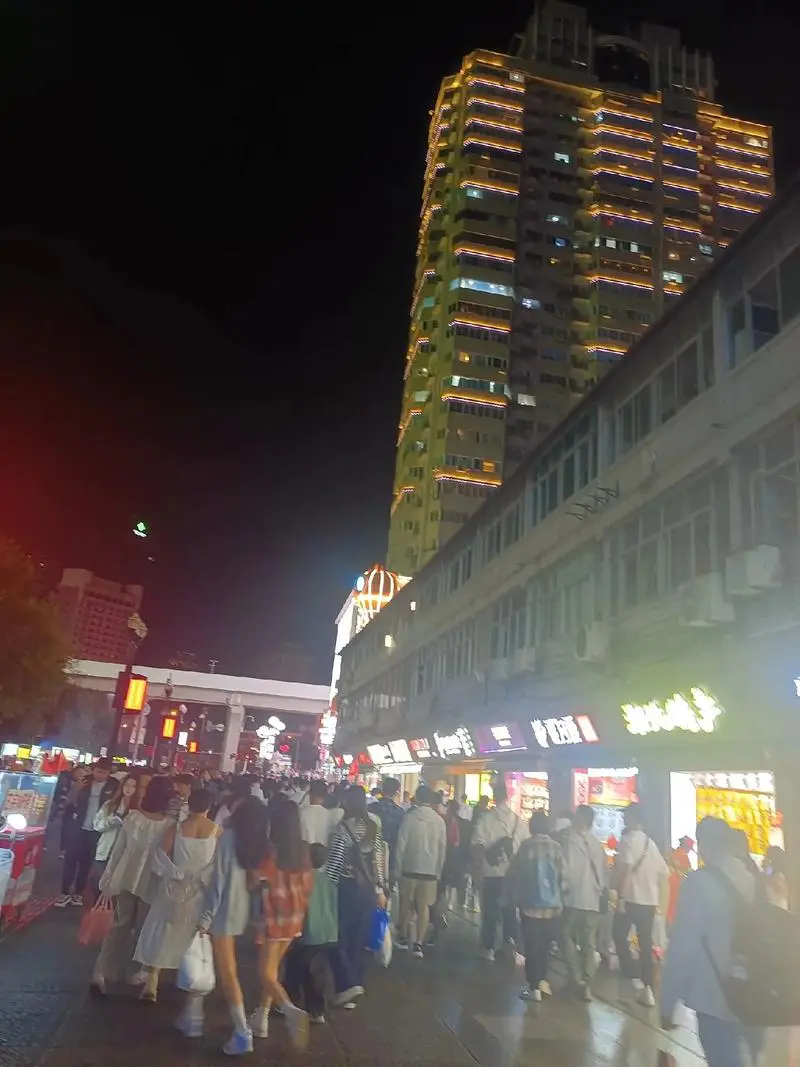
Wuhan after dark. The city’s noise, turned up.
There’s also something about the industrial character of the place. Wuhan was a steel town. Hanyang had one of the first modern iron works in China, built in the 1890s. The Hubei Provincial Museum has bronze bells from 2,500 years ago that were cast in this region. Loud, metallic sounds are what this city has produced for a hundred years. Punk showed up in Wuhan because the noise already fit.
What’s Left
Vox closed its original location a few years ago. The building was sold, the street was redeveloped, and the cheap restaurants that fed the scene were replaced by chain stores. A new Vox opened in a different location, but the geography changed. The university district gentrified. Rent went up. The 300-yuan apartments now cost 3,000.
The scene didn’t die. It moved online, moved to smaller venues, moved to house shows and university auditoriums. New bands still form. Some of them are good. Chinese Football, an emo band from Wuhan, has built a national following in recent years. But the late-90s conditions that made it possible, the cheap rent, the total lack of industry attention, the sheer number of bored students crammed into one district, don’t exist anymore.
I walked past the old Vox location last year. It’s a milk tea shop now. I stood there for a minute, trying to hear the bass line I’d heard from the noodle stall in 2012. I couldn’t. The auntie at the noodle stall across the street was still there, though. She’d expanded her menu.
I ordered a bowl of reganmian and it tasted the same.