
Forget the textbook
I watched a French tourist at a breakfast stall near my apartment last year. He had a phrasebook. He pointed to the phrase for “I would like to order, please” and read it out loud in careful, textbook Mandarin: “我想点菜,请帮忙。” The auntie stared at him. Nobody says that. Not at a breakfast stall, not anywhere in Wuhan. He might as well have been speaking French.
She waved him over to the vats of noodles, pointed at the reganmian, and held up one finger. He nodded. She gave him a bowl, and he paid with his phone. The transaction worked, but the language didn’t.
The problem with Chinese phrasebooks is that they teach you how to pass a language exam, not how to buy noodles. The sentences are grammatically correct and socially wrong. Nobody says “请帮忙” at a food stall, or “您好” to a taxi driver. The gap between textbook Chinese and street Chinese is wider in Wuhan than in Beijing or Shanghai, because Wuhan is less international, less accustomed to foreigners trying Chinese, and faster-paced.
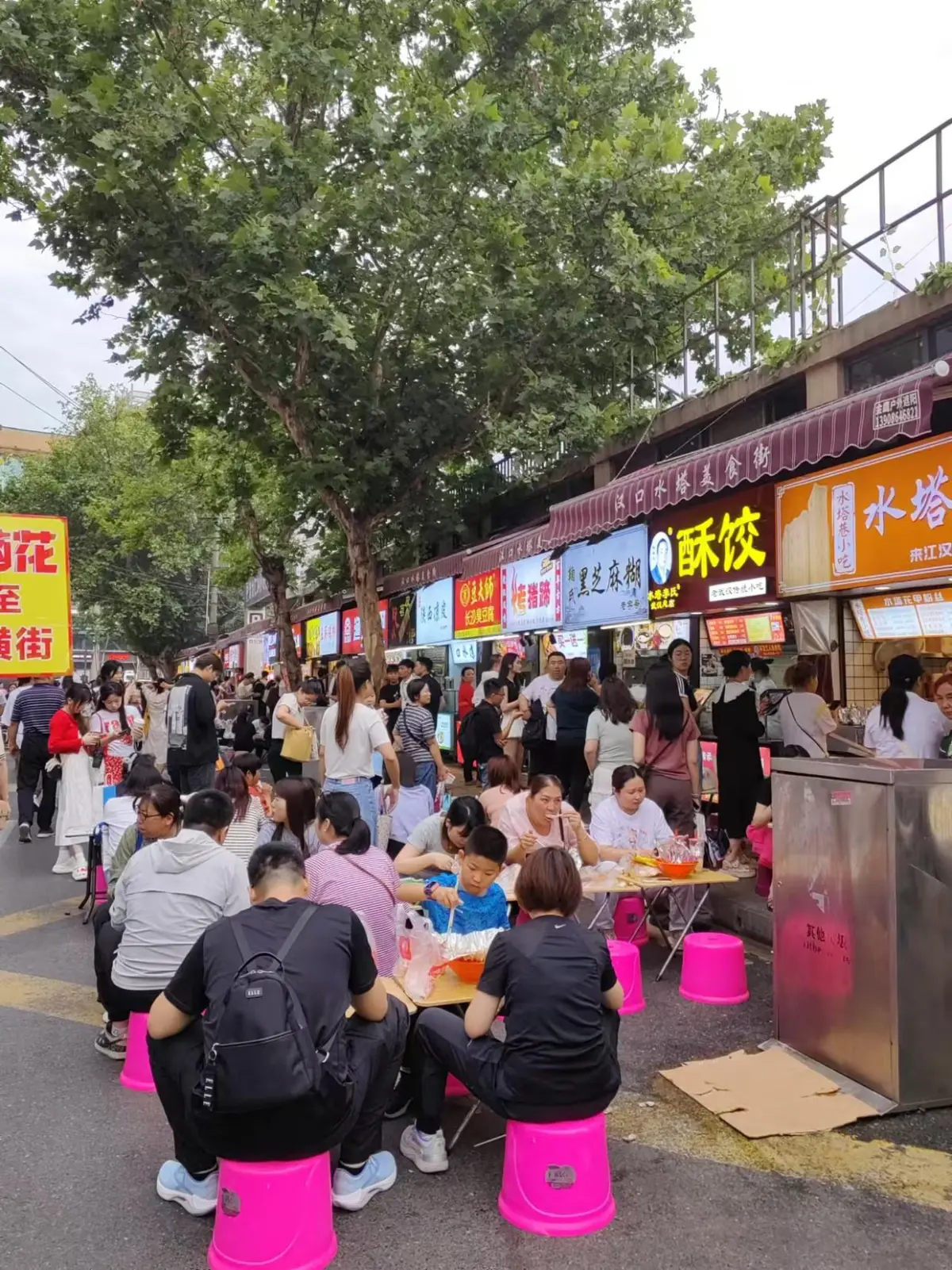
Every transaction in Wuhan starts with words. The textbook won’t help you here.
This is the guide I wish that French tourist had. Not a textbook. Not a cultural essay about Wuhan dialect. A list of phrases that work, in the situations you’ll actually be in, with notes on what to avoid.
The five words that save you
Before the full list, five words that will carry you through 80% of interactions in Wuhan. Memorize these and you’ll survive.
| Chinese | Pinyin | English | When |
|---|---|---|---|
| 过早 | guò záo | Breakfast / to eat breakfast | Any morning food stall |
| 多少钱 | duō shao qián | How much? | After any transaction |
| 谢谢 | xiè xie | Thanks | When someone helps you |
| 在哪里 | zài nǎ lǐ | Where is? | Looking for anything |
| 不要辣 | bú yào là | No spice | At any food stall (if you can’t take it) |
“Guo zao” is the one you need first. I’ve written about it before. It’s not Mandarin. It’s Wuhan dialect that everyone uses even in Mandarin conversation. Walk into a stall in the morning and say “guo zao” and the auntie knows you’re ordering breakfast, not asking a question. Say “zaofan” (the Mandarin word) and she’ll understand but it sounds foreign. “Guo zao” sounds like you belong.
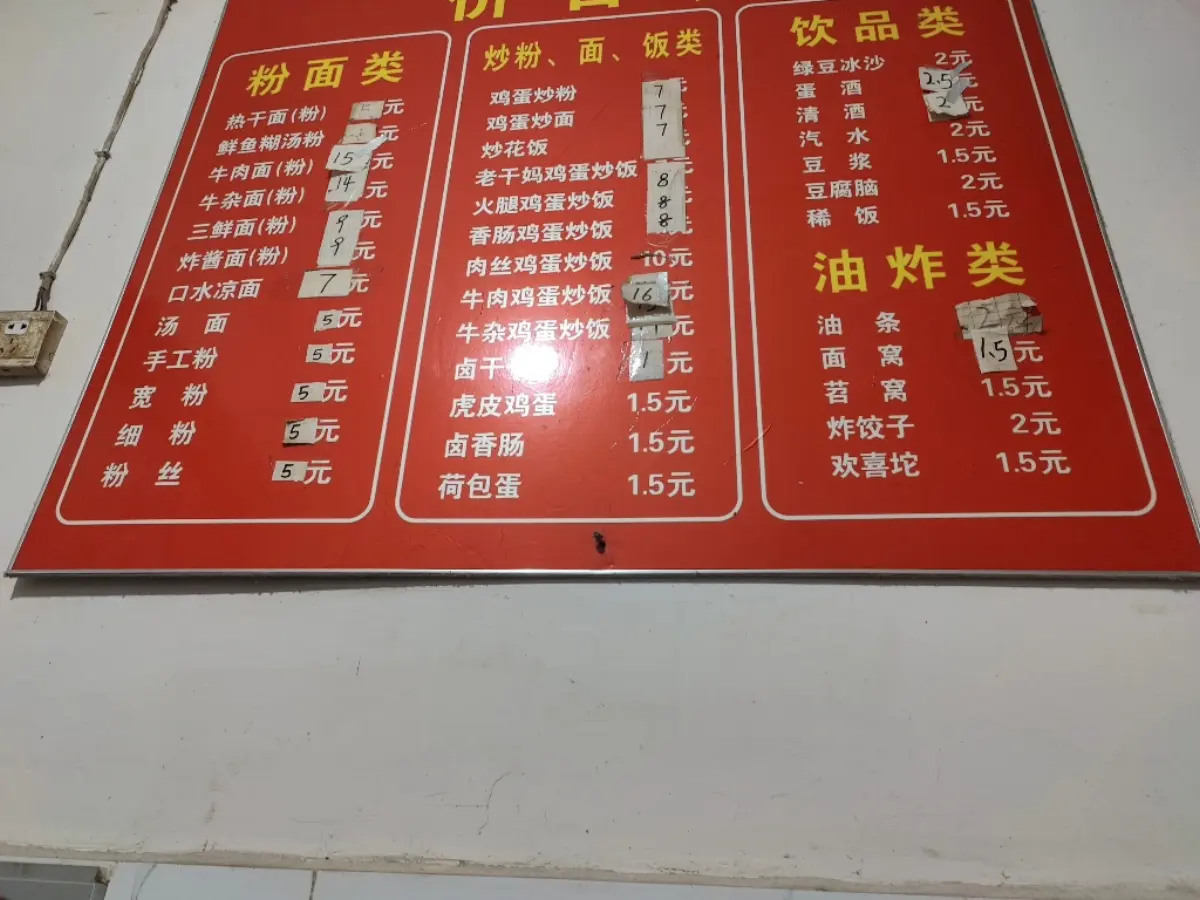
No English menu, no pictures, just characters and prices. Learn to read the important ones.
Ordering food
Food is where language matters most in Wuhan. The city eats four times a day, and most of those meals happen at stalls where there’s no English menu, no pictures, and no time to deliberate.
At a breakfast stall:
| Chinese | Pinyin | English | Notes |
|---|---|---|---|
| 过早 | guò záo | I’m here for breakfast | Say this when you walk in |
| 一碗热干面 | yī wǎn rè gān miàn | One bowl of hot dry noodles | The default order |
| 加辣 | jiā là | Add spice | If you want the full experience |
| 不要辣 | bú yào là | No spice | They’ll judge you, but they’ll comply |
| 打包 | dǎ bāo | To go | Wrapped for takeaway |
| 在这里吃 | zài zhè lǐ chī | Eat here | Sit-down |
At a restaurant:
| Chinese | Pinyin | English | Notes |
|---|---|---|---|
| 两个人 | liǎng ge rén | Two people | When the host asks how many |
| 点菜 | diǎn cài | Order food | Signal the waiter you’re ready |
| 买单 | mǎi dān | Check, please | Wave and say this |
| 开水 | kāi shuǐ | Boiled water | Free, always available |
| 米饭 | mǐ fàn | Rice | If you need a carb base |
The word you won’t find in phrasebooks: “岔的” (chà de). It means “no problem” or “sure, go ahead.” The waiter asks if you want to sit by the window. “Chà de.” The cook asks if you mind sharing a table. “Chà de.” It’s Wuhan dialect, used constantly in Mandarin, and saying it makes you sound local.
Getting around
Wuhan is a huge city spread across three districts. You’ll take taxis, you’ll ride the metro, and you’ll get lost.
In a taxi:
| Chinese | Pinyin | English | Notes |
|---|---|---|---|
| 去… | qù… | Go to… | Followed by your destination |
| 机场 | jī chǎng | Airport | Wuhan Tianhe Airport |
| 火车站 | huǒ chē zhàn | Train station | Specify: 武昌/汉口/武汉 |
| 地铁站 | dì tiě zhàn | Metro station | If you’re switching to metro |
| 多少钱 | duō shao qián | How much? | At the end of the ride |
| 停这里 | tíng zhè lǐ | Stop here | When you see your stop |
| 慢一点 | màn yī diǎn | Slower, please | If the driving scares you |
Asking directions:
| Chinese | Pinyin | English | Notes |
|---|---|---|---|
| …在哪里 | …zài nǎ lǐ | Where is… | Append any location |
| 怎么走 | zěn me zǒu | How to get there? | Follow-up question |
| 远吗 | yuǎn ma | Is it far? | Gauge walking distance |
| 左转 | zuǒ zhuǎn | Turn left | Giving directions to a taxi |
| 右转 | yòu zhuǎn | Turn right | Same |
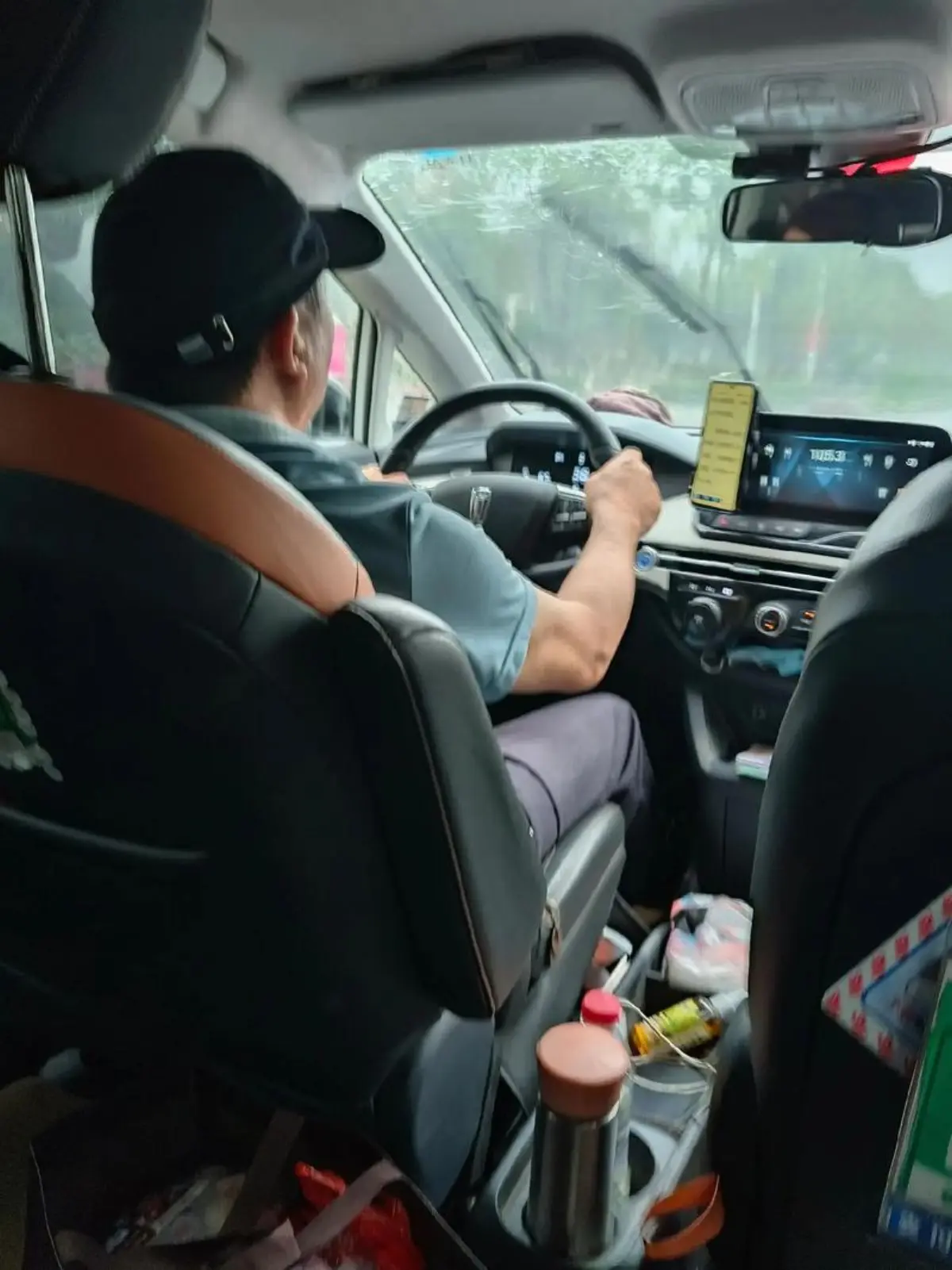
Taxi tip: have your destination written in Chinese characters on your phone. Addresses in Wuhan don’t follow a clean grid system, and “Jiefang Avenue” could be any of 15 kilometers of road. Show the driver the characters, say “qù” (go to), and let them figure it out.
Have your destination in Chinese characters ready; addresses alone won’t save you.
Paying
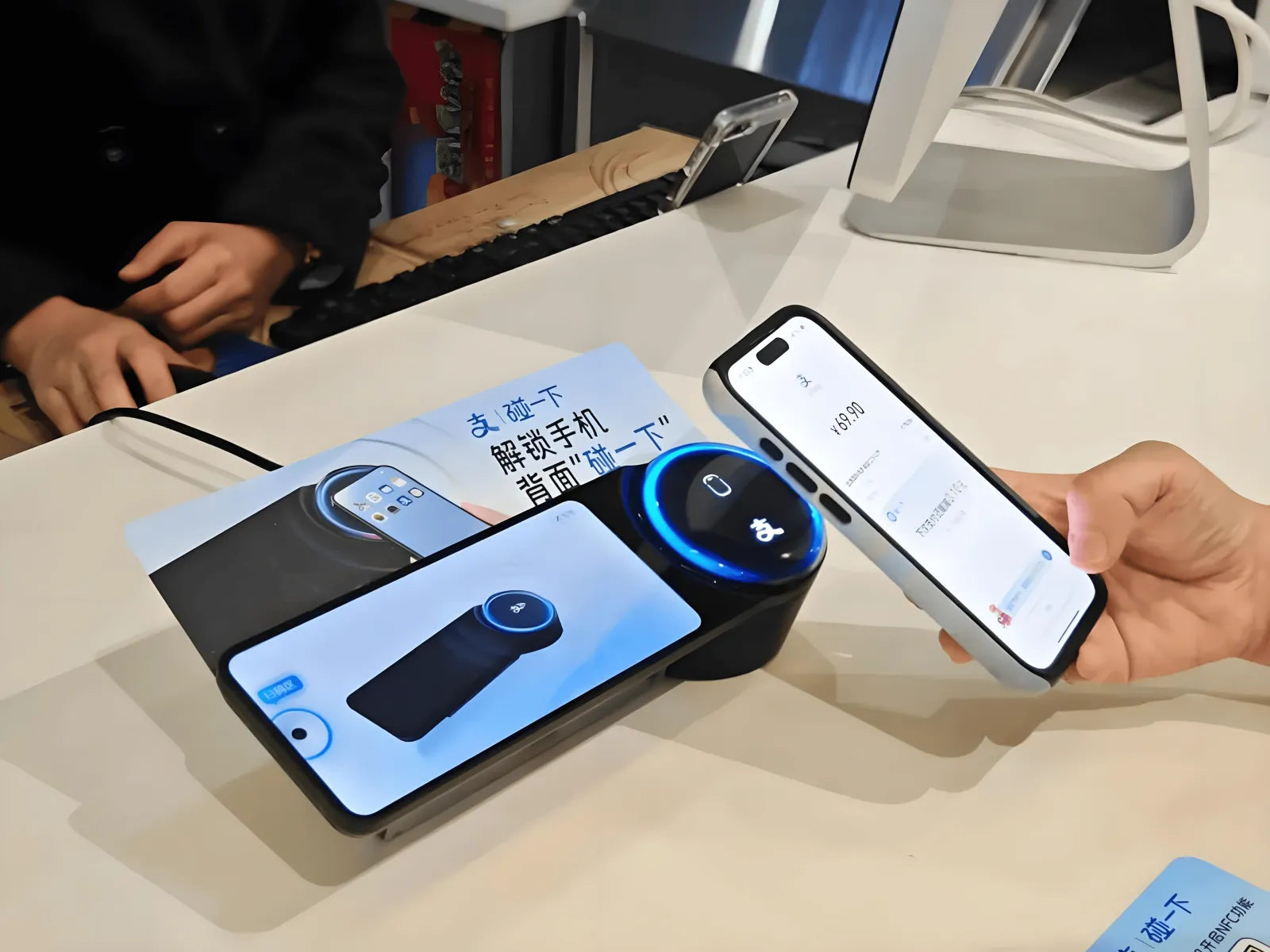
Cash is dead in Wuhan. Everyone pays with their phone. If you’re a foreigner, this is your biggest practical challenge.
| Chinese | Pinyin | English | Notes |
|---|---|---|---|
| 微信支付 | wēi xìn zhī fù | WeChat Pay | Most common |
| 支付宝 | zhī fù bǎo | Alipay | Second most common |
| 扫码 | sǎo mǎ | Scan the code | What the stall owner will say |
| 现金 | xiàn jīn | Cash | They’ll accept it, reluctantly |
| 不用找 | bú yòng zhǎo | Keep the change | For small tips or rounding |
If you can’t set up WeChat Pay or Alipay, bring cash and prepare for confused looks. Small stalls may not have change for a 100-yuan bill, so carry 10s and 20s.
Numbers
You need numbers for prices. Here’s the minimum:
| Chinese | Pinyin | Value |
|---|---|---|
| 一 | yī | 1 |
| 二 | èr | 2 |
| 三 | sān | 3 |
| 四 | sì | 4 |
| 五 | wǔ | 5 |
| 六 | liù | 6 |
| 七 | qī | 7 |
| 八 | bā | 8 |
| 九 | jiǔ | 9 |
| 十 | shí | 10 |
| 块 | kuài | yuan (currency unit) |
“Kuài” is the spoken word for yuan. Nobody says “yuan” in conversation. A bowl of noodles costs “qi kuài” (seven yuan), not “qi yuan.” Use “kuài” and you sound like you’ve been here before.
For numbers above 10: 15 is “shí wǔ” (ten-five), 20 is “èr shí” (two-ten), 50 is “wǔ shí” (five-ten), and 100 is “yī bǎi” (one-hundred). This is not the place to learn Chinese numbers comprehensively, but if you can count to 100 in this system, you can understand prices at any stall.
Cash works. Sort of. But every stall in Wuhan runs on a scan and a beep.
Polite essentials
| Chinese | Pinyin | English | When to use |
|---|---|---|---|
| 不好意思 | bù hǎo yì si | Excuse me / sorry | Getting attention, apologizing |
| 没关系 | méi guān xi | No worries | Responding to an apology |
| 谢谢 | xiè xie | Thanks | After any service |
| 不客气 | bú kè qi | You’re welcome | Responding to thanks (rarely needed) |
| 听不懂 | tīng bù dǒng | I don’t understand | When you’re lost in conversation |
“Bu hao yi si” is the most useful polite phrase in Chinese. It works as “excuse me” when you need to get past someone, as “sorry” when you bump into someone, and as a gentle way to get a server’s attention. Use it liberally.
“Bu ke qi” (you’re welcome) is in every textbook and almost never used in real life. If you say “xiè xie” to a stall auntie, she’ll respond with “èn” (a grunt) or nothing. That’s not rude. That’s how it works.
What not to say
Things that sound right but aren’t:
“Nǐ hǎo” (你好): Hello. Textbook Chinese. Nobody says it to strangers in service situations. To a taxi driver, say “shī fu” (师傅, master/craftsman, a respectful term for any driver). To a food stall auntie, just start ordering. To a friend, say “èi” (嘿). “Nǐ hǎo” sounds like a foreigner reading from a book because that’s exactly what it is.
“Qǐng” (请): Please. Chinese doesn’t use “please” the way English does. Adding “qǐng” to a request makes it sound formal and stiff. You don’t need it at a food stall or in a taxi; save it for written communication or very formal settings.
“Wǒ xiǎng…” (我想…): I would like… The phrasebook favorite. Real people say “gěi wǒ…” (给我, give me) or just name the item directly. “Yī wǎn rè gān miàn” is a complete sentence. You don’t need to wrap it in “I would like.”
Speaking slowly and loudly. If they don’t understand your Chinese, saying it slower and louder will not help. They heard you; the problem is your tones. Switch to a translation app or point. Do not repeat the same phrase four times at increasing volume. I’ve watched foreigners do this, and it’s painful for everyone.
The one Wuhan word you need
Everything above is Mandarin. It works everywhere in China. But if you want one Wuhan-specific word that earns instant goodwill, it’s “guo zao.” Walk into any breakfast stall between 6 AM and 10 AM, make eye contact with the person behind the counter, and say “guo zao.” Not “nǐ hǎo.” Not “zǎo fàn.” Guo zao.
The auntie at my regular stall still smiles every time I say it, after 18 years. She still corrects my tones and I still get them wrong. It doesn’t matter. The word is a handshake. It says: I know where I am, I know what this city does in the morning, and I’m not reading from a book.
This is the practical side. For the cultural story behind Wuhan’s language, read how Wuhan dialect works and why it sounds like arguing. For more on the breakfast ritual, see the full guo zao guide.
Related:
-
How Wuhan Talks: A Survival Guide to the City’s Impossible Dialect: the cultural story behind the words
-
Wuhan Breakfast Culture: Guo Zao: the ritual behind the word
-
Getting Around Wuhan: Transportation Guide: where you’ll use these taxi phrases
-
Where to Stay in Wuhan: practical planning for your trip
-
Hot Dry Noodles: Ultimate Guide: what to order with your first survival phrase
-
Wuhan After Dark: Night Markets: where you’ll need “duō shao qián” at midnight