
A city that forgot its own tea
There’s a building on Poyang Street in Hankou that I walked past for years without noticing. Red brick, three stories, arched windows, a faded stone inscription above the door. I thought it was another colonial-era bank. It’s not. It’s the former headquarters of the Russian tea merchant J.K. Mashkov & Co., built in 1896, when this neighborhood was the center of the global tea trade.
Nobody in Wuhan talks about this. Ask a local about tea history and you’ll get a blank look. Wuhan today is noodles, not tea. The city has 11 million people and barely a dozen proper teahouses. The breakfast stalls sell soy milk, not tea. The university students drink coffee and milk tea from chains. If you came here looking for a tea culture experience, you’d leave disappointed.
But for about 40 years, from roughly 1863 to 1905, Hankou was the largest tea export port in the world. More tea moved through this city than through any other. The tea that stocked London’s afternoon ritual, the tea that filled the samovars of Moscow and St. Petersburg, the tea that Russian fur traders carried across Siberia. A huge portion of it started here, on the Yangtze riverfront, in warehouses that are now parking lots and shopping malls.
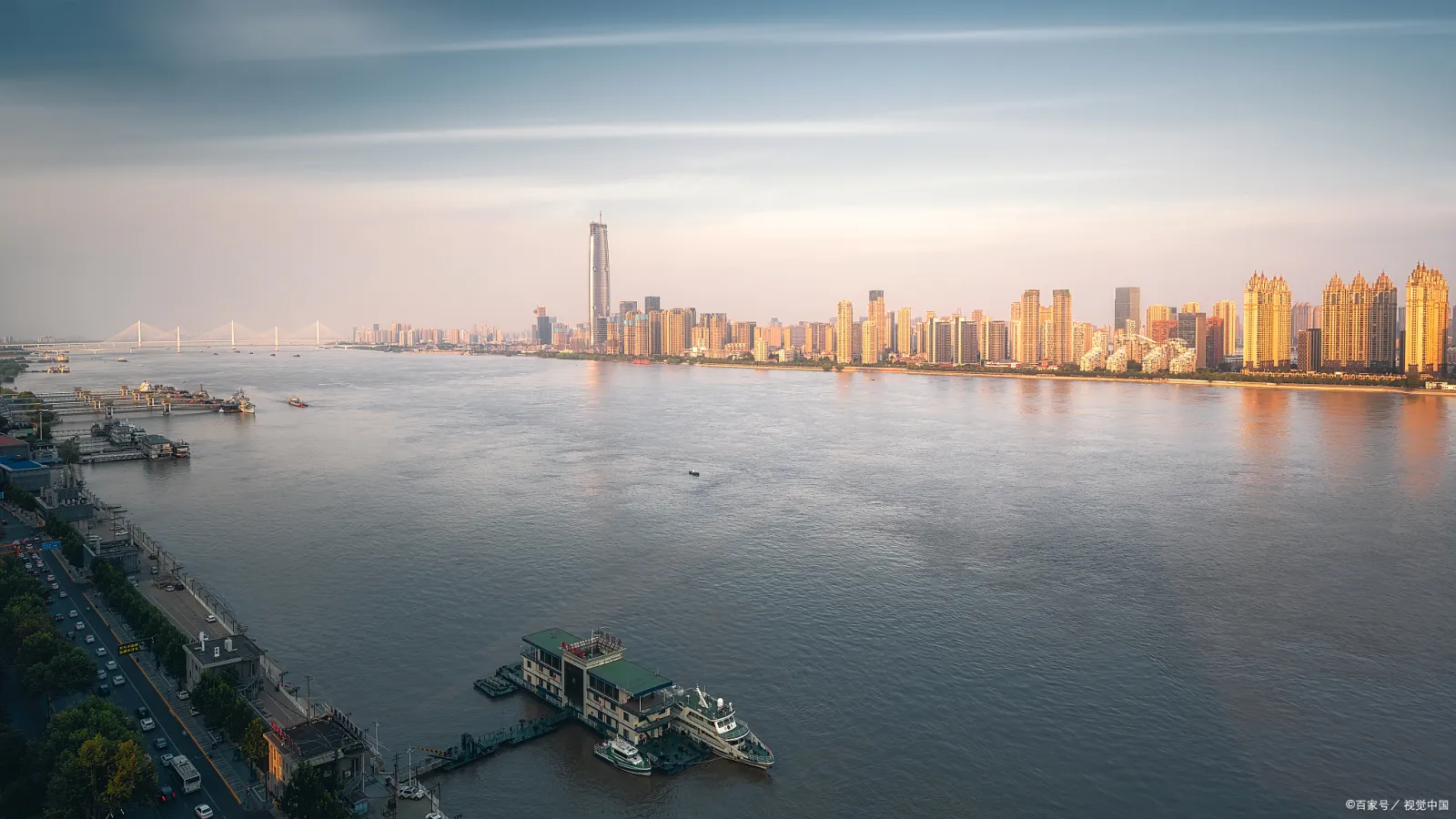
The former Mashkov tea merchant headquarters on Poyang Street: red brick, arched windows, built 1896. Now an office building.
Why Hankou, why tea
The tea didn’t grow in Hankou. It grew in the mountains to the south and west: the tea districts of Hubei, Hunan, and Jiangxi, where the climate and altitude produced the kind of leaves that European and Russian buyers wanted. Hankou was the collection point.
I explained in my Hankou history article how the city sat at the junction of the Yangtze and Han rivers, the “thoroughfare of nine provinces.” That geography made it a natural trading hub. Tea came from the mountains on small boats down tributary rivers, converged at Hankou, and from there went by steamship down the Yangtze to Shanghai, then by sea to London. Or it went north, by river to Hankou, then overland through Mongolia to the Russian border, a journey of 4,000 kilometers on horse-drawn carts and camel caravans.
Before the treaty port era, this trade existed but was smaller. Chinese merchants ran it. The big shift came in 1861, when the Treaty of Tianjin forced the Qing government to open Hankou to foreign merchants. Within two years, Russian, British, and American tea buyers had set up operations on the Hankou riverfront. The Russians came first, and they came hard.
The Russian tea route
The Russians had been drinking Chinese tea since the 17th century, when it arrived overland from Beijing via the caravan route through Mongolia and Siberia. By the 1800s, tea was not a luxury in Russia. It was a staple. Every household had a samovar. The demand was enormous, and the caravan route was slow, expensive, and unreliable.
When Hankou opened in 1861, Russian merchants saw their chance. Instead of waiting for caravans from Beijing, they could buy tea directly at the source, at a river port with reliable shipping. They established firms in Hankou: Molchanoff, Tokmakoff, Molotoff, Mashkov. These names sound obscure now, but in the 1870s, they were among the most powerful trading companies in China.
The tea they bought was mostly what the Chinese called “brick tea” (砖茶): compressed blocks of tea leaves, stems, and sometimes twigs, pressed into dense rectangular or round shapes. Brick tea wasn’t the delicate loose-leaf tea that British buyers wanted. It was rough, cheap, and durable. You could throw it on a cart, bounce it across 4,000 kilometers of steppe, and it would still brew. It was the tea of the Russian working class, the Mongolian nomads, and the Central Asian bazaars.
The Russian merchants built six brick tea factories in Hankou by the 1890s. These were industrial operations: steam-powered presses, hundreds of Chinese workers, churning out millions of bricks per year. The factories sat along the riverfront in the Russian concession, belching smoke alongside the British and German trading houses.
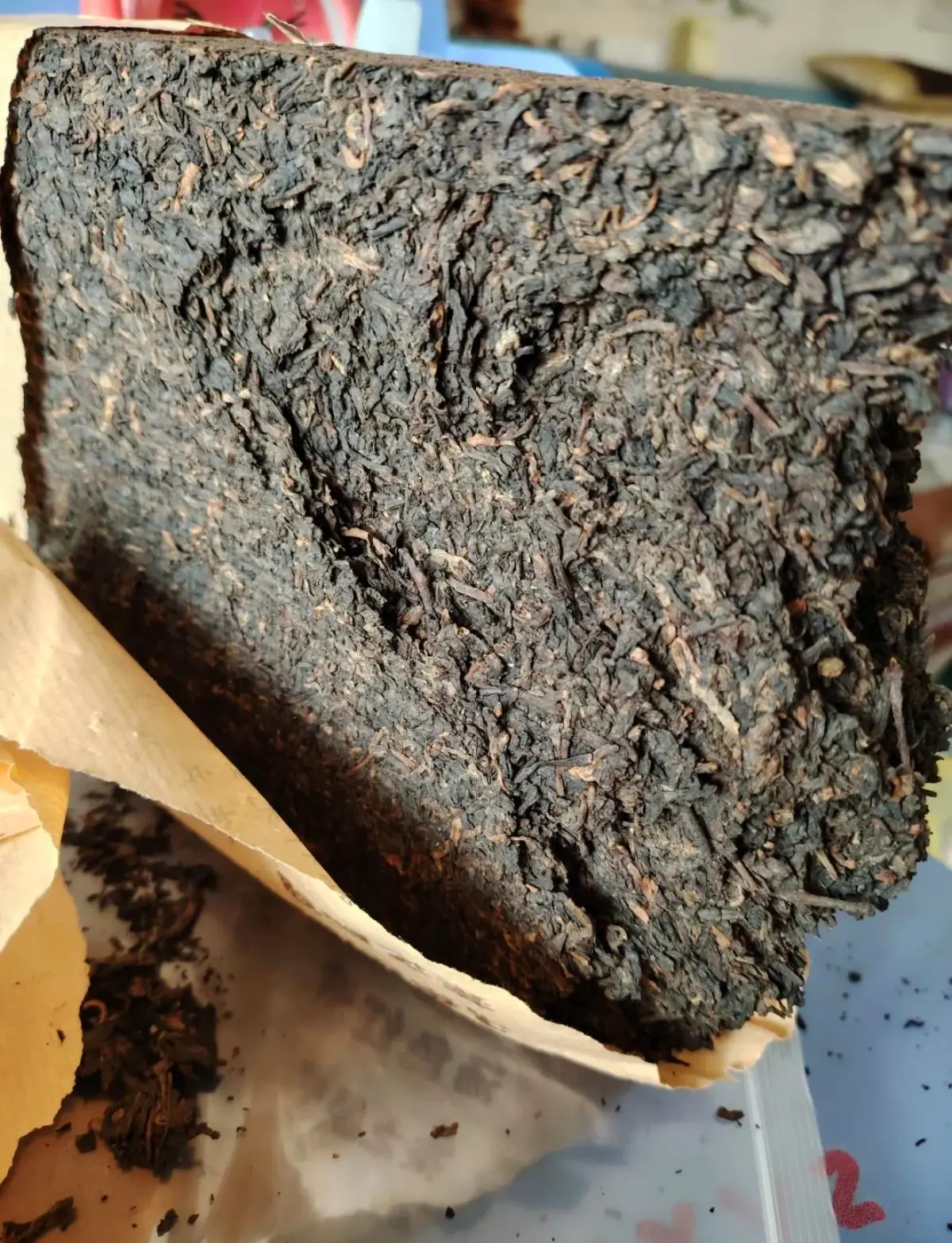
Brick tea: compressed, durable, and built for a 4,000-kilometer journey. This is what fueled the Russian samovar.
The peak years
The 1870s and 1880s were the peak. Hankou was exporting 70 to 80 million pounds of tea per year. Of that, roughly half went to Britain and its colonies, and the other half went to Russia. The city was the largest tea port in the world by volume.
The scale was hard to imagine. During the tea season (spring and early summer), the Yangtze riverfront at Hankou was packed with ships. Steamers flying British flags, American clippers, Russian chartered vessels, thousands of Chinese junks and sampans. The tea had to move fast. Leaves picked in April needed to be in London by July. Every day of delay meant lost quality and lost money.
The Chinese tea porters carried the weight. Tea came down from the mountain districts on the backs of porters. These men carried 50 to 70 kilograms of tea in bamboo baskets, walking for days along mountain paths to the river landings. From there, boats brought it to Hankou. An estimated 300,000 people worked in the tea trade in Hubei and surrounding provinces during the peak years: pickers, porters, boatmen, warehouse workers, factory hands, sorters, packers.
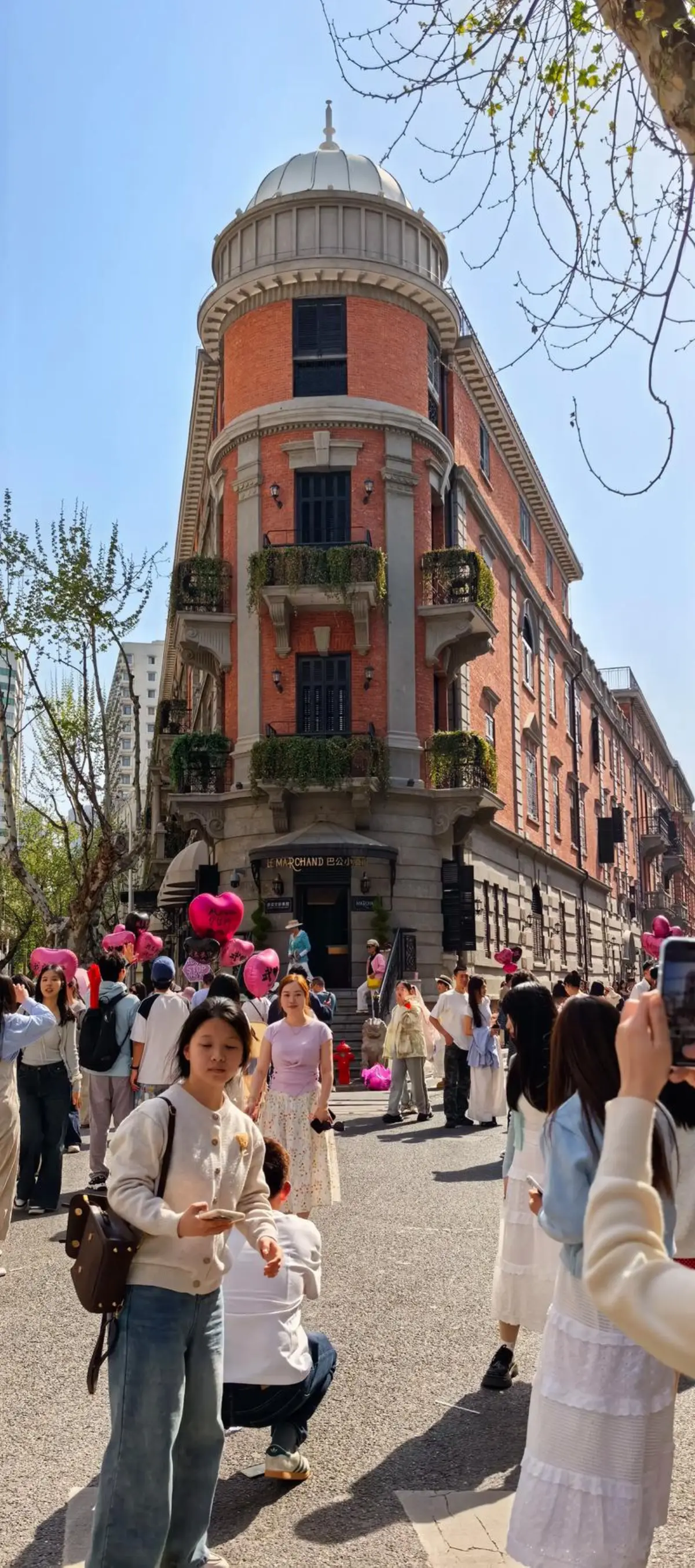
The Yangtze at Hankou, the highway that carried 80 million pounds of tea per year to London and Moscow.
Tea accounted for over half of Hankou’s total export value in the 1870s. The Russian firms paid in silver, which flowed back into the Chinese interior, financing farms, workshops, and the entire local economy. Hankou’s reputation as a commercial powerhouse (“the Chicago of China”) was built on tea before it was built on cotton or rice.
How the British lost interest
The British were the other major buyers, but they were already looking elsewhere. In the 1830s, the British East India Company had started experimenting with tea cultivation in India: Assam, then Darjeeling, then Ceylon (modern Sri Lanka). By the 1880s, Indian and Ceylon tea was flooding the London market. It was cheaper and more consistent, and it was produced on industrial plantations with British management. Why buy Chinese tea from Hankou when you could grow your own in Assam?
British purchases of Hankou tea dropped sharply in the 1890s. By 1900, Britain was buying more tea from India and Ceylon than from China. The market shifted. Hankou’s tea exports to Britain collapsed within a decade.
The Russians kept buying. For them, Chinese brick tea was still the cheapest and most reliable supply. Indian tea was loose-leaf, expensive, and not suited to the Russian market, which wanted brick tea for the samovar. So while the British left, the Russian trade continued, and even grew as the Trans-Siberian Railway made the overland route faster.
The end of the trade
The decline came in stages.
First, the Trans-Siberian Railway, completed in 1905, changed the logistics. Tea no longer needed to go by camel caravan through Mongolia. It could go by rail from Hankou to Vladivostok, then on the Trans-Siberian to Moscow. Faster, cheaper, and it bypassed the Chinese middlemen who had controlled the caravan trade. The Russian firms kept their Hankou headquarters; the volume shifted.
Then came the 1911 Revolution. I wrote about how Wuhan sparked the revolution that ended the Qing Dynasty. The fighting destroyed much of Hankou’s commercial district. The tea warehouses burned. Trade halted for months.
Then came the Russian Revolution in 1917. The new Soviet government nationalized the tea trade. The Russian merchant firms in Hankou, family businesses that had operated for 50 years, were dissolved overnight. Their owners fled. Their buildings stayed.
By the 1920s, the trade was a fraction of its peak. By the 1930s, it was negligible. The Japanese invasion in 1938 finished it off. The factories were destroyed, the warehouses emptied, the port shut down.
When the Communist government took over in 1949, there was nothing left to nationalize. The tea trade that had defined Hankou for 40 years was gone. The city moved on to other things: state-owned industry, textiles, iron and steel from Hanyang. Tea became a footnote.
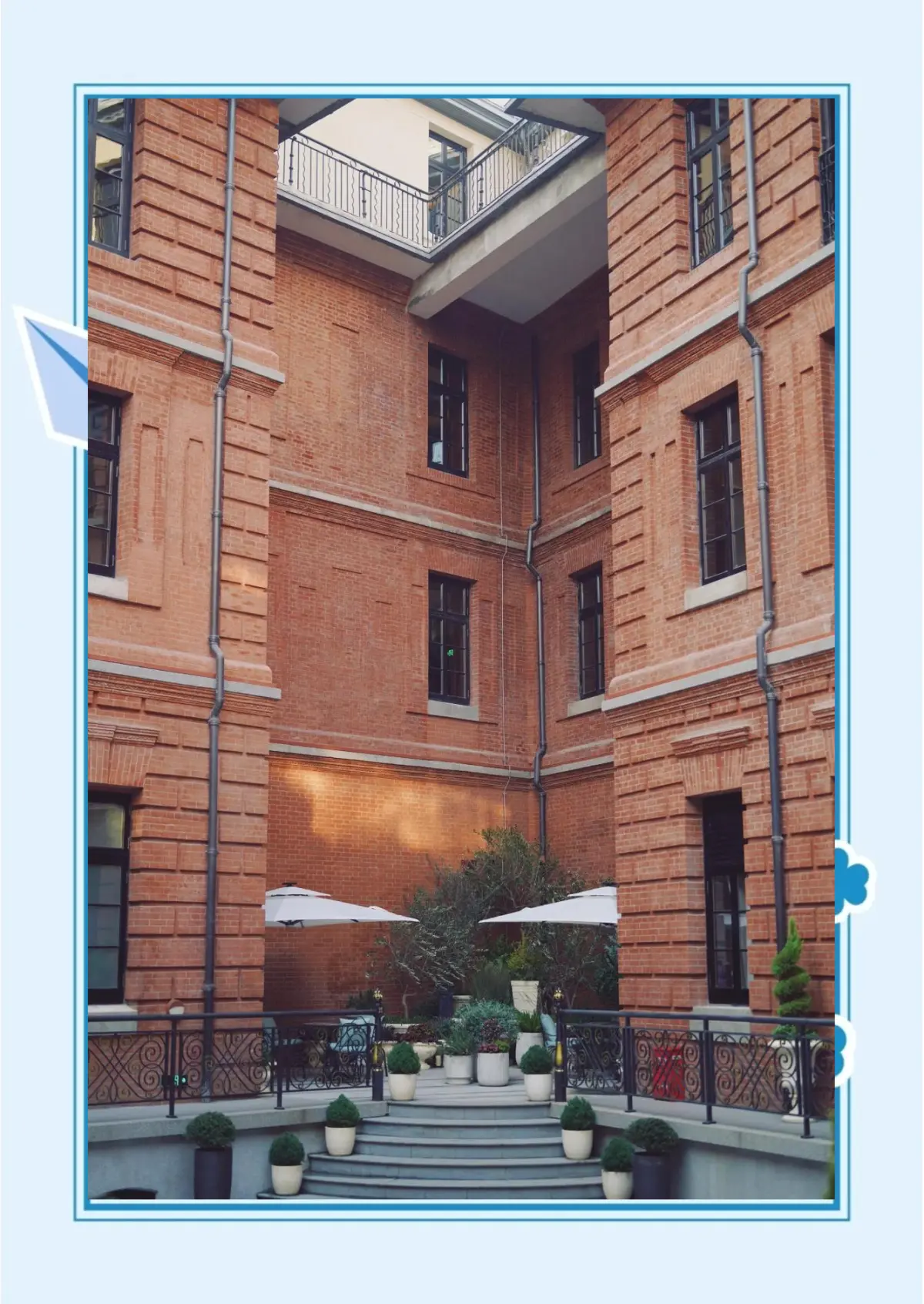
The buildings remain; the trade doesn’t. Poyang Street, where Russian tea firms once operated, is now offices and retail.
What’s left
I went looking for traces last month. Here’s what remains:
The buildings. Several former tea merchant headquarters still stand in the old concession area, mostly on Poyang Street and along the Bund. The Mashkov building is now a mixed-use office space. The former Tokmakoff warehouse is a furniture store. The Jianghan Customs building, which processed the tea shipments, still chimes every hour. You can walk past all of these in 20 minutes. There are no plaques, no museum exhibits, nothing that tells you these buildings once held the world’s tea trade.
The place names. Hankou has a neighborhood called Chachang (茶厂, “tea factory”), named after the brick tea factories that once operated there. It’s a residential area now. The people living there have no idea why it’s called that.
The tea. The tea itself still grows in the mountains of Hubei, the same districts that supplied Hankou 150 years ago. But it doesn’t come through Wuhan anymore. It goes east by truck to Anhui and Zhejiang, where it’s blended and processed into the teas you see in Chinese supermarkets. Hubei produces good tea. Nobody associates it with Wuhan.
The irony of Wuhan’s tea amnesia
Wuhan, a city built on the tea trade, has almost no tea culture today. The breakfast culture is noodles. The social culture is restaurants and bars. The university culture is coffee. Tea exists, but it’s not a Wuhan thing the way it’s a Hangzhou thing or a Fujian thing.
I asked my wife about this once; she’s a Wuhan native, born and raised. “We were a trading port,” she said. “We shipped other people’s tea, never grew it, never made it. We just moved it.” The tea came from the mountains, passed through Hankou, and went to London and Moscow. The people of Hankou touched it but never owned it. When the trade ended, there was no local tradition to preserve, just buildings, place names, and a history that nobody remembers.
I think about this when I walk past the Mashkov building on Poyang Street. For 40 years, this red-brick warehouse held the tea that fueled the Russian Empire’s daily ritual. Now it holds office workers and a printing company; the building outlasted the trade, the empire, and the memory.
The tea trade is one layer of Hankou’s commercial history. Read more: how Hankou became China’s Chicago, the European concession buildings that the tea merchants built, and the river that carried the tea.
Related:
-
Hankou: The River Port That Became China’s Chicago: the broader commercial history
-
Hankou’s Bund: The European Quarter: the buildings that the tea merchants left behind in Hankou
-
The River Is the City: Wuhan’s Yangtze Culture: the river the tea ships used
-
Two Rivers, Three Towns: why Hankou became a port
-
The Wuchang Uprising: How Wuhan Ended 2,000 Years of Empire: the revolution that burned the tea warehouses in Hankou
-
Hanyang: The Iron Works That Forged Modern China: the other industry that defined Wuhan
-
Wuhan Breakfast Culture: Guo Zao: the food culture that replaced tea