Let me get something out of the way. I grew up in Shanxi, where winter means minus twenty and staying indoors until March. I thought I knew cold. Then my first December in Wuhan.
Five degrees Celsius, not a breath of sunshine in nine days, and I couldn’t feel my hands by 6 PM. The damp gets into your clothes, your bed, your bones. My Shanxi relatives would laugh at the thermometer reading. They have no idea.
Why five degrees feels like minus five
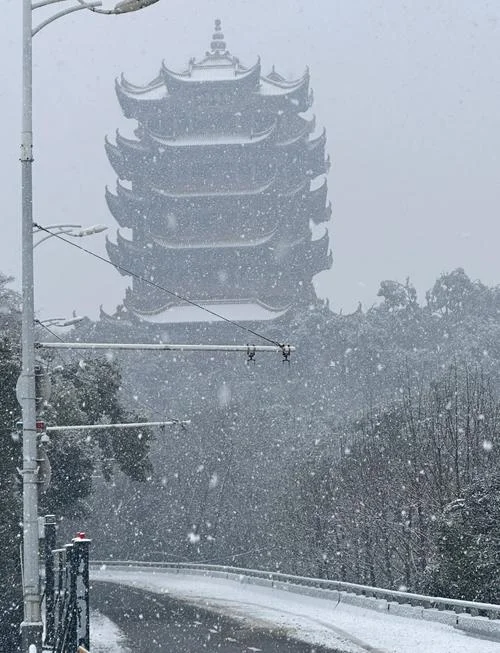
Wuhan sits at the Jianghan Plain, surrounded on three sides by water. The Yangtze and Han rivers run through the city, East Lake doesn’t freeze, and humidity hovers around 80 percent year-round. In winter this means the cold doesn’t hit you. It soaks into you.
Dry cold bounces off a good coat. Wet cold finds gaps you didn’t know existed: wrists, ankles, collar, the space between glove and sleeve. You walk outside dressed adequately and ten minutes later you’re shivering under three layers indoors.
The sun disappears around mid-November and doesn’t properly return until March. Grey skies become the default. People get seasonal depression here but don’t talk about it much. Locals mention “everyone feels a bit down” in winter the same way they mention the weather: factual, unchangeable, not worth fussing over. If you are timing a visit rather than already living here, Best Time to Visit Wuhan: A Season-by-Season Guide is the relevant read.
No central heating, by historical accident
China divides itself along the Huai River for heating purposes. North of the river, buildings get central heating from municipal systems, usually starting mid-November. South of the river, buildings don’t.
Wuhan lands south of the line, so no pipes, no radiators, no warmth from municipal infrastructure. Every apartment solves this problem separately, and their solutions are imaginative, inconsistent, and occasionally dangerous.
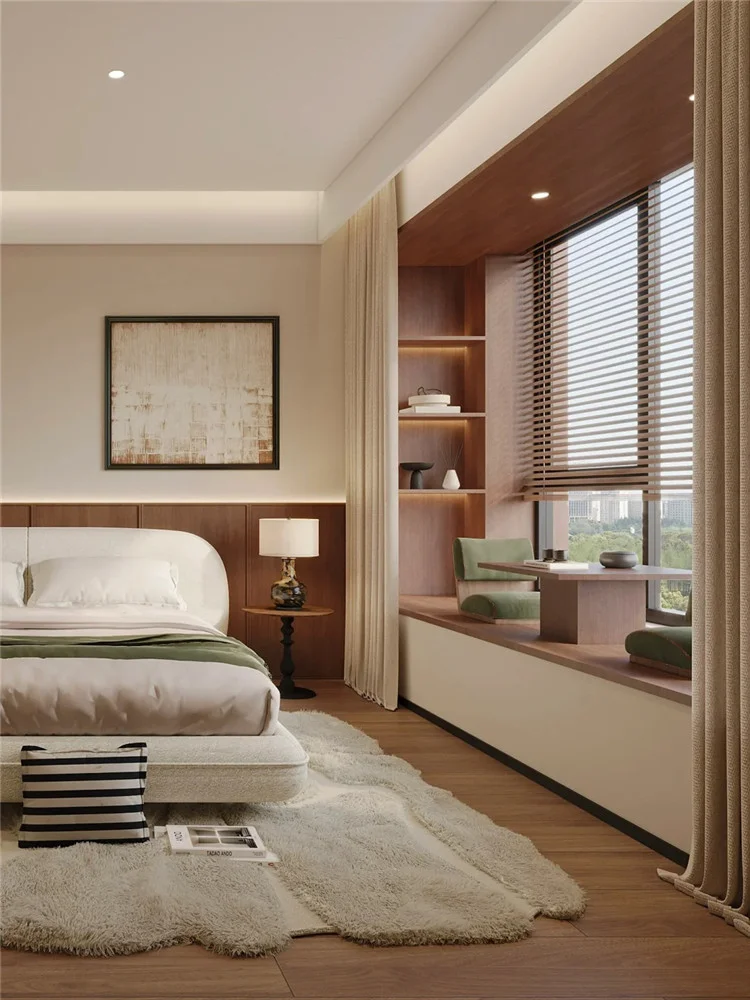
Some apartments have air conditioners with heating functions. These work when temperatures stay above zero. Below that point the outdoor unit ices up and the whole system gives up. Some apartments have portable heaters. They also struggle in rooms with insulation held together by optimism.
Electric blankets become the primary heating system. People sleep under electric blankets, wake up under electric blankets, and some days barely move from their blanket. Electricity bills spike in January. Nobody’s proud about it.
What locals actually wear
The indoor cold changes how people dress. Outside you wear a proper jacket, scarf, hat, gloves: standard winter gear. Indoors you wear every piece of clothing simultaneously.
Wuhan residents own long underwear in multiple thicknesses. The heavy version, with fleece lining, appears when temperatures drop to single digits. Some people wear it to bed. Some wear it under regular pants to work. Nobody comments about it because everybody is doing the same thing.
Down vests indoors are common. Short-sleeve tops under sweaters under down vests under coats, all while sitting at a heated desk mat if someone remembered to buy one. Heated desk mats plug into USB and keep your wrists and hands somewhere near functional. In winter, these count as survival equipment rather than office accessories.
Shoes present their own problem. Sneakers with mesh ventilation designed for summer feet become ice blocks. People switch to lined boots earlier than the temperature warrants because wet cold sneakers make walking unpleasant for reasons beyond temperature.
What gets eaten hot
Winter food in Wuhan follows one principle: the hotter when it hits your stomach, the better.
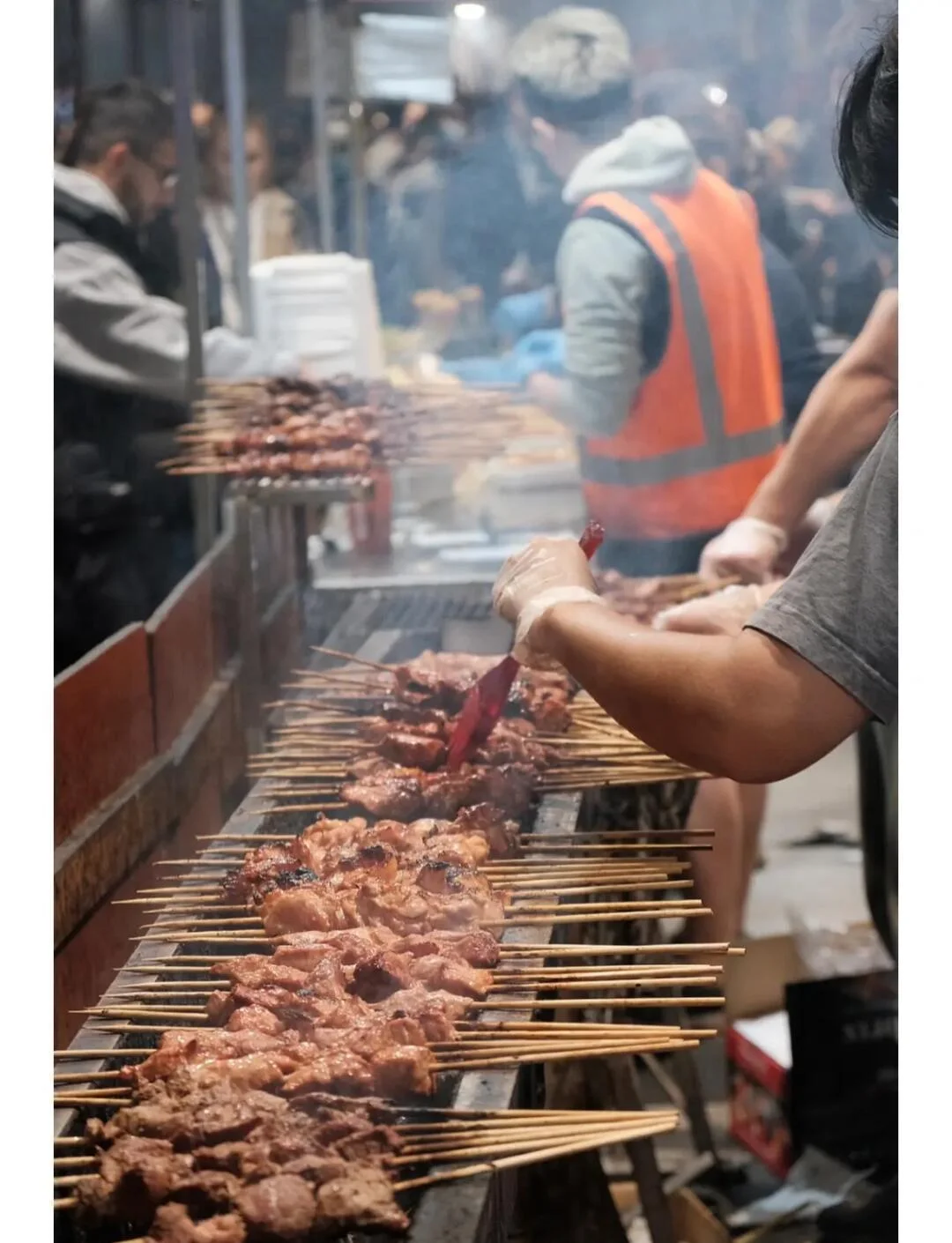
Hot pot season hits its peak between December and February. The restaurant fills with steam and chili smoke. Your clothes smell like Sichuan pepper for the rest of the evening. Worth it. Hotpot works because the food arrives scalding and stays hot while you eat it.
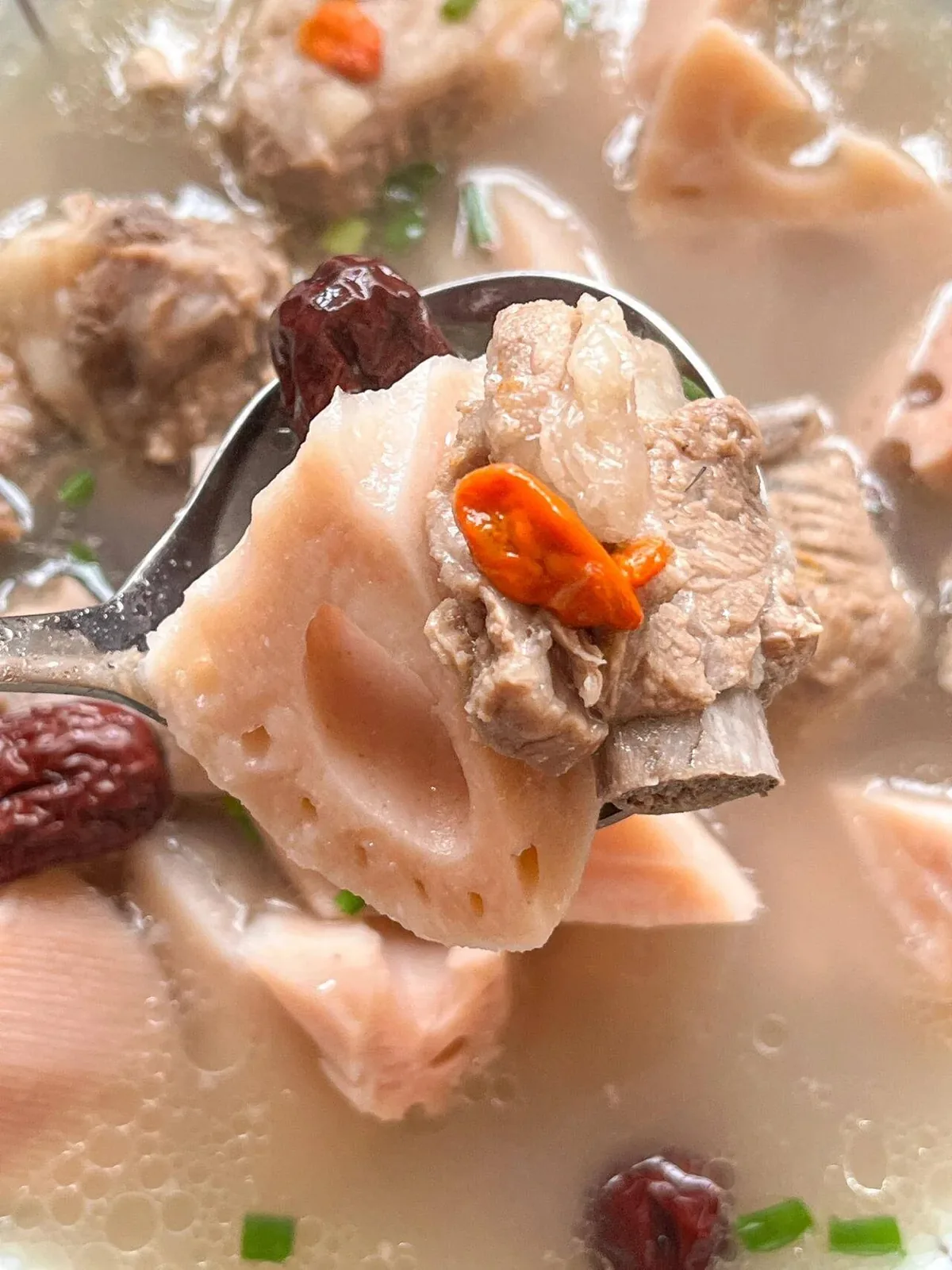
Clay pot soups appear on every family table. Lotus root and pork rib soup, the city signature, works twice as well when you need hot liquid distributed through your body immediately. People make it on Sunday afternoons specifically so they have something to reheat every evening.
Hot dry noodles taste better in winter, although I’ve never found anyone who admitted they taste bad in summer. The sesame sauce coats your throat and stays warm longer than regular noodle preparations.
Cooking at home doubles as heating. Families gather around electric hot pot or gas-powered clay pot. The stove radiates warmth into the room while dinner boils. Practical and edible.
Surviving the Outdoors
You dress in layers you can add or remove as buildings fluctuate in temperature. The metro has heating, especially Line 2’s underground stations. Buses have heating but quality varies by company and age. Outdoor bus stops have nothing, and waiting at one in January is its own punishment.
People walk faster in winter. Not because of ice (Wuhan rarely freezes properly), but because nobody wants to be outside longer than necessary. The grey makes everything look the same by 5 PM. Streets empty slightly during the deepest weeks.
Hot drinks appear everywhere. Bubble tea shops do half business in summer with cold drinks and need to compensate with hot versions in winter. Convenience stores keep their hot drink cabinets full from November to March. Soy milk hot, oat milk hot, red bean hot. Straws melt. People drink anyway.
Hand warmers and pocket heaters sell out in convenience stores. Small adhesive patches that generate heat for six to eight hours when exposed to air. Stick them to your long underwear near your toes or kidneys. Your toes survive. Your kidneys feel appreciated.
Getting through the dark months
Winter depression is real here, and January through February is brutal. Grey skies feel permanent. People move from apartment to metro to office to metro to apartment through lit corridors and never touch actual daylight.
Those who can afford it leave town. Hainan Island gets an influx of Wuhan tourists escaping the grey. Others take weekend trips to nearby hot springs, or just to anywhere with less grey. Any change helps those remaining sane.
Locals have another approach: pushing through. Wuhan people have a stubborn streak that doubles as winter strategy. “Keep going” isn’t motivational advice. It’s literal. Keep moving, keep working, keep eating hot food. Spring arrives eventually. It always has.
People with north-facing apartments face particular problems: they don’t see the sun from November through February. I know a woman who moved specifically for a south-facing unit. She pays more in rent, and she says the sunlight alone justifies it.
Why you might still visit
I’m not recommending winter tourism exactly. I’m saying that if you’re here anyway (working, studying, staying long-term), you’ll survive with proper layers, a good electric blanket, and the right attitude.
Winter brings clarity that doesn’t exist any other time. In clear moments after a cold front passes, the air turns sharp and the mountains west of the city emerge in the distance for the first time since September. East Lake in grey scale looks like an ink wash painting worth far more than most galleries charge.
The city slows down. Without summer’s frantic energy or spring’s tourist waves, Wuhan in winter shows you what the place feels like when nobody’s performing. People hunch over hot drinks. The night market gets rowdier because nobody wants to go home to a cold apartment. Hotpot restaurants overflow.
It can be brutal. It also strips away everything that’s not essential. Whether that version appeals to you depends on what you came looking for.
If it wasn’t frostbite, stick around for a month.