
Most cities have one famous flower. Wuhan has at least four that force their presence on you whether you planned for them or not. Each season drags its signature scent or color through the entire city, and locals mark their calendar by what’s blooming rather than what the thermometer says.
Here’s the full year.
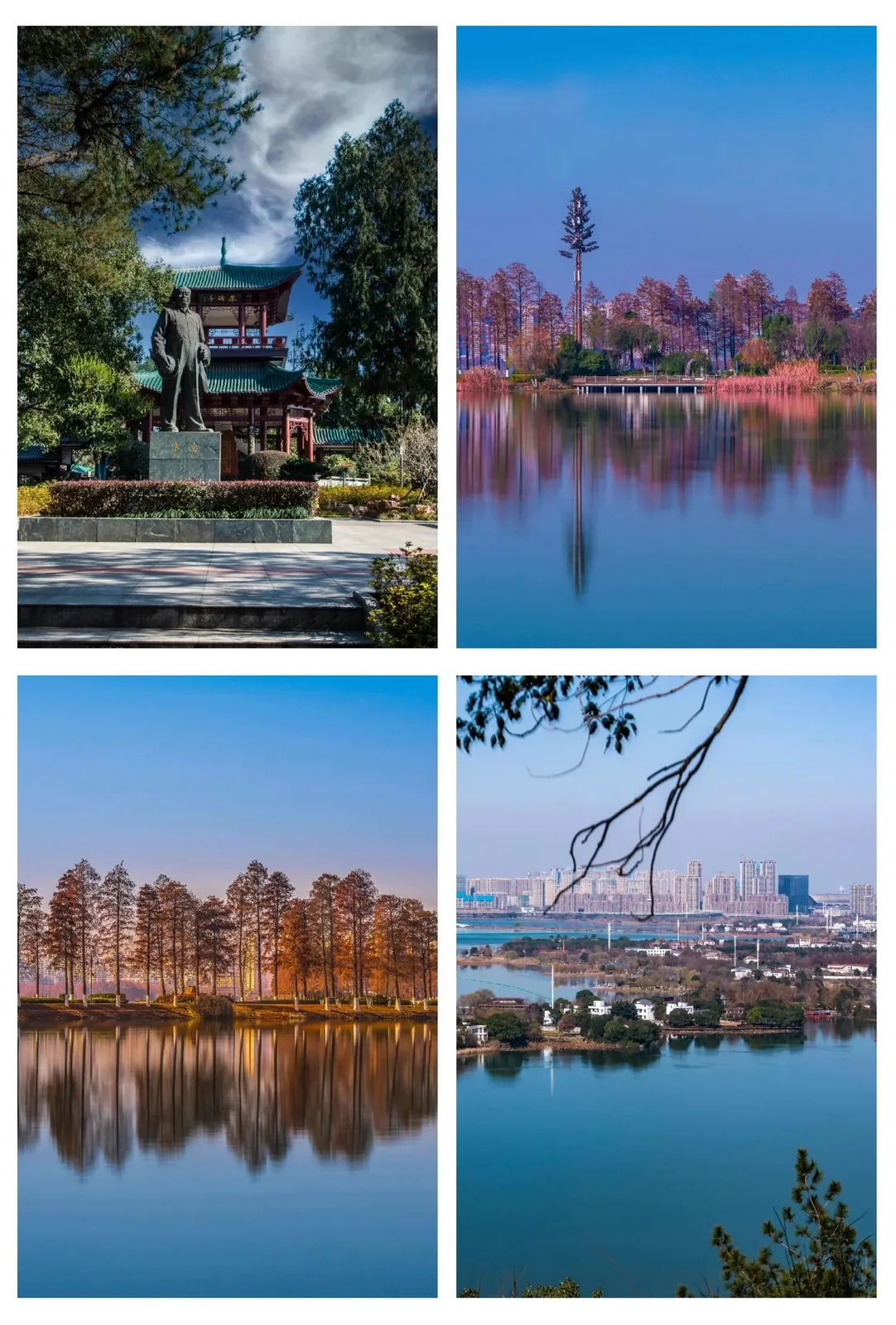
January and February: plum blossoms at East Lake
Prunus mume blooms while Wuhan still freezes. East Lake’s plum garden, tucked in the northwest section near the botanical gardens, has around 20,000 plum trees. White, pink, deep red, some branches bending toward the ground under the weight of flowers.
The cold keeps crowds thinner than cherry blossom season. People who come do so deliberately. Gardeners with tripods. Painters with folding stools wrapped in coats. Old couples who returned every February for the past forty years and “wouldn’t come in this terrible cold” but are here anyway.
Best viewing is usually late February into early March, when winter starts loosening and the plums hit full bloom. Bring layers. The garden has open paths with no indoor heating. The lake these grow in has its own guide, East Lake: Wuhan’s Green Heart.
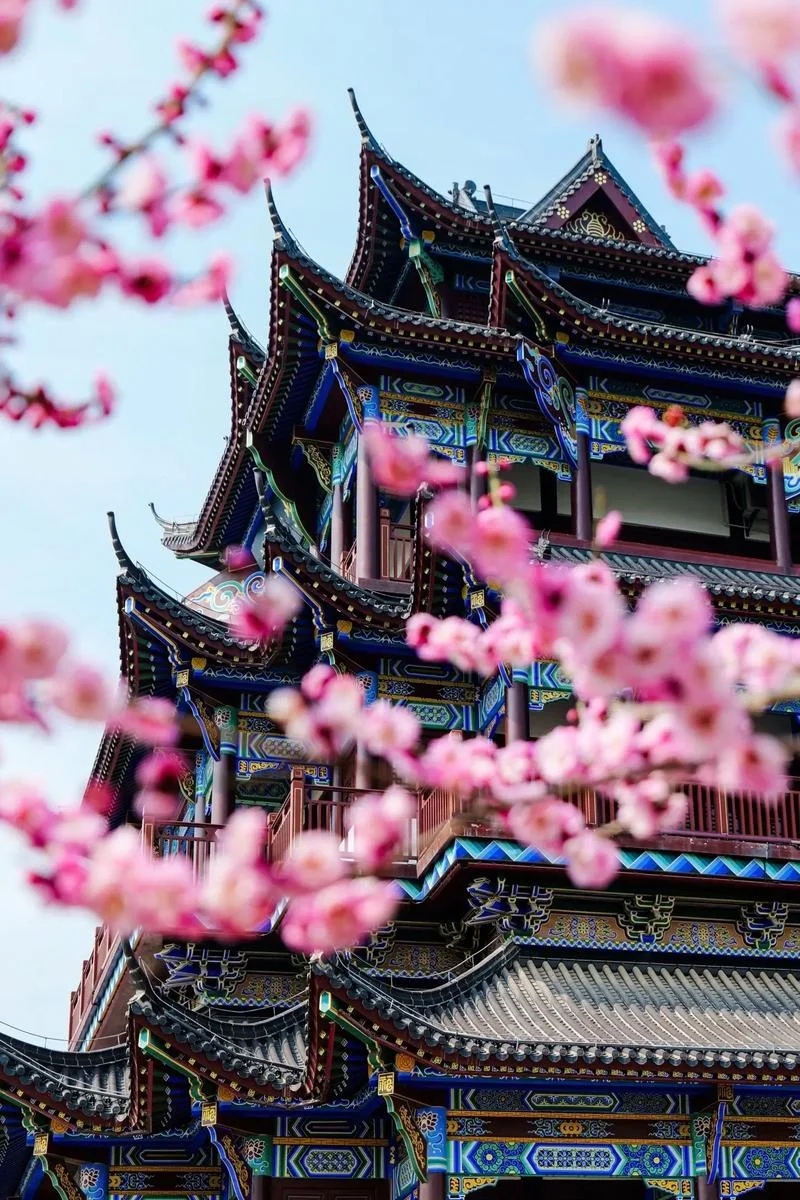
March: the cherry blossom war
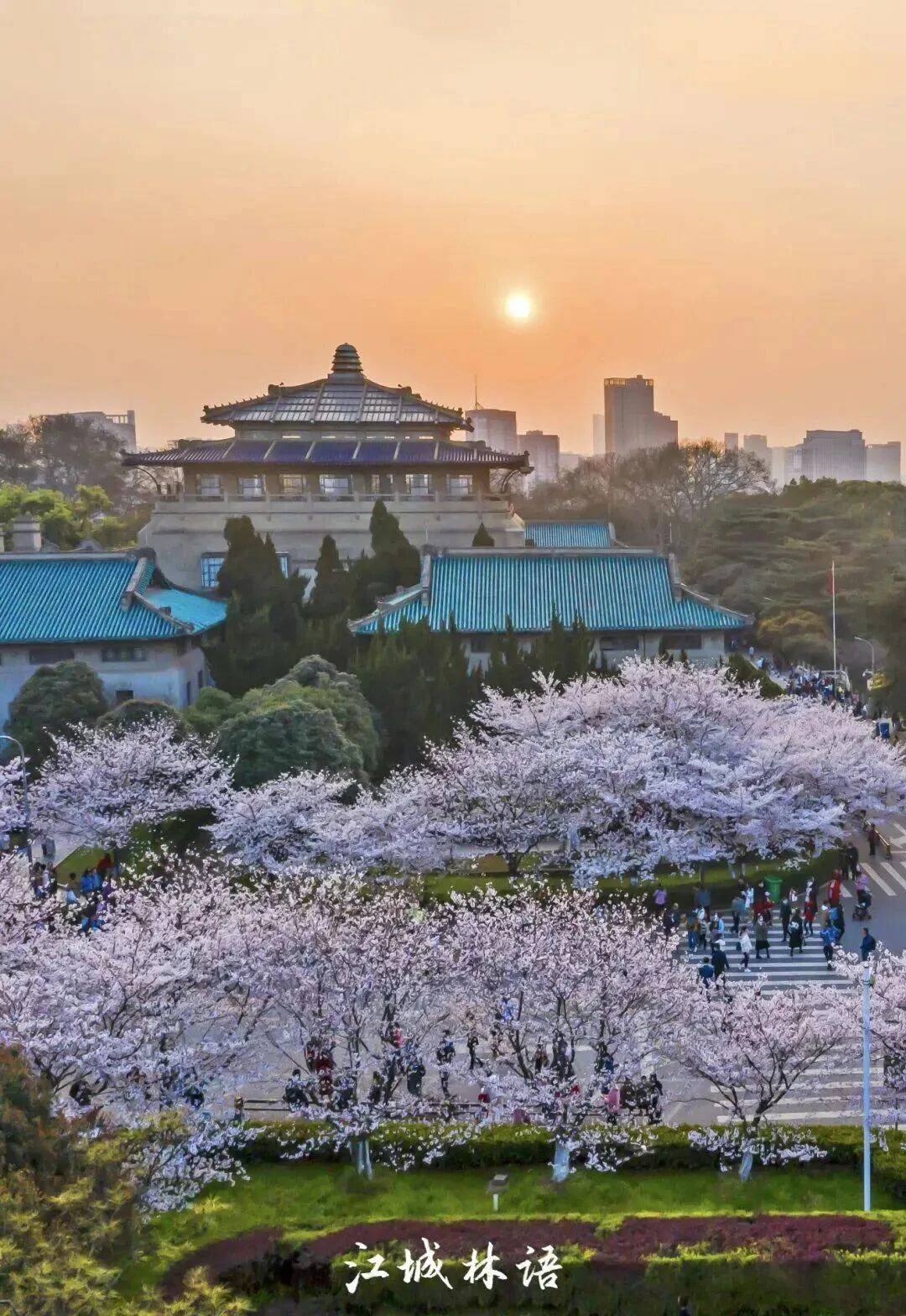
Every guide mentions Wuhan University’s cherry blossoms. Nobody adequately prepares you for the experience.
The trees grow along the main residential path of the old campus, a road old Lu Xun once walked. Two hundred and something Somei-Yoshino cherries form a canopy so dense it tunnels the light pink. For about two weeks in mid-March the whole thing looks like a screensaver your phone manufacturer pre-installed.
The crowds match the hype. WeChat reservations required. Entry lines forming at 7 AM. The campus turns into a theme park with better architecture. Selfie sticks everywhere. Tour groups in matching bucket hats.
Skip Wuhan University if you value sanity. The cherry blossoms at East Lake’s Cherry Blossom Garden north shore grow more densely, spread longer, and draw half the people. Same pink flowers, improved experience. Better yet, the small cherry groves scattered around Optics Valley and along the Yangtze Riverside Park bloom at the same time and attract almost nobody.
Best mid-March afternoon in Wuhan is cycling East Lake’s northern cherry corridor with wind smelling like flower petals.
April: Azaleas Take Over the Hillsides
Azaleas, or 杜鹃 (dujuan), cover the slopes around Wuhan with shades of red and pink and violet. The best display is on the Taiyi Road hillside leading up toward the botanical garden, where the entire face of the ridge turns maroon.
East Lake’s azalea garden has 60-plus species in deliberate beds. The hillside plantings don’t care about your garden-design preferences. They just blanket everything.
The weather stabilizes in April. Temperatures hover around 20 Celsius during the day, warm enough for T-shirt weather with a light jacket at night. This is when Wuhan becomes briefly livable outdoors, and locals respond by fleeing their apartments for any patch of green space.
May and June: roses and the beginning of lotus
Wuhan’s rose gardens peak in late April through mid-May. Optics Valley’s rose garden has approximately 60 varieties arranged in walled beds. The smell on a humid May afternoon when the roses are past peak and starting to brown is thick enough to taste.
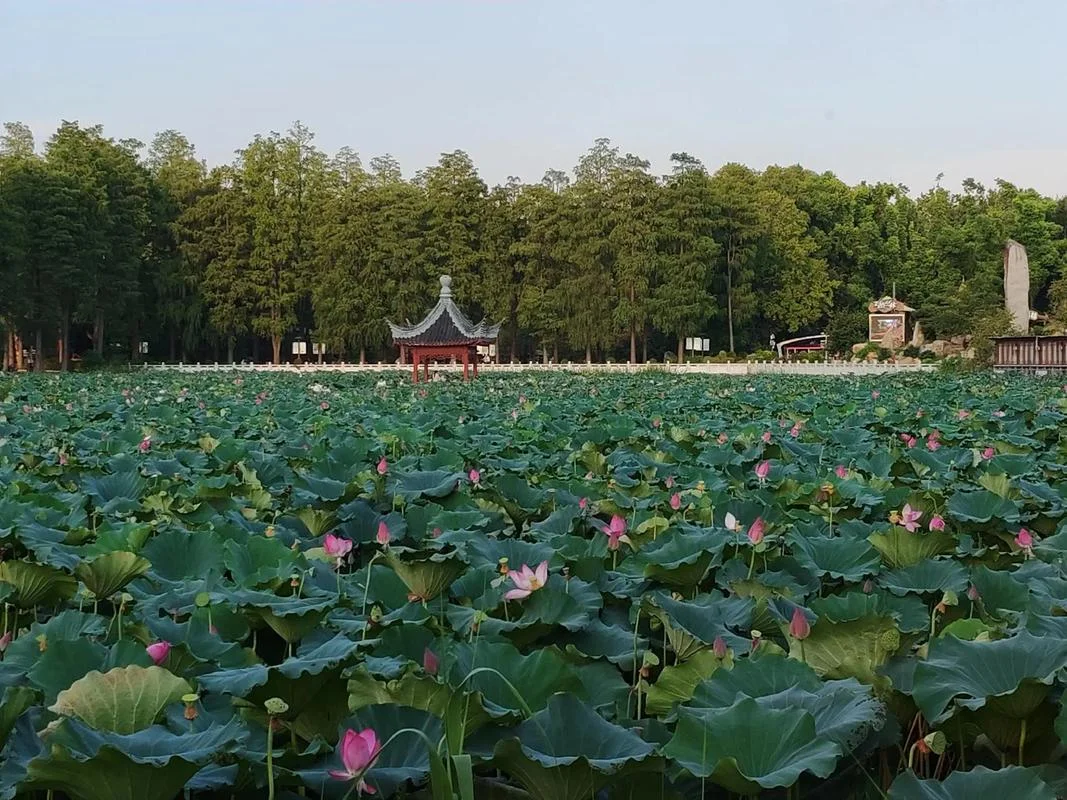
June brings the first lotus flowers to East Lake. The lotus garden on the northwest shore has curated pond-by-pond displays: pink lotus, white lotus, the rare yellow lotus that mostly appears in the Chinese poetry tourists recite badly while taking photos.
East Lake in June is already warm but the lotus ponds sit separated from the lake itself, small enough to walk around in thirty minutes. Morning visits before 9 AM catch the flowers opening and the heat still manageable.
July and August: peak lotus, peak discomfort
The lotus blooming through midsummer happens parallel to Wuhan’s worst weather. East Lake’s lotus garden reaches full capacity by late July. Flowers the size of dinner plates, stems thick as your wrist, seed pods forming in the center of spent blooms.
Walking the garden loop in July afternoon temperatures above 35 degrees qualifies as a test of commitment worth doing anyway. The flowers look even more dramatic against the absurd weather. Like nature mocking your life choices.
The lotus seed heads dry into those geometric pods used in flower arrangements. The roots (lotus root, 莲藕) harvest in autumn and appear in everything from stir-fry to the pork rib soup Wuhan families make weekly. East Lake lotus root has a reputation for being crispier.
September and October: osmanthus season
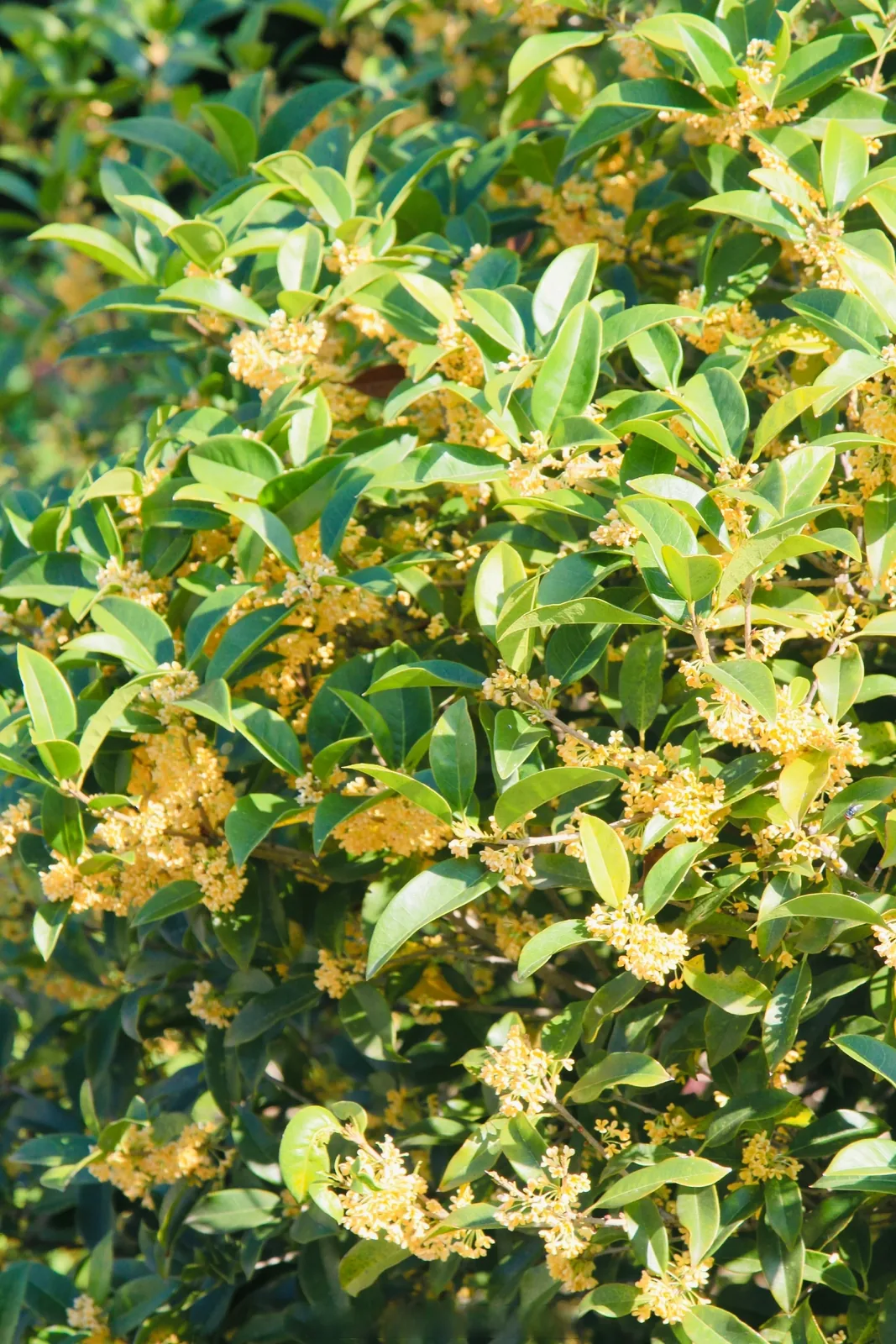
Osmanthus arrived mid-September this year. Sweet, heavy, overwhelming. Within three days entire neighborhoods smell like someone opened a jar of honey the size of a swimming pool.
Around Gu Hankou and the old concession streets, the trees planted along sidewalks during the 1920s still flower every autumn. Walk Xima Road or Changdi Street with your attention held by your nose. You smell it before you see the tiny golden flowers that could fit on your thumbnail.
Hubei University’s campus has paths lined with osmanthus trees. Sitting on a park bench outside the gate during lunch break when students flood toward cafeterias: the smell carries through traffic noise and food steam.
This is when Wuhan residents bake osmanthus cake and sugar preserves when in season and serve them through the end of the year. Soft and sticky and amber-colored and gone too fast.
November through December: Waiting for Winter
November is the gap season. Chrysanthemums in parks, sunflowers planted as temporary decoration along the Second Ring Road, then nothing until the plums begin again.
Wuhan winters are mostly flowerless and grey. Winter jasmine appears along some residential walls in early December, small yellow blooms that look like regular jasmine except they bloom at the wrong time. Otherwise the plants rest and Wuhan people layer up and wait.
The first plum buds usually show in late December if the winter stays mild. Otherwise early February. Every year different. Locals communicate via WeChat photos of the earliest blooms the way stock traders discuss opening prices.
For visitors: when to come for flowers
Cherry blossoms require specific timing: mid-March, watch local blossom trackers. Lotus runs from July to September, with August the most reliable month. Osmanthus needs a nose during late September through October. Plum blossoms find you in January and February, no planning required.
Every season brings something. Wuhan doesn’t really have an off-season for flowers. The down seasons just require different expectations about what you will see.
The secret is the off-radar plantings. Neighborhood trees. Street-side bushes. The unmaintained hillside covered in wildflowers nobody planted and nobody maintains but everyone photographs. Wuhan’s real growing season doesn’t appear on tourist calendars because it’s embedded in ordinary streets you drive through on the way somewhere else.