I used to think Wuhan residents survived entirely on hot dry noodles and cigarettes. Then a friend dragged me to a Saturday morning running group along the Yangtze, and I counted thirty people doing warm-up stretches at 6:30 AM. A lifetime of assumptions collapsed.
The fitness scene here runs on three tracks. Each age group owns one.
The group exercise track
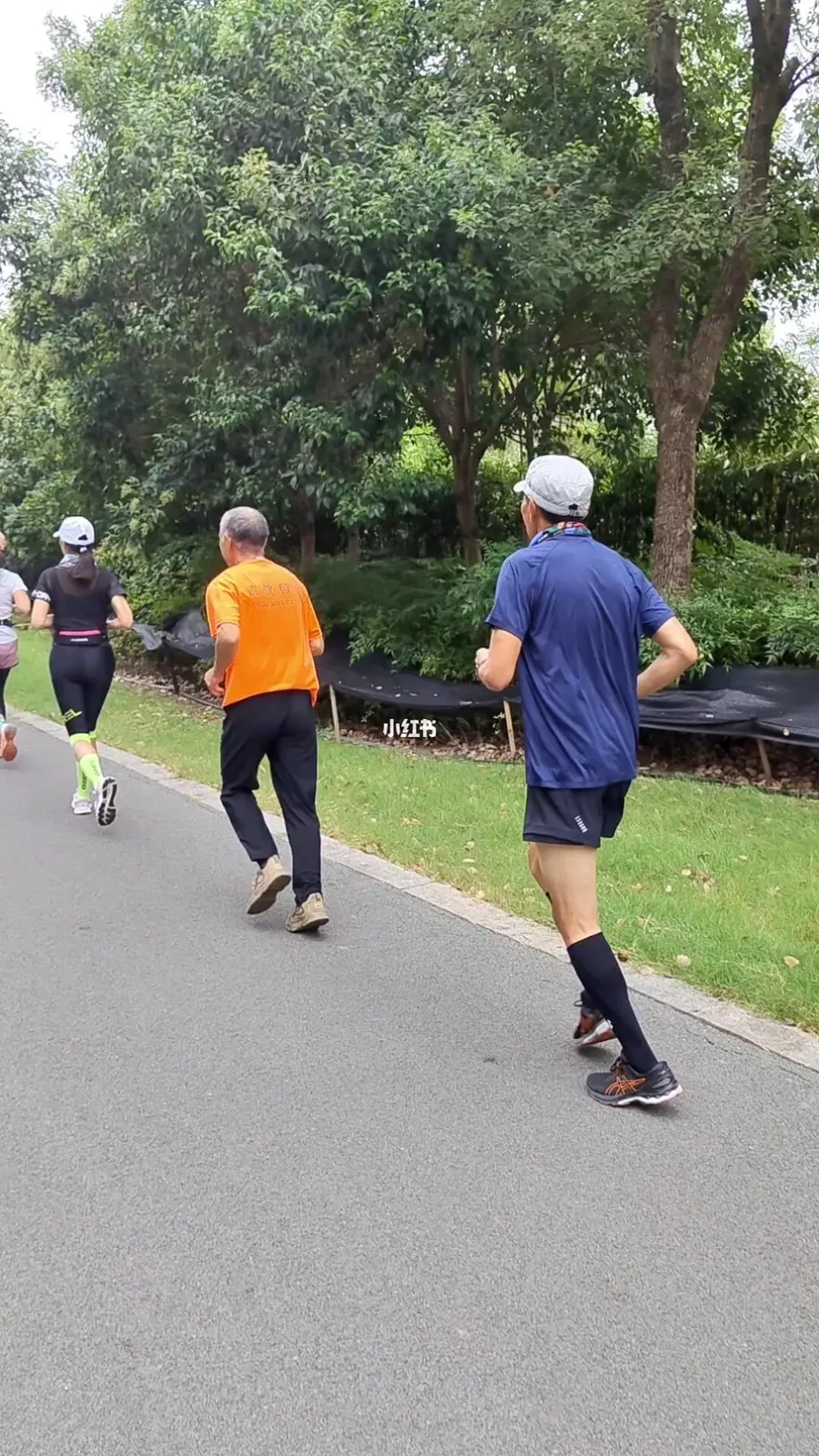
Every morning starting around 5:30 AM, parks across Wuhan fill with people who refuse to age quietly. The main move is guangchangwu (square dancing), but the term covers everything from tai chi lines to synchronized queuing with hand fans.
The equipment is a portable speaker. The volume is alarming. The aunties who run these sessions treat park space like personal territory and have opinions about which group controls which corner. A park that looks empty at 8 PM keeps two rival dance teams on opposite sides by 6 AM.
The repertoire runs from patriotic pop to traditional remixes and whatever TikTok track someone’s grandchild installed. In a single hour you hear patriotic songs, 1980s disco, and a remix of something charting on Douyin. Nobody seems bothered. Dancing continues.
On quieter days you see retired men doing ballroom-style partner dances together, no partners required. Arms extended across imaginary shoulders, turning in synchronized circles near flower beds. Passersby don’t stare. This is just what 7 AM looks like: the parks this all happens in are covered in Wuhan’s Parks: Where 11 Million People Go to Breathe.
The running track
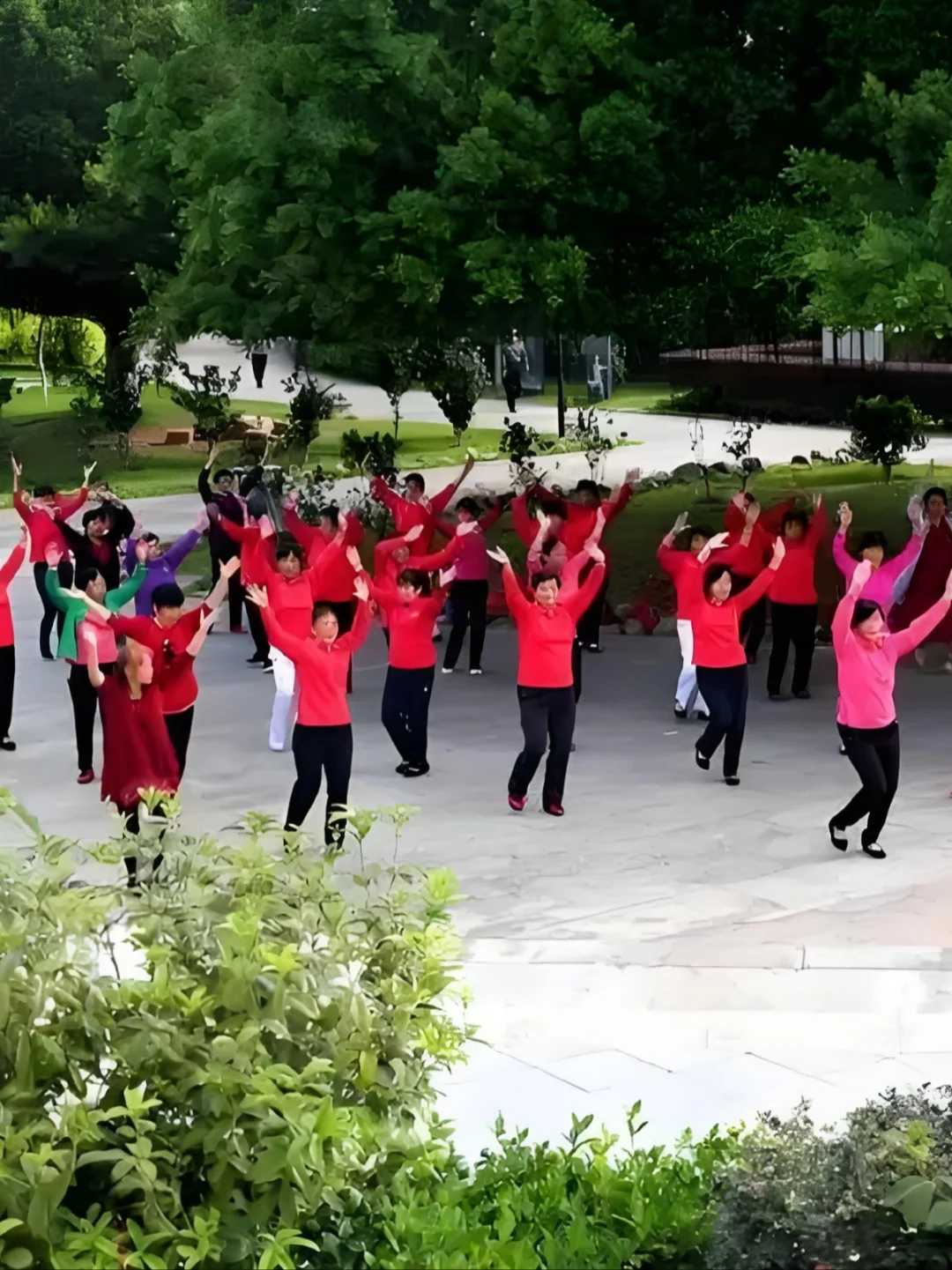
The East Lake Greenway runs 100-plus kilometers of continuous path. Morning cyclists dominate it before 8 AM. After 8 PM, the runners claim the lanes and the walkers take over the section closest to the water.
Most serious runners start at the same stone arch near the Meiyuan entrance. They gather in groups of five to fifteen wearing branded shirts from local running clubs. The groups maintain various pace levels. The fast group runs 5-minute kilometers. The “chat group” runs slower because they actually chat. Neither judges the other because both know they’ll end up at the same beer stall afterward.
East Lake has proper distance markers. Runners doing the full outer lake loop clock about 20 to 25 kilometers, taking two to three hours. Inner loops range from 5K to 15K. It is possible to design a reasonable workout regardless of your level.
Weekend mornings sometimes bring organized events. Local running clubs sponsor unofficial races with finish lines that exist for thirty minutes then disappear. The atmosphere falls between social gathering and competition. Someone hands you a banana at the end.
Within Hankou, runners use the Yangtze River promenade, which is less scenic than East Lake but flatter, easier on the knees, and significantly less crowded past the Jianghan Road section. Early morning joggers before 7 AM find empty paths and river views.
The young people track
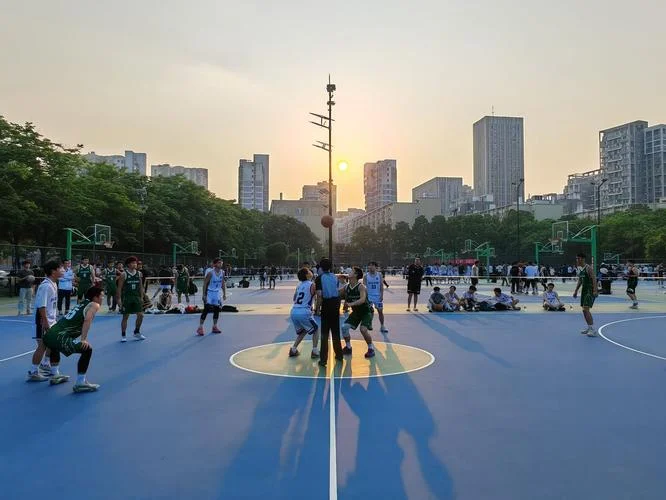
Basketball courts across Wuhan fill after 6 PM in a scene that looks like a pickup league with no league. Most courts need a small entry fee or a signup at the guard station. Others operate on a show-up-and-rotate system where three teams play and waiting teams cycle in on losing.
Badminton carries surprisingly high stakes in Wuhan. Booking a court requires a WeChat group where someone reserves slots during their daily release window. Released once a day at a specific time, available slots clear within minutes. It’s not uncommon to see friends scheduling competing interests against each other for Saturday morning preferences.
Rock climbing exists as an indoor activity among the university crowd, and several proper climbing gyms operate near universities, with student-discounted day passes. The scene sustains a community without attracting wider notice. Bouldering requires less commitment and appeals more than rope climbing.
What you can do
If you don’t speak Chinese and don’t know the parks, anywhere public works for bodyweight exercises or a solo morning run. The main requirement is showing up. Wuhan people who exercise outdoors don’t usually invite strangers, but a regular presence eventually leads to nods that eventually lead to conversation. The running club that meets at the East Lake Huazhong Agricultural University gate on Saturday mornings has welcomed foreigners before. Search Wuhan Runners on WeChat or Meetup.
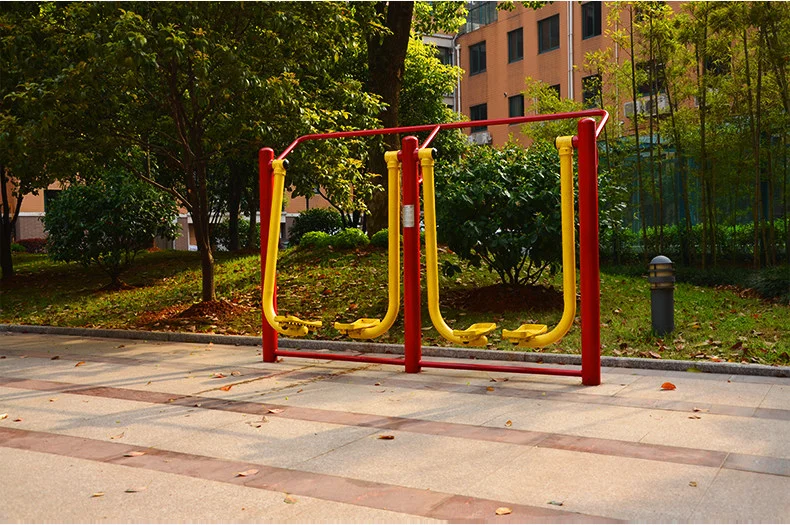
Stretching equipment exists in parks everywhere. Most older adults use it without any apparent plan. Pull-up bars near tree lines, waist-twisting platforms near flower beds, shoulder-massage rollers that look like medieval equipment.
Gyms cluster near commercial areas. Brands like Super Gorilla, Will’s, and various local chains operate memberships similar to Western gyms. Swimming pools usually pair with gyms, open year-round with lane-swim hours. Schedule mornings and evenings because midday is elderly water aerobics and public lessons depending on the facility.
The cheapest exercise option is running outside. The cheapest social exercise option is your local basketball court or badminton hall. Wuhan fitness culture runs on consistency and social bonds. Individual fitness fades into the group fitness scene: older aunties holding court over daily dancing groups, younger runners sharing route advice on WeChat.