
The city that changes every three months
Photographing Wuhan is a seasonal game. The light in April doesn’t exist in August, and the fog in January doesn’t visit in October. I’ve shot this city in every month for the best part of two decades, and I can tell you: there is no single “best time” to photograph Wuhan. There’s a best thing to photograph in each season, and if you know what it is, you’ll come away with images nobody else has.
This isn’t a list of camera settings and locations I’ve already covered. Go read that one first if you haven’t. This is about time of year: what’s worth pointing your camera at in each season, why the light matters, and what to plan your trip around.
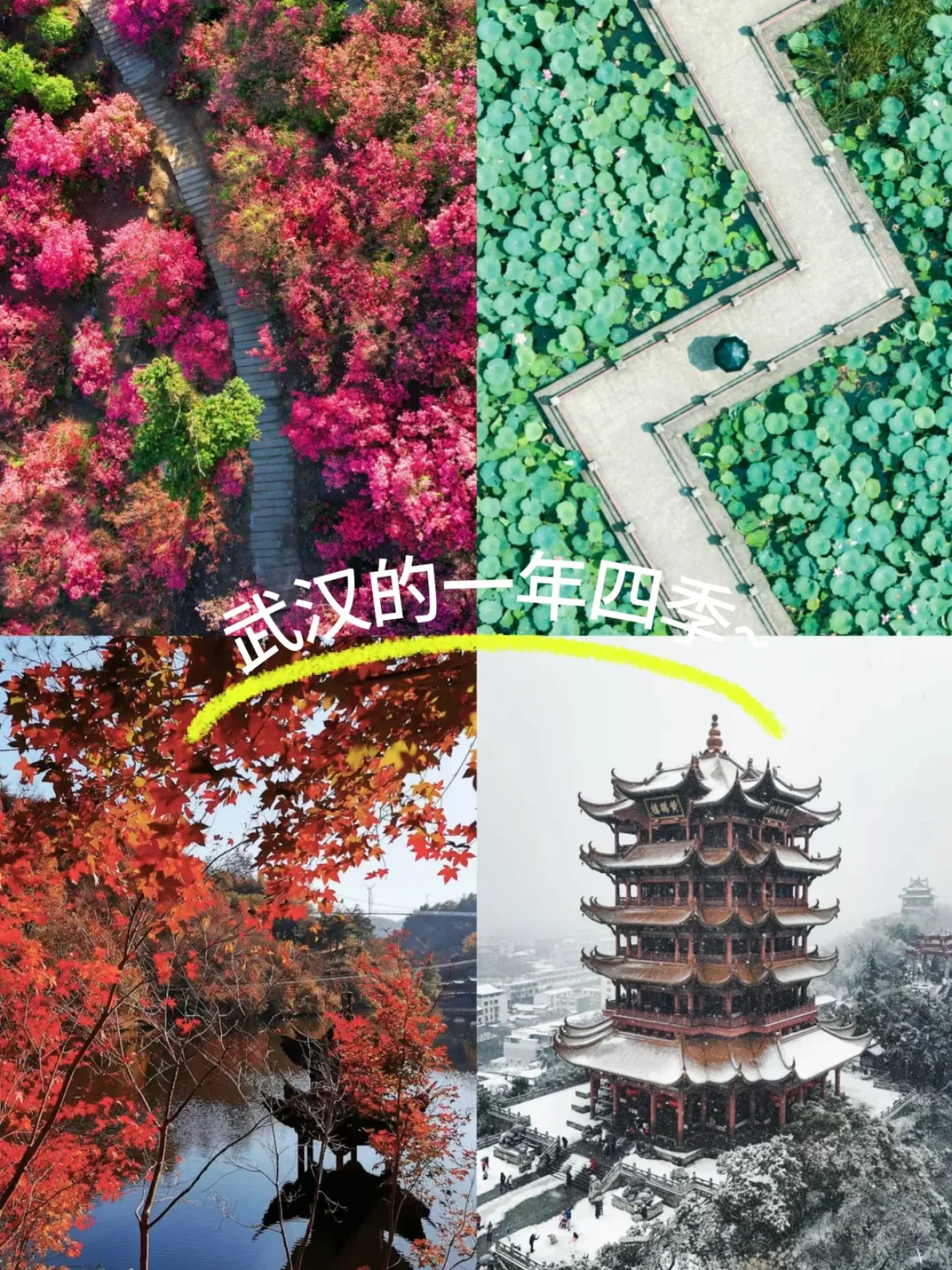
Wuhan doesn’t have one look. It has four. Spring blossoms, summer haze, autumn gold, winter fog.
Spring (March-May): the pink window
Spring is when Wuhan becomes briefly, deceptively beautiful. I say “deceivingly” because it lasts three weeks and the rest of the season is rain, mud, and grey skies that haven’t decided if they’re winter or summer.
What to shoot: Cherry blossoms. That’s it. That’s the spring assignment, and everything else is secondary.
The main stage is Wuhan University: approximately 1,000 cherry trees along the old dormitory ridge, usually peaking between March 15 and April 5 depending on the preceding winter. The best light is 6:30-8:00 AM, before the student foot traffic turns the path into a selfie highway. Shoot upward through the canopy with the grey-tile roofs of the old library buildings in the frame. Wuhan University’s architecture has a particular colour (warm grey tiles, white trim) that works under pink blooms better than any other campus I’ve seen.
The second cherry stage is East Lake’s Moshan Cherry Garden (磨山樱花园), which blooms nearly simultaneously. 10,000 trees. It’s more photogenic than the university because the garden has actual landscape design: paths that curve, a pagoda, the lake visible through the trees. The university is beautiful but the East Lake shots are what end up in magazines.
Beyond the blossoms: Plum blossoms come through late February through mid-March. East Lake has a plum garden near the south entrance. Fewer crowds, smaller flowers (harder to photograph because they’re the same size as the branches), but worth a morning if you’re here before the cherry trees wake up.
Rapeseed flowers (油菜花) appear along the Yangtze embankment in early March. They’re a highlighter-yellow that hurts to look at on an overcast day. Shoot them after a rain, when the sky’s gone soft grey and the yellows turn electric.
The weather problem: Spring rain. Wuhan gets 10-15 rainy days in March alone, which is actually a gift for photography. Shoot camellias (山茶花) wet, not dry. The rain works on every flower in the city. An umbrella and a lens cloth are essential kit.
Technical notes:
-
Bring a telephoto for cherry blossoms. 85mm or longer. You need to compress the canopy into a wall of pink.
-
Dawn mist is common in late March. Shoot the East Lake blossoms through low fog and you get images that look like traditional painting.
-
The blossoms last 10-14 days once open. Check the university’s WeChat account for bloom forecasts.
Summer (June-August): light that punishes
Summer in Wuhan isn’t hot. It’s oppressive, and the light shows it. The sun hits 85° by 10 AM and the city drowns in haze. Humidity sits above 80%. The air turns to soup. Most photographers pack up and leave, but if you stay, this is what you shoot.
What to shoot: Dawn and dusk. The hours between, you hide.
Summer sunrise in Wuhan is around 5:30 AM, and unlike other seasons, the city is already busy at that hour. Guo zao stalls are open by 5:45. The breakfast queue at any serious noodle shop is already forming. The light at 6 AM is golden and soft, and the streets are full of people. This is Wuhan’s most photogenic hour in summer: shop owners setting up, steam rising, the city stretching. By 7:00 it’s over 30°C and the light goes flat white.
The East Lake lotus bloom runs July through mid-August. The lotus pond at the northern shore of East Lake (near the Hubei Provincial Museum) has thousands of plants in flower. The best light is again 6:00-7:30 AM, when the flowers open and the stems are backlit. By 10 AM they close up.
Storm light: Wuhan summer thunderstorms arrive without warning, typically late afternoon. When the sky goes black and the rain comes down like a curtain, everything changes. The wet streets reflect neon. The light is silver-grey and dramatic. If you’re in Hankou when a summer storm hits, get to the Bund and shoot the European buildings through the rain-light. These are some of the best architectural shots the city offers.
Blue hour is your friend: In summer, sunset isn’t until 7:30 PM and blue hour stretches another 20 minutes. This is when Wuhan’s bridges, riverfront, and skyline come alive. The Second Bridge (built 1995, stays orange-lit) and the newer bridges (LED white-blue) create different colour temperatures. Shoot from the riverbank at Jianghan Road or from across at Wuchang. Bring a tripod.
What not to shoot: Midday landscape or architecture. The haze alone will turn your river shots into grey fuzz. The humidity will fog your lens, so carry more cloths than you think you need.
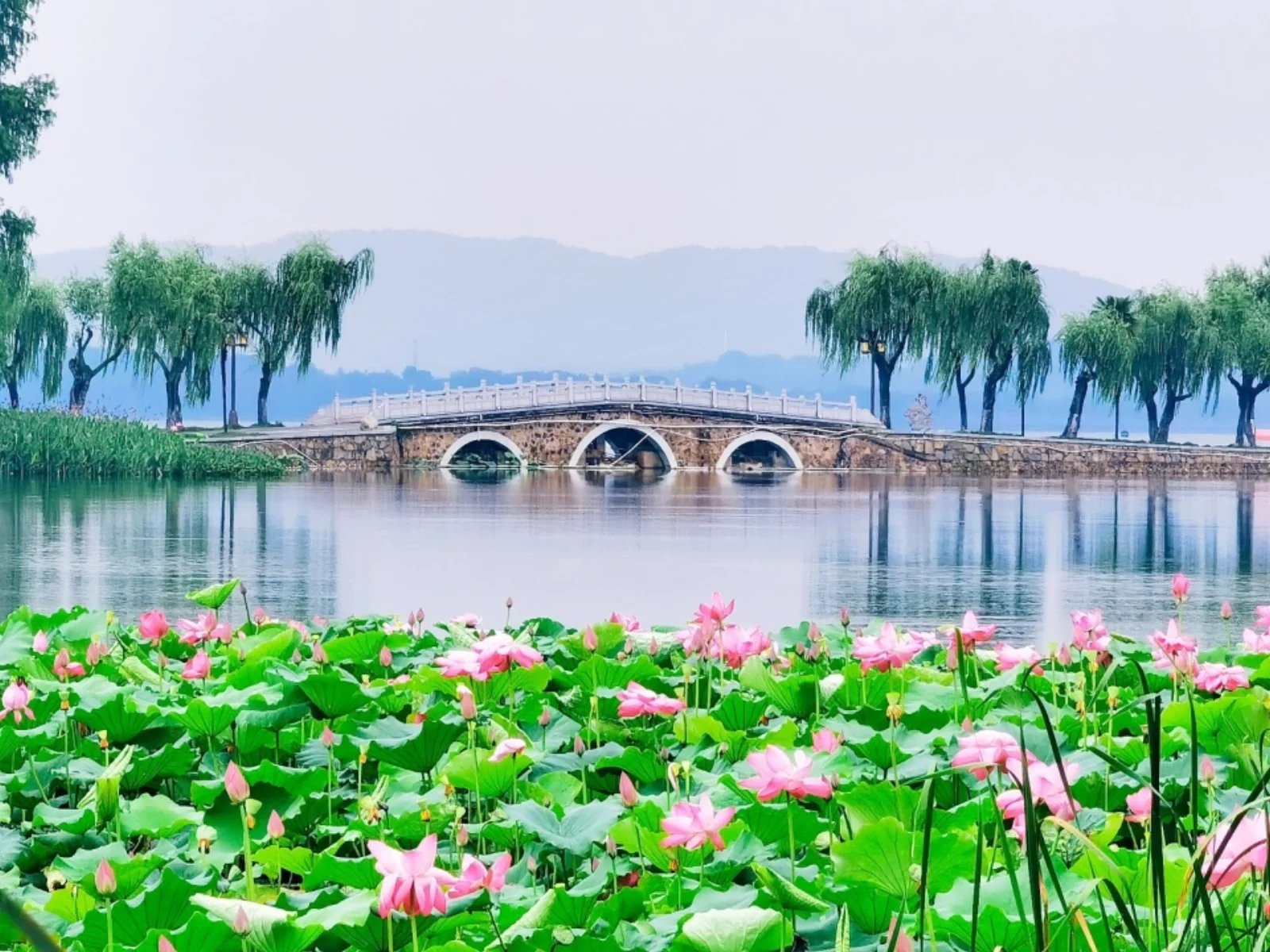
East Lake lotus at dawn, July. The flowers open at first light and close by mid-morning.
Autumn (September-November): the season that fixes everything
If Wuhan has a golden season, it’s October and November. The haze breaks. The sky turns blue for the first time since spring. The humidity drops to 60-70% and the light turns warm but clear instead of white-hot. This is when Wuhan earns its reputation as a real photography city.
What to shoot: Everything. In autumn, the whole city looks better.
Ginkgo season hits mid-to-late November. The main thoroughfare in Wuchang, Youyi Avenue (友谊大道), has ginkgo trees lining both sides that turn a saturated yellow. The tallest plantings are along the Jianghan University campus road, where the canopy forms a tunnel. Ground-level shots work here: fallen leaves on the pavement, cyclists riding through. The yellow against the autumn blue sky is the colour combination Wuhan does better than anywhere I’ve seen.
East Lake transforms again. The lotus pond is dead-stem by now, but the East Lake greenway turns gold, red, and orange as the maples, sweetgums, and Chinese tallows change colour. The cycle path around the lake (100 kilometres total) offers a different colour composition every 500 metres. The section near Chu Castle (楚城) has the best concentration of red maples with the lake behind them.
The Yangtze clears up: Summer haze made the river a grey smear all season. In October, the water goes from brownish to something approaching visibility. The far bank (which was invisible for four months) reappears: the cargo ships, the far shore buildings, the distant hills. This is when you shoot the wide Yangtze shots. The ferries crossing the river look different in autumn light: sharp, defined, their wakes clean against the blue-green water.
Yellow Crane Tower in autumn: The tower faces west, and October-December sunsets line up almost perpendicular to the front facade. If you shoot from the south side (the hillside below the main park entrance), the tower catches golden light on its yellow tiles while the hill behind is still in shadow. This shot doesn’t work in summer (too much haze) or winter (too low an angle). It works only in late October and November.
Rain is different here too: Autumn rain in Wuhan comes as light drizzle, not summer’s downpour. It makes the old Hankou lifang brick glow dark red. The wet lanes of Tongxing Li in November, with the last ginkgo leaves clinging to the branches above, are one of the best street photography setups in the city.
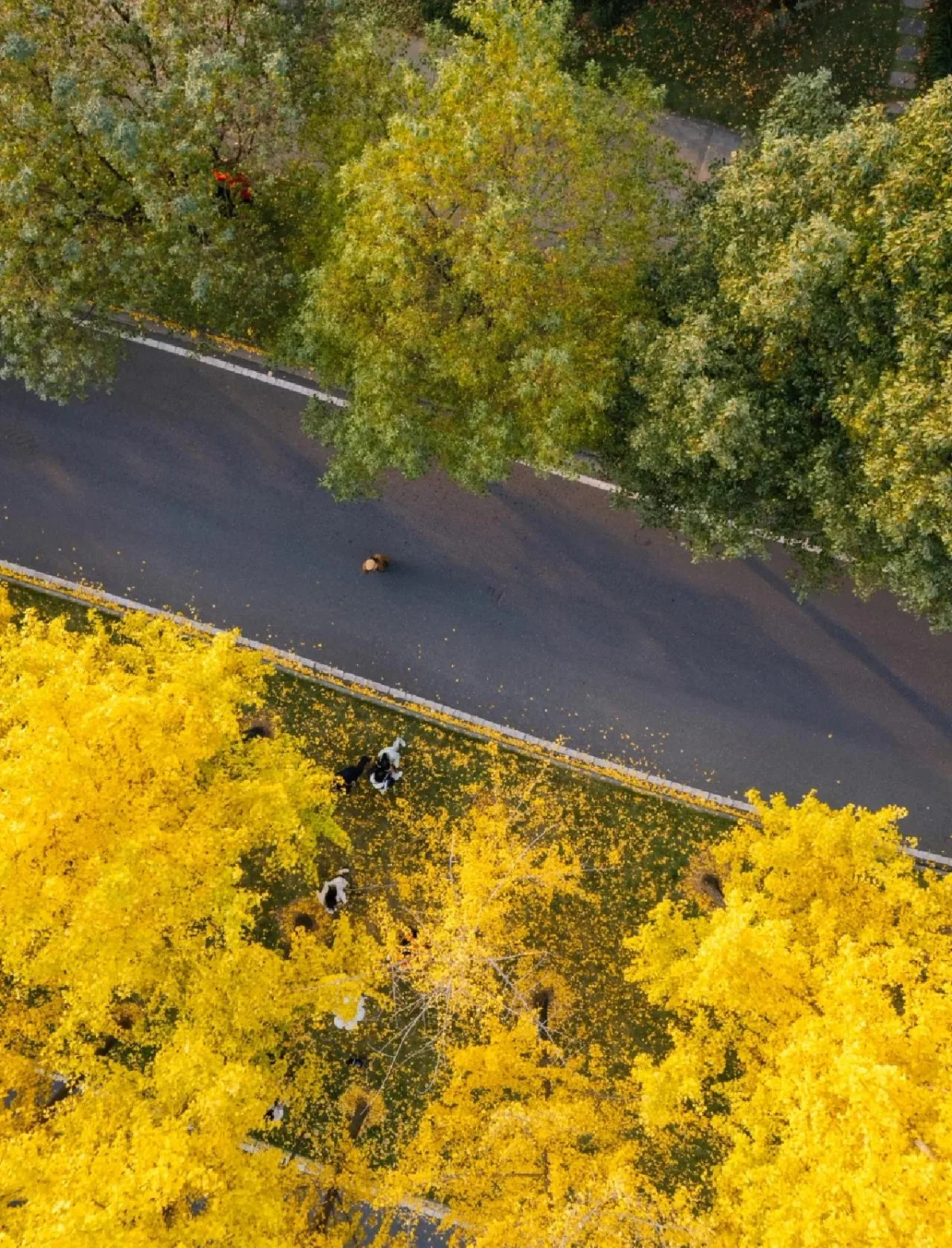
Late November, when the ginkgo canopy turns gold and the ground beneath disappears.
December-February: the quiet city
Wuhan winter is not spectacular. It’s damp-cold rather than bitter. Temperatures hover between 0°C and 8°C, and the humidity makes it feel colder. But winter light in Wuhan has a quality I’ve never found elsewhere: soft, even, and golden from sunup to sundown. The low winter sun stays at a 30-40° angle all day, and you get “golden hours” worth of light at 10 AM and 4 PM.
What to shoot: What the city looks like when it’s not putting on a show.
Snow in Wuhan is rare (once every two or three years on average) but when it comes, the city transforms. Snow on Yellow Crane Tower’s yellow tiles is the shot every Wuhan photographer is waiting for. It usually happens in January or February, and it melts within 24 hours. When it starts falling, you have one day. The old Hankou European buildings under snow are even better than the tower.
The Yangtze fog is winter’s signature. Cold air over warmer water creates a low ceiling of mist that sits on the river for days. From the bridges, the cargo ships emerge out of white nothing. The far bank disappears. This is atmospheric photography without filters. Shoot from the Yangtze Bridge at dawn and the mist in the river valley blends with the fog above so you can’t tell where water ends and sky begins.
Winter markets: The months before Chinese New Year (usually January or February, lunar calendar) bring outdoor markets in every neighborhood. Red lanterns, stacked goods, the improvised architecture of tarps and crates: this is spring festival preparation shot in natural light. The best markets are in the back lanes off Jianghan Road, to the south. The light in these lanes is reflected and soft because the buildings are close together and the sky is small.
Hot pot steam: Indoor photography assignment. Wuhan winter hot pot (火锅) restaurants at 6 PM: the steam from the pots catching the warm interior light. Shoot through the window from outside. Angry customers, happy eaters, the red lantern above the door. This is Wuhan winter as it actually is.
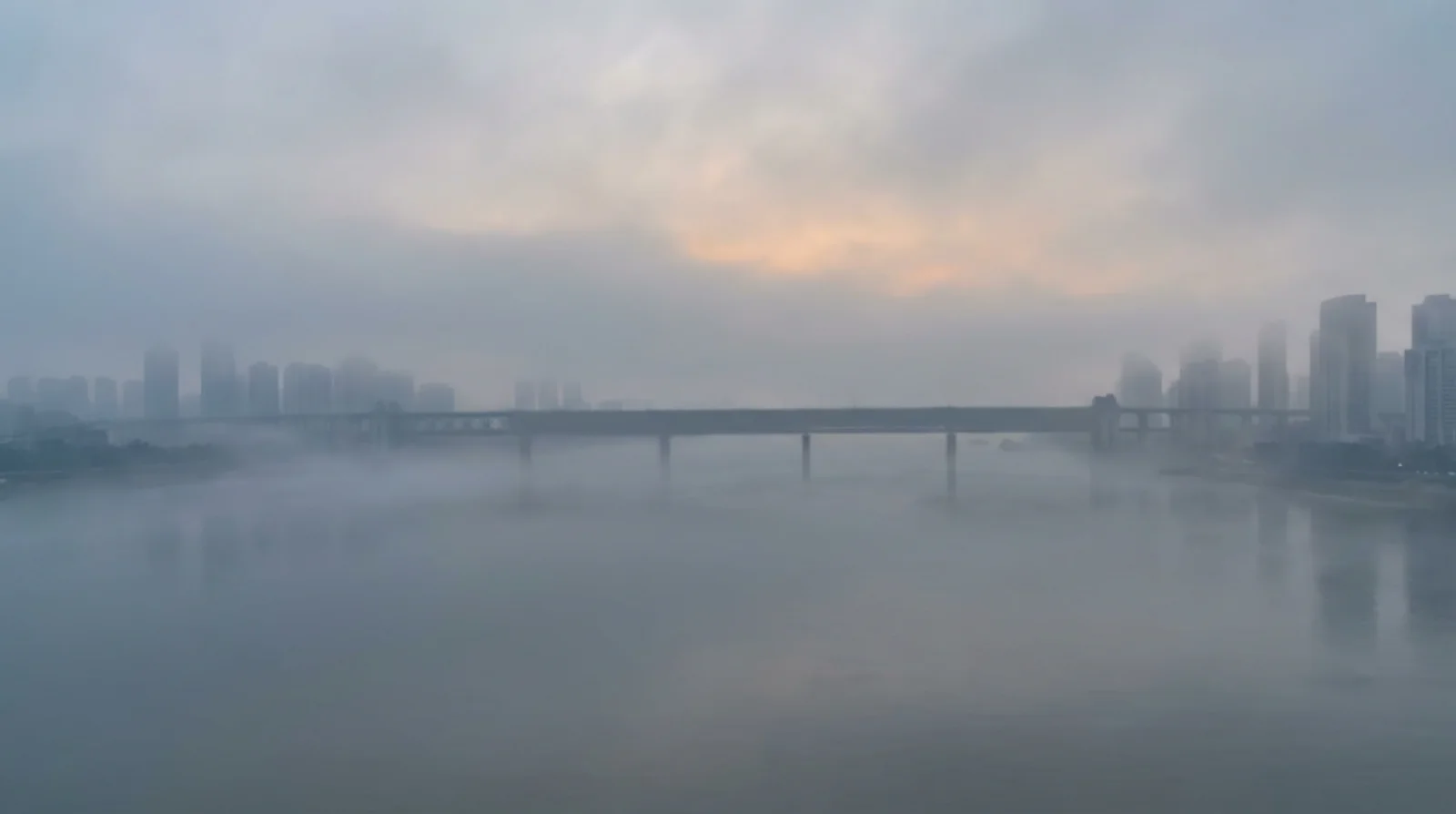
Yangtze fog, January. The river disappears, and the ships float through white.
The calendar that actually matters
You asked me to photograph Wuhan in one trip, and the honest answer is this: one season, one subject.
-
Late March: Cherry blossoms for 14 days. Shoot the university at dawn, the East Lake garden in mid-morning. You need two days.
-
Late July: Lotus at East Lake for three weeks, plus storm light on the Bund (two-hour windows, unpredictable). You need a week to catch both.
-
Mid-November: Ginkgo (two weeks), Yellow Crane Tower golden light (three weeks of optimal angle), autumn East Lake colours (three weeks). This is the season I’d pick. Six weeks of good shooting, the best light of the year.
-
Any winter: Fog, markets, mood. No fixed calendar, but plan on a week of crisp mornings.
What I’ve learned after 18 years is this: Wuhan doesn’t need to be photographed in perfect conditions. The perfect condition here is the mundane one: a lunchtime light in January, summer haze making the sky white, autumn rain on a red brick wall. The city photographs best when people aren’t performing for the camera. When the photographer isn’t trying to turn it into something else.
Wuhan is what it is. A river city, hot summers, cold winters, a spring that won’t stay, an autumn that’s worth waiting for. Point your camera at what’s actually there. That’s the shot.
Have a Wuhan seasonal shot I should see? Email me. Weather complaints also accepted.
Related:
-
Where to Point Your Camera: A Wuhan Photography Location Guide: the location deep-dive
-
Best Time to Visit Wuhan: weather, crowds, and what to pack for each season
-
Wuhan University: Cherry Blossoms: spring’s main stage
-
East Lake: Wuhan’s Green Heart: lotus, maples, and the greenway
-
Wuhan in Summer: Surviving China’s Furnace City: what the heat actually feels like
-
Walking the Yangtze Bridge at Night: where the winter fog shots happen
-
Hankou’s Lifang: The Vanishing Alleyways: the red brick that glows in autumn rain