
Mid-Autumn Festival in Wuhan is less about the moon and more about what you show up with at your girlfriend’s parents’ house. I’m exaggerating, but not by much.
The holiday lands on the fifteenth day of the eighth lunar month. The date shifts every year, but the pattern doesn’t: people give mooncakes, people eat far too much, someone in the family gets mildly drunk and says something they’ll regret in October, and the actual moon viewing lasts about nine minutes before everyone goes home.
The mooncake economy
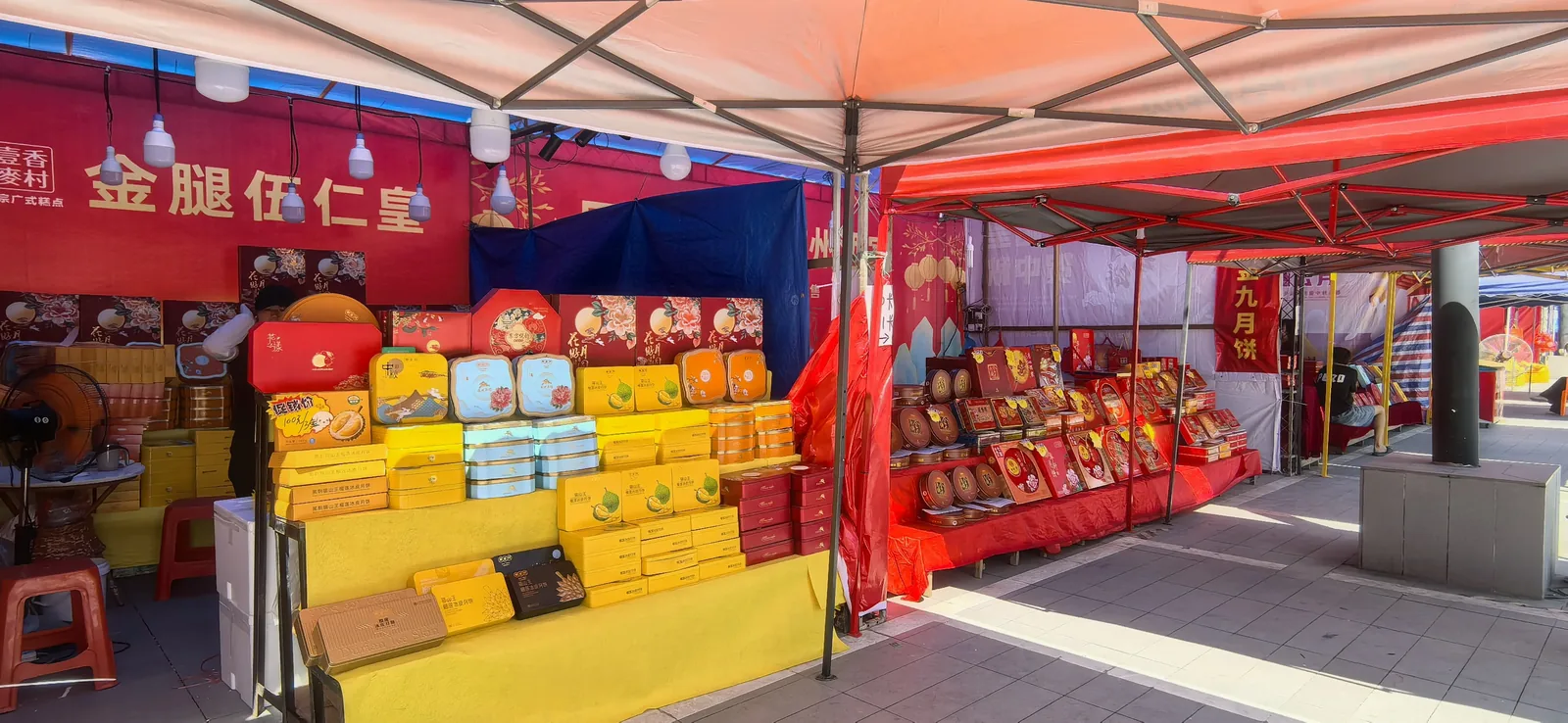
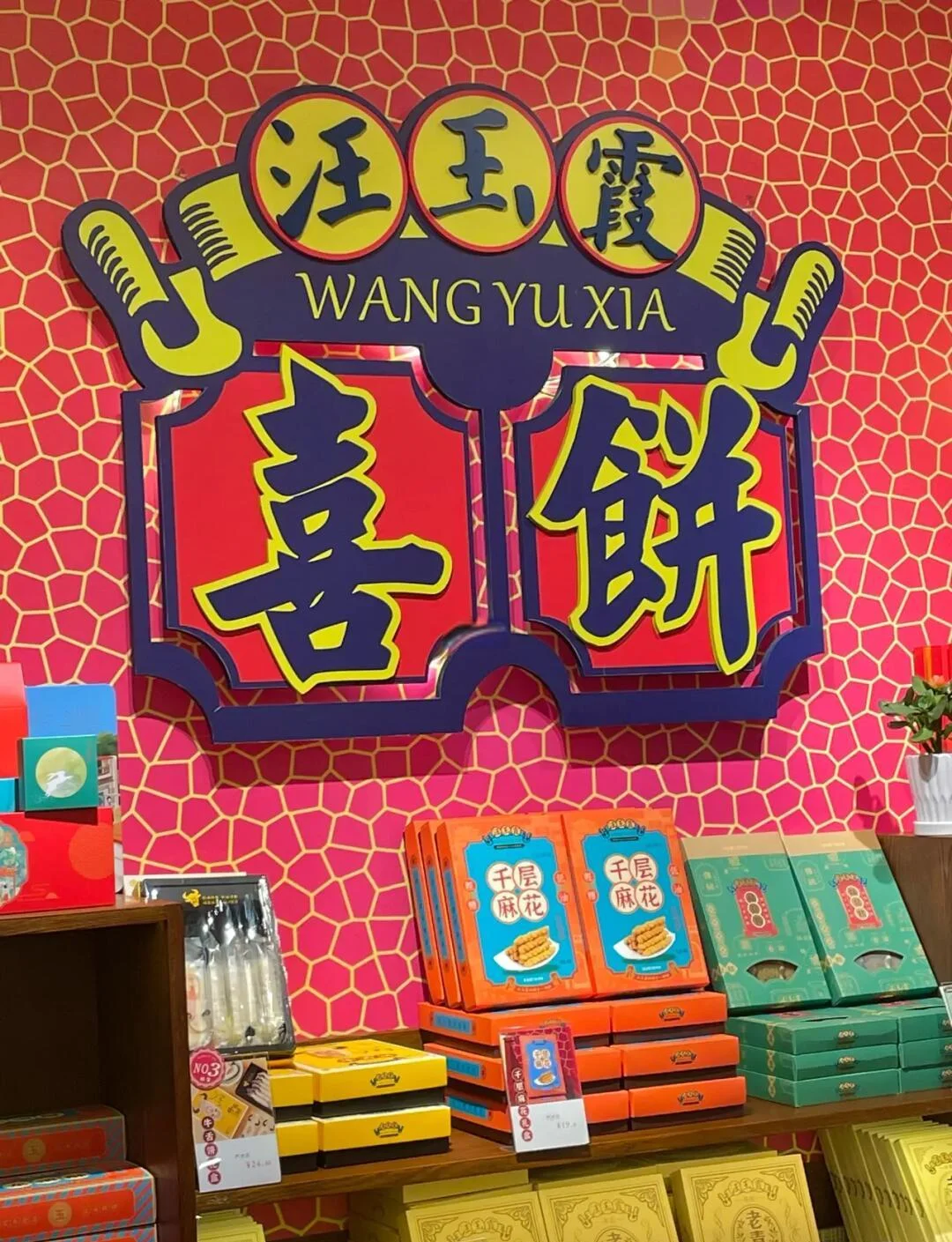
From about three weeks before the festival, Wuhan turns into a mooncake Everywhere You Look situation. Hotels stack boxes in their lobbies. Convenience stores dedicate an entire aisle. Office workers carry two boxes on the subway (one for parents, one for in-laws) and try not to look as tired as they feel.
The traditional Wuhan-style mooncake is different from the Cantonese version most foreigners have seen. Wuhan’s crust is more like a flaky pastry, almost shortbread-like. The fillings lean toward sweet bean paste with salted egg yolk, but also towards savory meat fillings that would confuse someone who thought mooncakes were strictly dessert. Beijing-style mooncakes show up too, and Guangdong-style are everywhere in supermarkets. But the local pride is in the old-school pastry shops that still make and sell them fresh on premises, no fancy packaging, just stacked in cardboard boxes that fall apart if you look at them wrong.
A cake shop near Jing’ai Temple in Hankou sells only Mid-Autumn goods from about August onward. The line stretches around the block in strong years. People wait two hours for 6-yuan mooncakes. They could buy fancier ones across the street at half the price. They don’t. They tell themselves the taste justifies the wait, but really it’s that standing in that particular line feels like the holiday is real. The rest of the year’s festivals, including the ones tourists miss, are in Wuhan’s Year: A Calendar of Festivals, Floods, and Stubborn Celebration.
Where people actually go
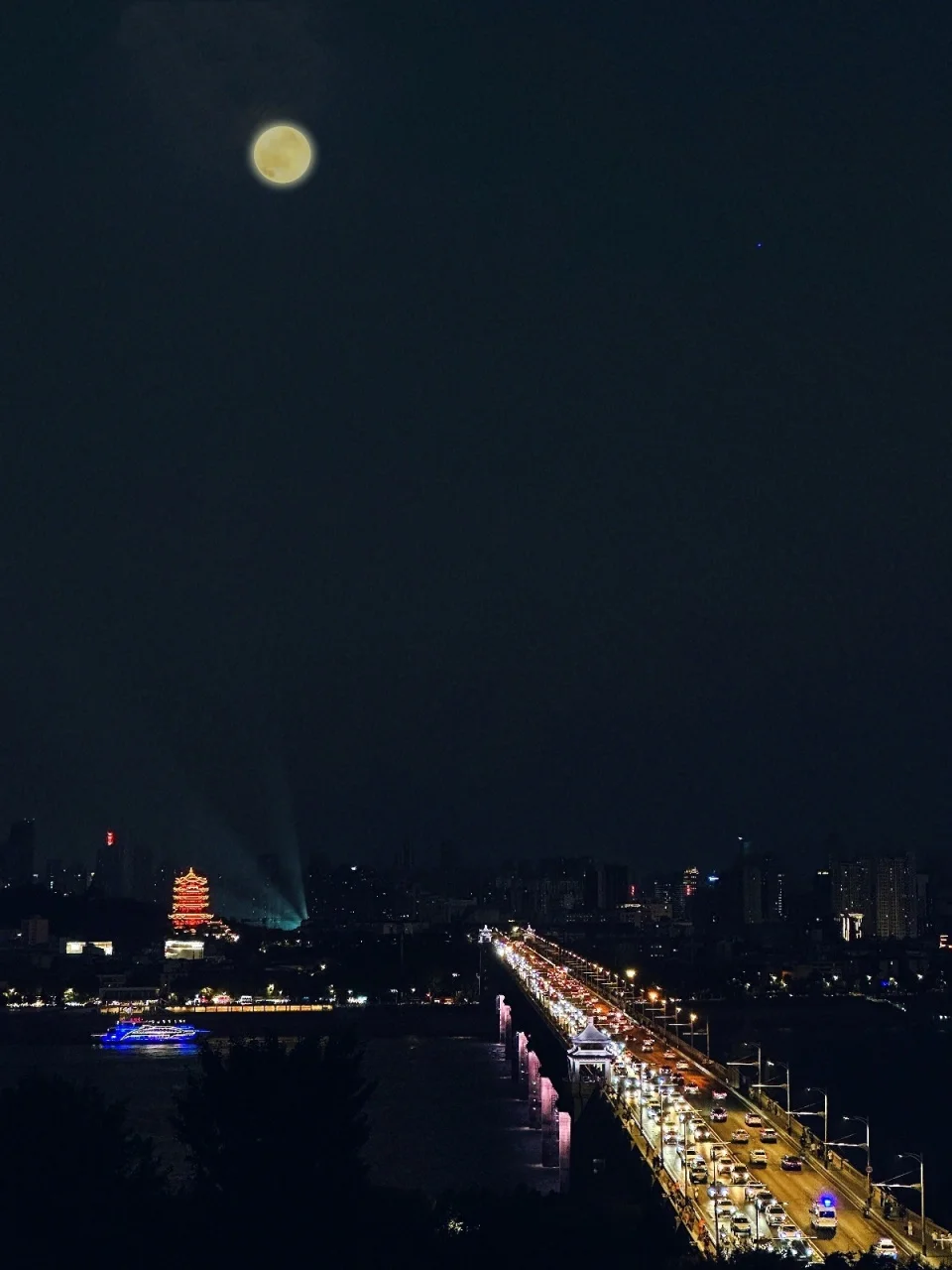
Wuhan’s geography gives it an advantage for moon viewing when the weather cooperates: the Yangtze and Han rivers.
The riverside promenades in both Hankou and Wuchang fill up after dinner. Families spread plastic stools and towels on the ground. Kids run around with battery-powered lanterns. Old men who walked here every evening of their lives walk here again tonight, except now there are more people and the moon is the stated reason.
Some Wuhan families climb to higher ground: the top of Sheshan or parts of the East Lake hillside where the view clears the buildings. Others drive across the Yangtze River Bridge and claim a spot somewhere in between the cities, where the sky feels wider.
If the night is cloudy, which it sometimes is, people complain but carry on. The point was never really the moon. The point is being in the same place as the people you’re supposed to care about.
The Unspoken Rules
If you’re a young person in a relationship, Mid-Autumn Festival means visiting one set of parents. The other set gets visited at Chinese New Year. This alternation is not written down but everyone follows it, and deviating requires an explanation that no one wants to give.
The gift you bring matters. Mooncakes alone look like you put no thought into it. Mooncakes plus fruit is the minimum. Mooncakes plus fruit plus something specific to the household (good tea for a tea-drinking father-in-law, health supplements for aging parents) is what you bring when things are going well. What you bring when things are falling apart is a more expensive version of the same things, plus visible anxiety.
Elderly relatives use the holiday to perform health. “I’m fine, I’m fine” is the phrase of the evening, delivered while someone’s daughter counts the number of pills in the medicine cabinet and their mother pretends not to notice.
Foreigners living in Wuhan are sometimes invited to join a family’s Mid-Autumn gathering. This can feel like warmth. It can also feel like an exam you didn’t study for. The safest move is to bring something small, eat what’s put in front of you, and leave at a reasonable hour. Don’t bring mooncakes. You’ll be competing with family pride on that front and you will lose.
What foreigners actually need to know
Most of your Chinese coworkers will take one or two days off. Workplaces that have not yet distributed mooncake gift boxes will do so in the final days before the festival. Don’t be the foreigner who says “I don’t really like mooncakes” to the box-bearing colleague. Eat a piece and say it’s good; this is a survival skill.
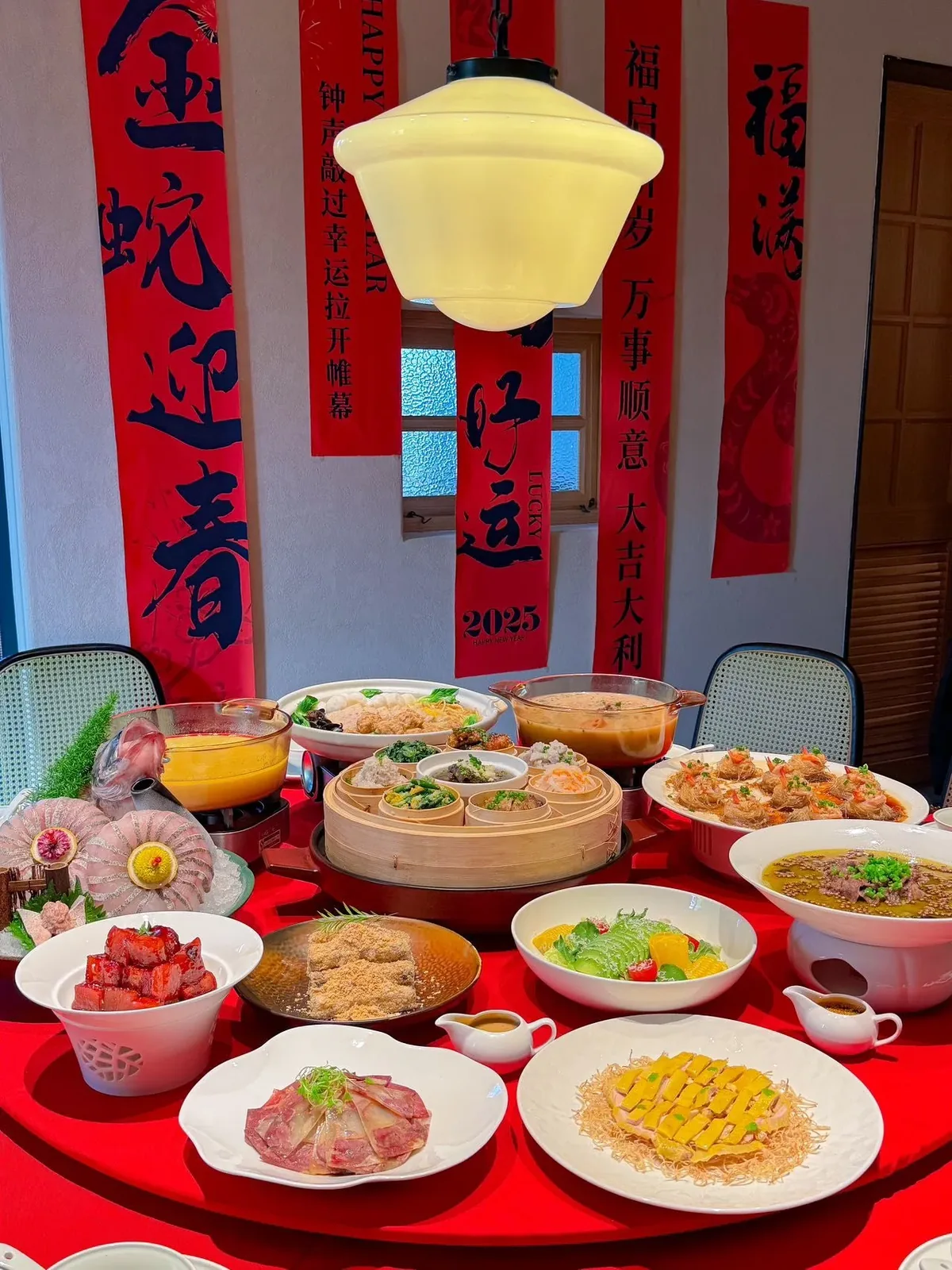
Restaurants get booked solid for the evening. If you want to eat out with friends that night, reserve in advance or resign yourself to a late table. Hot pot places do not care about the moon, but they do care about turning tables.
The holiday is a useful window into how Wuhan families actually work: the performance of closeness, the obligation dressed as affection, the old people who drink too much tea and the young people who’ve already checked their phones forty times before the tea is finished. You don’t have to love it. Just don’t skip it. Being present is half the education of living here.