
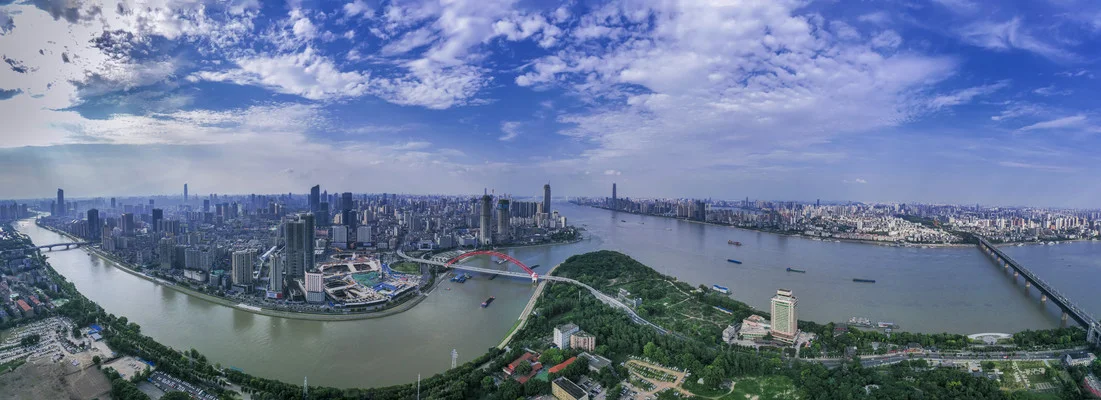
Ask three locals where they’re from and you’ll get three answers, all claiming the same city: the Wuhan person from Hankou will tell you they’re “from Hankou,” and Wuchang people are “over there.” The Wuchang native will say they “live in Wuchang,” as if the other two towns are weekend trip destinations. And the Hanyang person will just smile, because everyone forgets Hanyang exists until someone mentions the auto plant.
This is not trivia. This is the operating system running under everything Wuhan does.
Hankou: the merchant
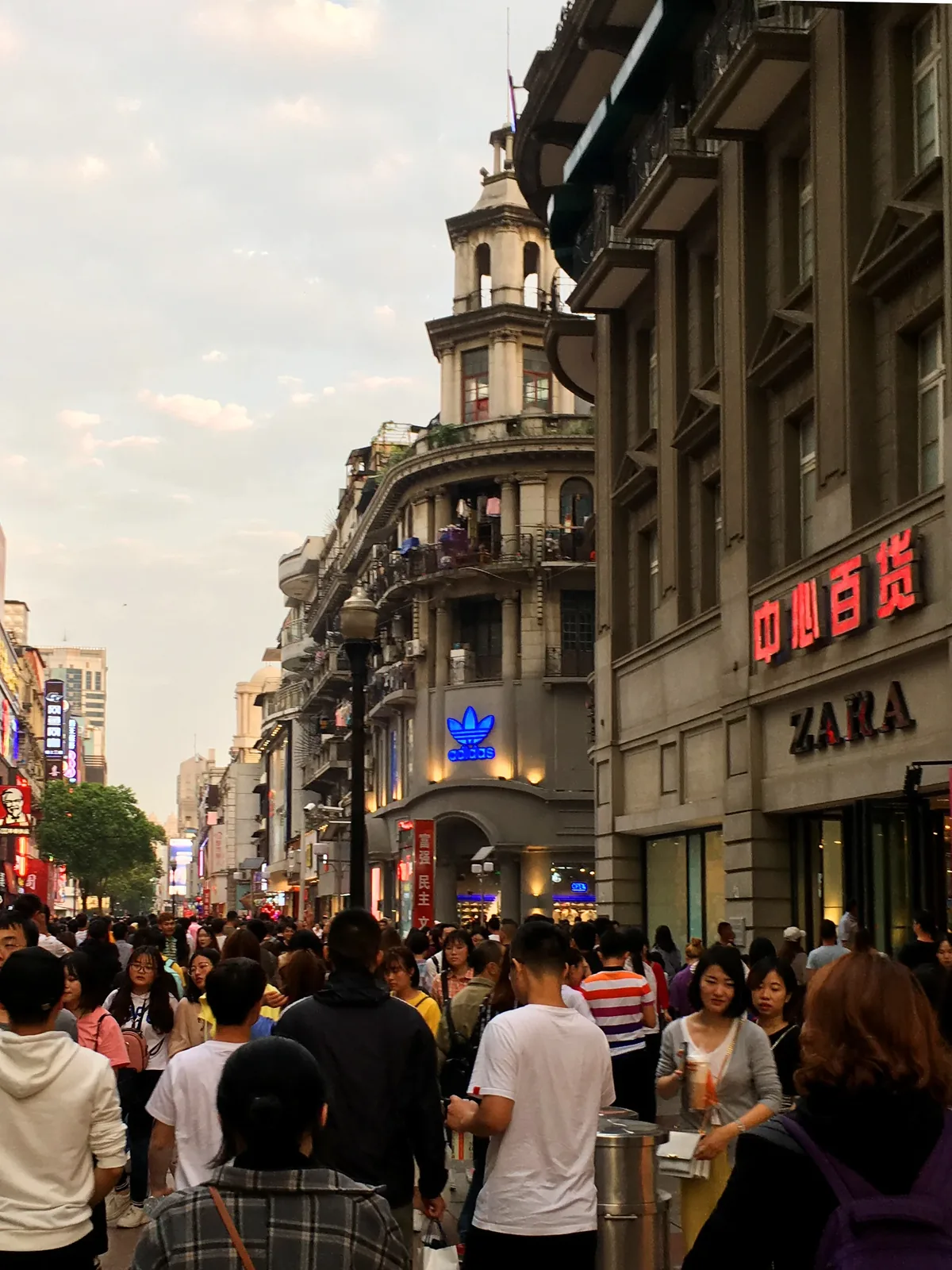
Hankou was the money. In the late Qing dynasty it was one of China’s four great commercial ports (alongside Suzhou, Foshan, and Jingdezhen) and it never quite got over being the place where things got sold. Foreign powers built concessions here starting in 1861. The British, Russians, French, Germans, and Japanese each took a section of riverside and erected their consulates, banks, and trading houses. Most of those buildings still stand along the Hankou riverfront, now used as offices, restaurants, and expensive coffee shops.
That trading-post DNA didn’t fade. Hankou people think of themselves as the cosmopolitan ones. They talk louder. They dress slightly better, or at least slightly more deliberately. A Hankou person doesn’t study the menu, since they’ve already decided and just wanted to confirm the price.
The accent is softer than Wuchang’s, with a particular fast-drawl quality that sounds friendly to outsiders and sounds like bullshit to Wuchang people. Hankou’s business district legacy means it has the most concentrated collection of high-end stores, banks, and imported anything in the city. Jianghan Road pedestrian mall was Wuhan’s first modern shopping zone in the 1990s, and Hankou locals will still tell you it’s better than anything in Optics Valley. They might be right about certain things. They’re wrong about others. How Hankou became what it is, historically, is in Hankou: The River Port That Became China’s Chicago. The long history of Wuchang is covered in Wuchang: 1,800 Years from Fortress to Revolution.
Wuchang: the intellectual
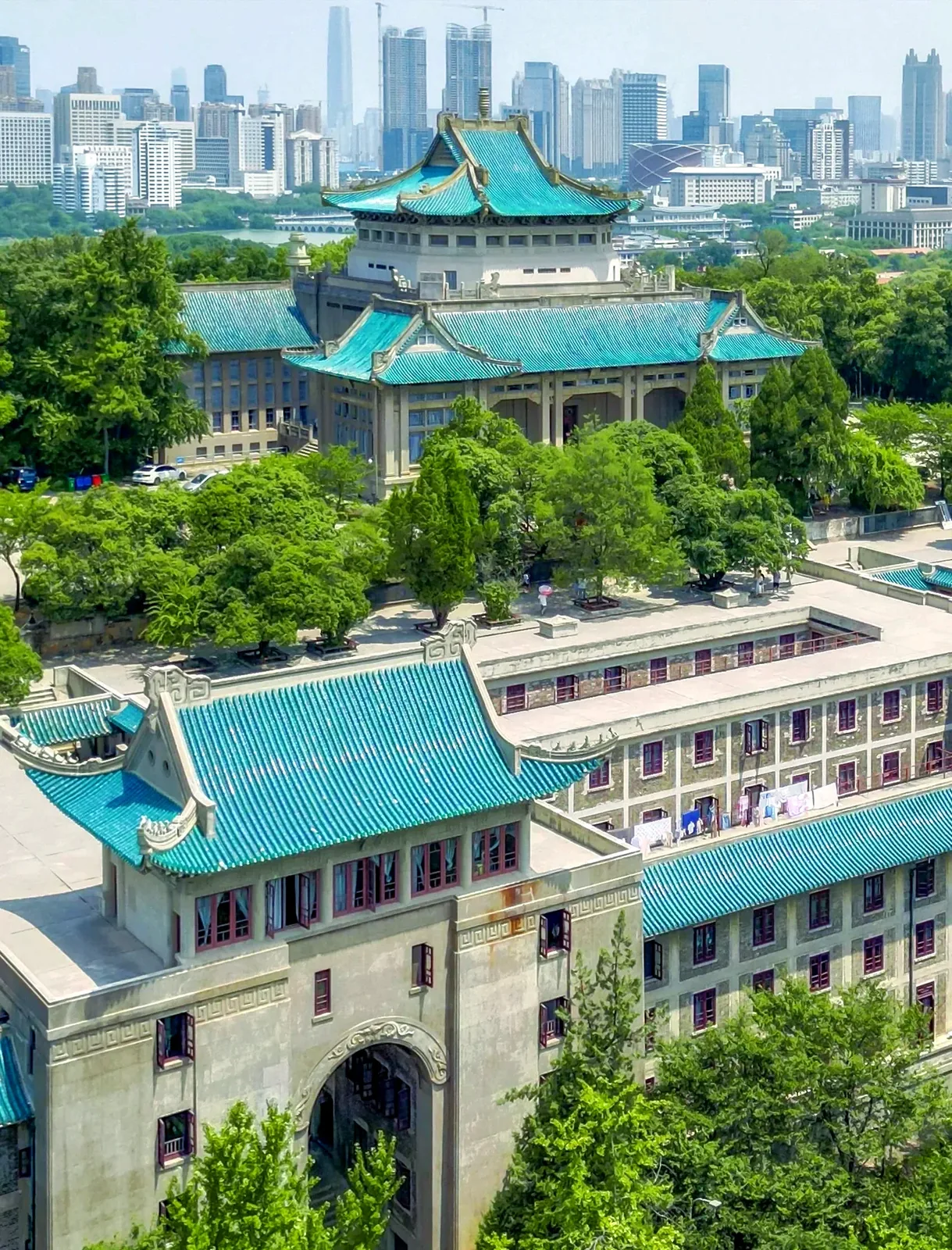
Wuchang has the universities, the government, and the attitude that comes with both. More than twenty institutions of higher education are packed into this one stretch of land along the eastern shore of the Yangtze. Wuhan University and Huazhong University of Science and Technology sit there as the rough equivalent of Harvard and MIT if they’d been built on top of each other with shared parking problems.
The resulting population mix is dense: students, professors, government officials, museum staff, Yellow Crane Tower tourists. Wuchang people consider themselves more serious than Hankou people. They’ll tell you they read more, care more about education, and have less patience for Hankou’s preoccupation with looking wealthy.
The Wuchang accent is sharper, with harder consonants. Local old-timers stretch certain vowels differently from Hankou in ways that natives can spot instantly and foreigners shouldn’t worry about. Within Wuhan, the stereotype is that Wuchang people talk like they’re arguing even when they’re not. Hankou people find this exhausting.
Politically and administratively, Wuchang runs the province. The provincial government offices sit here, and so do the museums. The older temples (Baotong Temple on Hongshan, the Confucius temple near the old city center) sit here. When official histories of Hubei province are compiled, they’re compiled in Wuchang, which gives the town a gravity that Hankou’s money doesn’t buy.
Hanyang: the builder
Hankou sells things, Wuchang administers things, and Hanyang makes things.
Hanyang’s identity was forged in iron. Zhang Zhidong, the Qing statesman who pushed modernization in the late 1800s, established the Hanyang Iron Works here in 1890: one of the first modern steel plants in China. The famous Hanyang-made rifles that armed revolutionary forces came from here. By the early twentieth century, Hanyang was the industrial heart of inland China.
That legacy doesn’t dominate daily conversation the way Hankou’s commercial history does, because factories are less glamorous than trading houses. But it shaped the personality. Hanyang people have a stereotype of being down-to-earth, practical, less concerned with appearance. Skill matters more than display. If your neighbor fixed their own plumbing and the pipe held for twelve years, that’s a Hanyang neighbor.
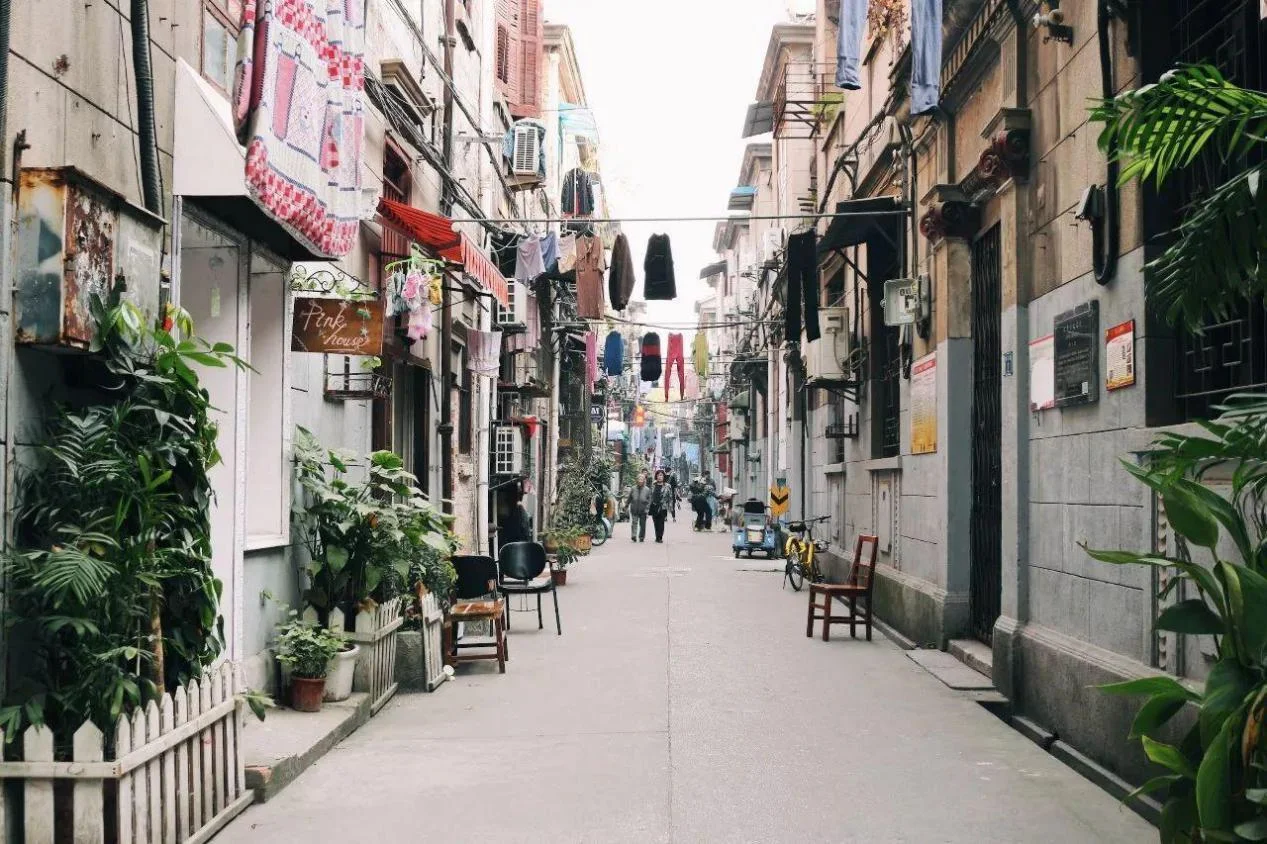
Today Hanyang hosts one of the country’s major auto manufacturing bases: Dongfeng Motor has enormous operations on this side of the Han River. The old industrial sites that didn’t make it are being converted into cultural complexes and creative parks. Hanyang’s slow transformation from factory zone to something else is the least complete of the three towns, which means the rents are still somewhat reasonable and the restaurant scene is still somewhat local.
Where Hankou has wealth and Wuchang has credentials, Hanyang has space. The riverside is less developed, the parks are less crowded, the streets on a Sunday morning feel closer to how Wuhan probably felt forty years ago.
How it plays out
Locals don’t think of these distinctions as history. They’re present tense. When someone says a person has “Hankou style,” they mean the person prioritizes appearance, spends on display, maybe talks faster than necessary. “Wuchang style” suggests someone who reads policy documents for fun or argues at dinner about things that don’t matter. “Hanyang style” means someone who fixes their own shoes and knows a guy who can fix anything else for under 20 yuan.
Intermarriage between towns happens constantly. Families span all three. But when someone says “I’m from Wuchang originally,” they’re telling you something: about what music they grew up with, what kind of breakfast they consider proper, whether they think Hankou people are fake or Wuchang people are overly serious.
For foreigners, what it means
If you move to Wuhan knowing nothing else, know this:
Where you live determines what version of Wuhan you get. Hankou gives you international grocery stores, imported meat restaurants, Japanese coffee chains, and neighbors who care about your job title. Wuchang gives you cheap but excellent street food, most of the city’s foreigners from the university, and late-night conversations about literature with random strangers. Hanyang gives you quiet mornings, a 20-minute commute to either other town, and landlords who’ve never met a foreigner before but treat you like any other tenant because that’s what Hanyang does.
There is no correct answer. But if someone asks where you’re living and you say Hankou, Wuchang, or Hanyang, they already know something about you before you open your mouth again.
Welcome to Wuhan. Now you know why your coworkers argue about districts at lunch. It’s been going on for over a hundred years, and nobody’s winning.