
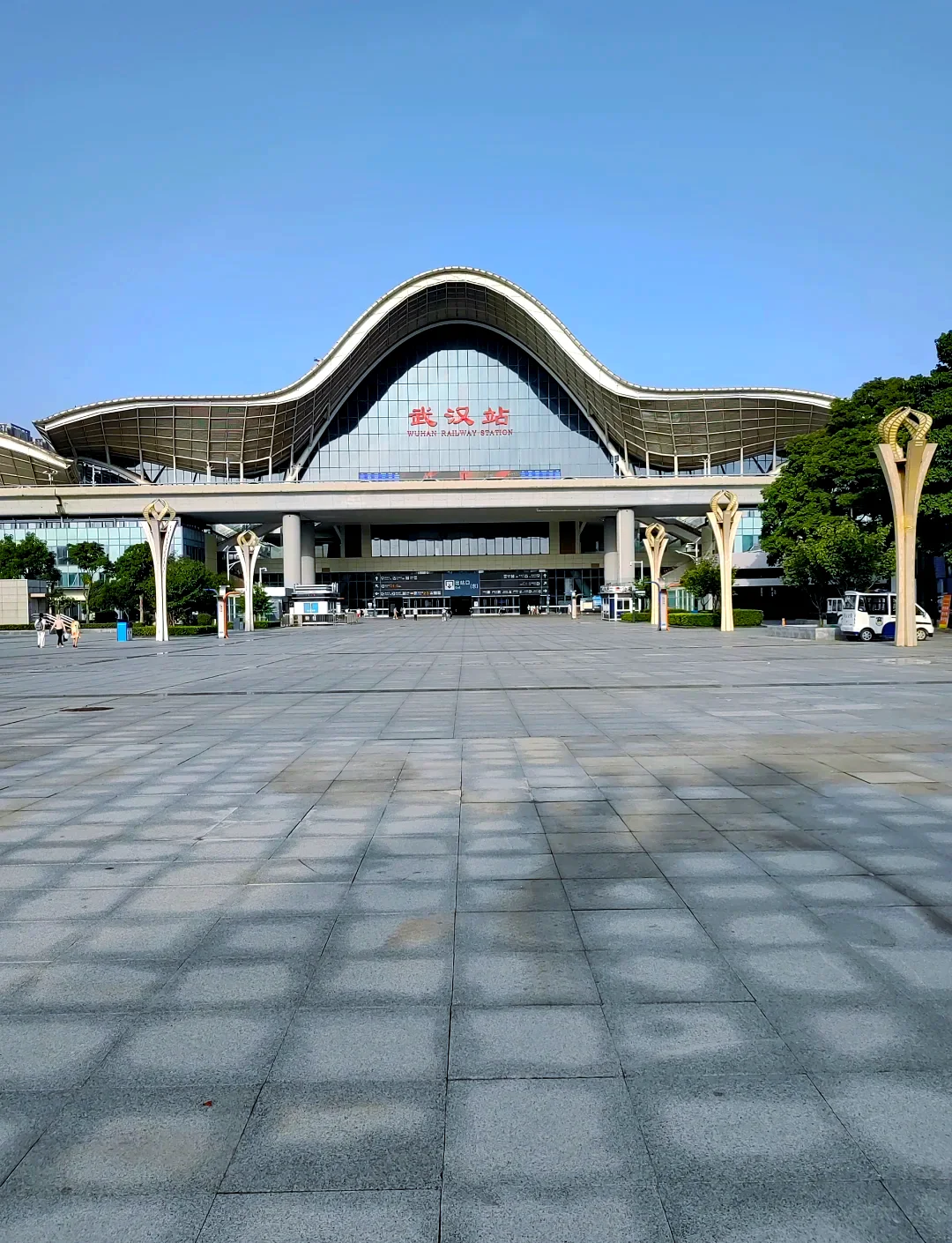
Ask a Wuhan person where they’re heading for the holiday and there’s a sixty percent chance the answer is 成都. Not because Wuhan lacks things to do, because Wuhan people have all already done them. Within three hundred kilometers of the city there is no major historical site, no mountain escape, no food trail left uncleared by a Wuhan tour group with opinions. So when it’s time to leave, the high-speed rail goes west.
成都: The annual pilgrimage
The Wuhan-Chengdu route is essentially a commuter line for people who pretend it’s a vacation. Four hours by train has made Chengdu a second living room. The cycle runs: first trip you visit the major sites (Panda Base, Jinli, Kuan Alley). Second trip you sleep in and eat twice. Third trip and onward you sit in a teahouse in People’s Park doing nothing and reporting to Wuhan friends that you’re “having a full experience.”
Chengdu’s magnetic pull on Wuhan people is the feeling of a city moving slower. Wuhan does everything fast: crossing the street, eating breakfast, switching jobs, getting angry. Chengdu has cultural permission to slow down, to sit, to play mahjong in the middle of a Tuesday without a sense of apology. Wuhan people don’t move to Chengdu. But they visit often enough to have favorite hotpot places that aren’t the ones on the guide apps.
长沙: the feeling of not leaving
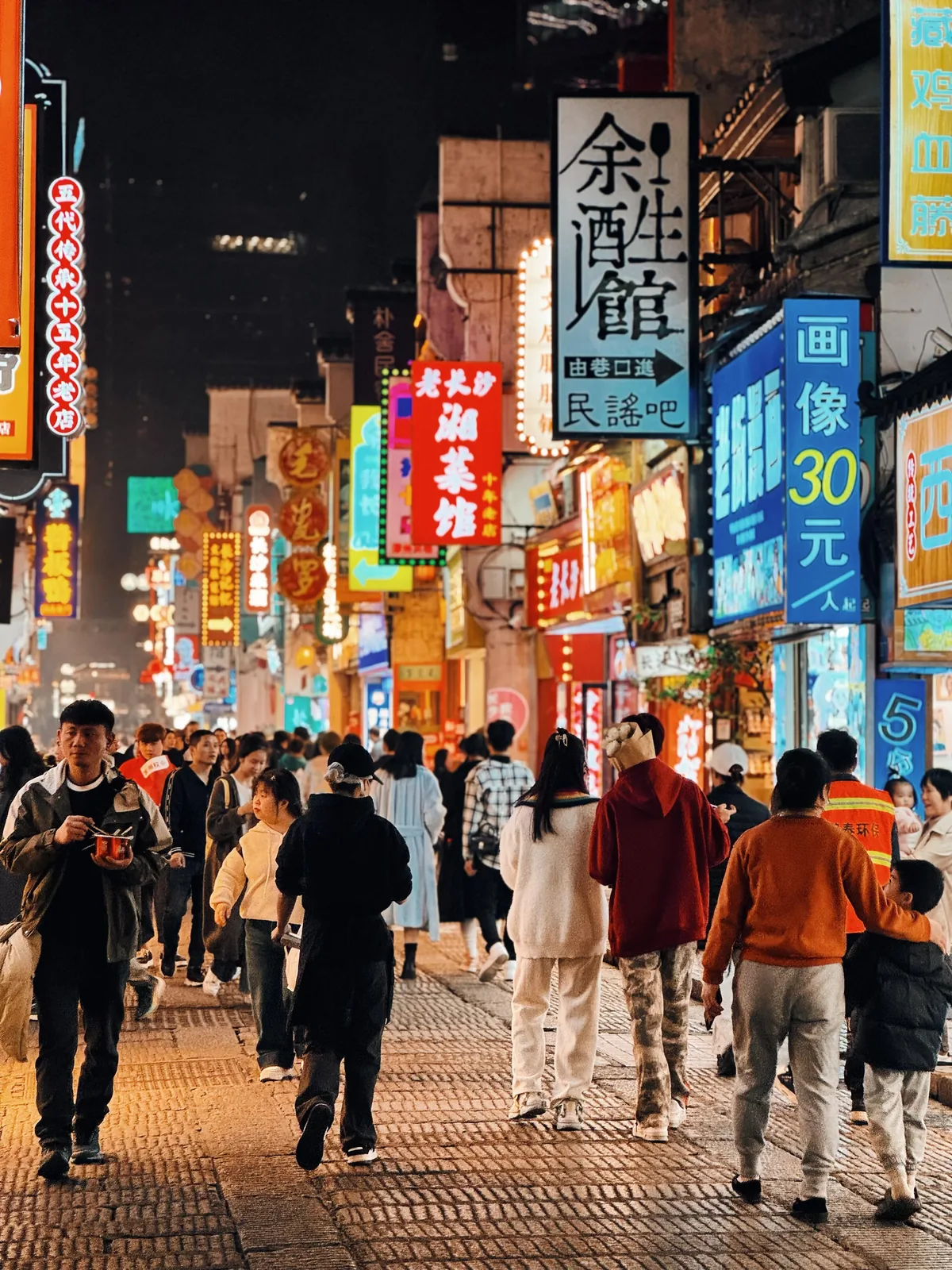
If Chengdu is a trip, 长沙 is a weekend exhale. Three hundred kilometers south, ninety minutes by high-speed rail, Hubei’s southern neighbor functions like a cultural twin with better tea-drinks and a louder nightlife scene.
长沙 becomes the default I-need-to-get-out-of-Wuhan answer among people under thirty-five. The logistics require almost no planning. You leave Friday at 7 PM, you’re eating street food near 麓山 by 10 PM. Saturday is a loop of tea-brunch chains, Meixi Lake or Yuelu Mountain for a low-effort nature fix, and a return Sunday evening. The whole trip costs less than a proper dinner in Jianghan Road.
Its appeal is the feeling of leaving without the effort of actually leaving. Same latitude similar food, virtually identical dialect-accent overlap, a city on the same struggle wavelength but with slightly different snacks. For the in-city half of the trip, 3 Days in Wuhan: A Local’s Itinerary lays out how the three days fit together.
张家界 and 恩施: the nature escape
The 张家界 pilgrimage is real but shows an age curve. Families and over-forty travelers treat Zhangjiajie as a landmark dignity trip. Younger Wuhan residents increasingly shift their nature fix to 恩施: Enshi in western Hubee, a region of river canyons and Tujia minority culture that markets itself as “China’s Guilin without the tourists.”
恩施 has become the nature trip for Wuhan people who’ve already done 张家界 (once) and want the canyon photos without the 30,000 daily tourist count. Enshi’s 恩施大峡谷 offers essentially the same glass-bridge Instagram content as Zhangjiajie’s understudy, minus the tour group bus aroma. High-speed rail access improved this within the last two years, so treat it as recent history still settling.

The 重庆 problem: Chongqing and Wuhan are too similar. Both built around major rivers. Both transportation hubs. Both food cultures built on extreme flavor and chili. Both summer furnaces. The result is that many Wuhan people have visited Chongqing exactly once, mostly for the photo at 洪崖洞, and haven’t felt the need to go back. “Was a good trip” is usually the summary, delivered with the energy of someone recommending an adequate but not life-changing meal. Each of these escapes is covered with transport detail in Beyond the City: 5 Day Trips from Wuhan That Locals Actually Take.
三亚 and the winter escape
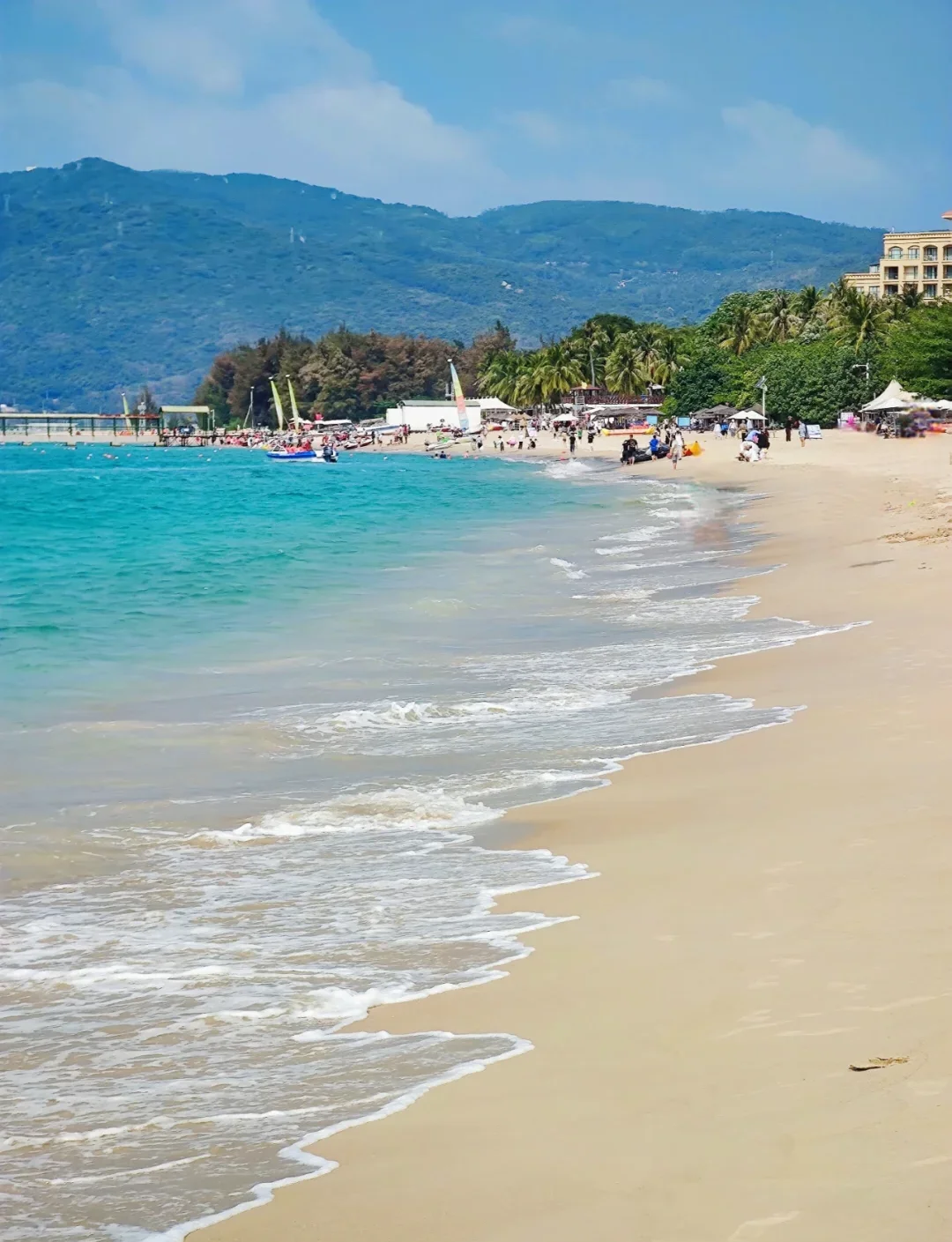
In October through March, many Wuhan families with means activate Sanya mode, because the calculation is straightforward: Wuhan winters are damp and bone-chilling without central heating. Sanya is not. Flights via Wuhan Tianhe have multiplied in the past decade and the city’s WeChat groups fill every winter with shared rental vans, duty-free shopping tips, and airbnbs in Haitang Bay.
The Wuhan-Sanya migration peaks around Spring Festival and the following two weeks. It’s not a secret. Shopping complexes in Sanya have signage in simplified Chinese that could be directly translated from Wuhan dialect. You are not disrupting local culture if you speak Wuhan-accented Mandarin in a Sanya seafood restaurant. Plenty of others did before you.
Other, Quieter Destinations
There is a meaningful subset that goes north and northwest: 信阳 for tea-country quiet (an hour by high-speed rail, absurdly cheap guesthouses). 洛阳 in spring for the peonies: mostly older travelers and the historically minded. Xi’an has become less of a regular stop now that Wuhan’s own eating scene has improved enough to satisfy the post-midnight cravings Xi’an used to require.
Outbound international travel for Wuhan residents leans Southeast Asia (budget beaches, visa simplicity) and Japan (short-haul, multi-city). Far less Europe than Beijing/Shanghai, because European itineraries require longer vacations than Wuhan companies typically grant and more spending-capacity than many families in midland China are comfortable with.
What foreigners in Wuhan should actually do
If you’re new to Wuhan and want to do what the locals do, here’s the real list:
-
Every year: a long weekend in Chengdu (you didn’t need another plan, just do this)
-
Spring: cherry blossoms somewhere without the Wuchang crowds. 无锡 or 南京 or just Wuhan University’s lesser-known back gates
-
A long weekend in Changsha (barely a trip, but the tea alone warrants it)
-
1-2 weeks in 恩施 for proper mountain air
-
October-May: long weekends in 信阳 for tea country quiet and hot springs
-
November-February: one trip south (Sanya or 北海) to feel dry heat again
Don’t follow the guide apps. Follow the Wuhan person who’s been everywhere and complains about each place with the fondness of someone whose complaining is really a form of attachment. They know where to eat in Chengdu at 2 AM, which 长沙 noodle shop actually earns the queue, and which 恩施 canyon entrance has the shortest glass-bridge wait. Their advice is better than anything you’ll find on a Wuhan travel forum, and if you listen well enough they’ll eventually offer to come along.