
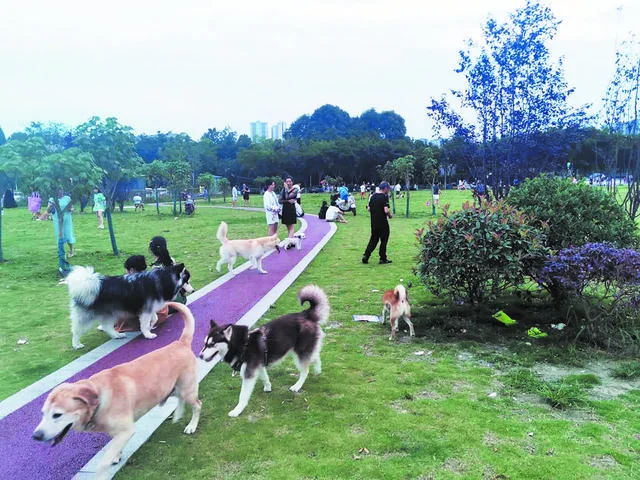
Walk through any Wuhan park at 6 AM and you’d think the city had been taken over by dogs. Not stray dogs: the walked kind. Golden retrievers on designer harnesses with matching leashes. Fluffy samoyeds moving through the park crowd like animated cotton balls. The occasional county-level government SUV parked outside a riverside greenway while an assistant holds a leash for someone important’s bulldog. Wuhan’s pet culture is louder than you’d expect from a city better known for traffic and hot dry noodles, and it’s organized in ways that test your ability to read local social cues.
Morning wars at the riverside greenway
The main morning dog-walking belt runs along both sides of the Yangtze: the Hankou riverfront park district from 永清 to the Second Bridge, and a similar stretch on the Wuchang side near the old river port area. These fills up from about 5:30 AM on weekdays and stays dense past 8 AM on weekends.
Dog people segregate by species without anyone formally choosing to. The non-shedding-group cluster near the west end of most greenways (poodles, schnauzers, anything that requires a 200-yuan haircut every six weeks). The big-dog group owns the middle distances (goldens, huskies, labs). The small-dog territory puddles around the benches where older owners stand while their dogs amuse themselves within lunging distance of the owner’s shoes. No one assigns these zones. Everyone knows where their dog is supposed to be.
To a foreigner used to suburbs where you walk your dog on sidewalk emptiness, the density is surprising. A single Wuhan riverfront section at 7 AM on a Saturday can hold 200+ dogs moving in loops. Collisions are rare because the dogs have grown up in this scene and have better traffic sense than some Wuhan car drivers. The parks are covered in Wuhan’s Parks: Where 11 Million People Go to Breathe.
Cat cafés: a density map
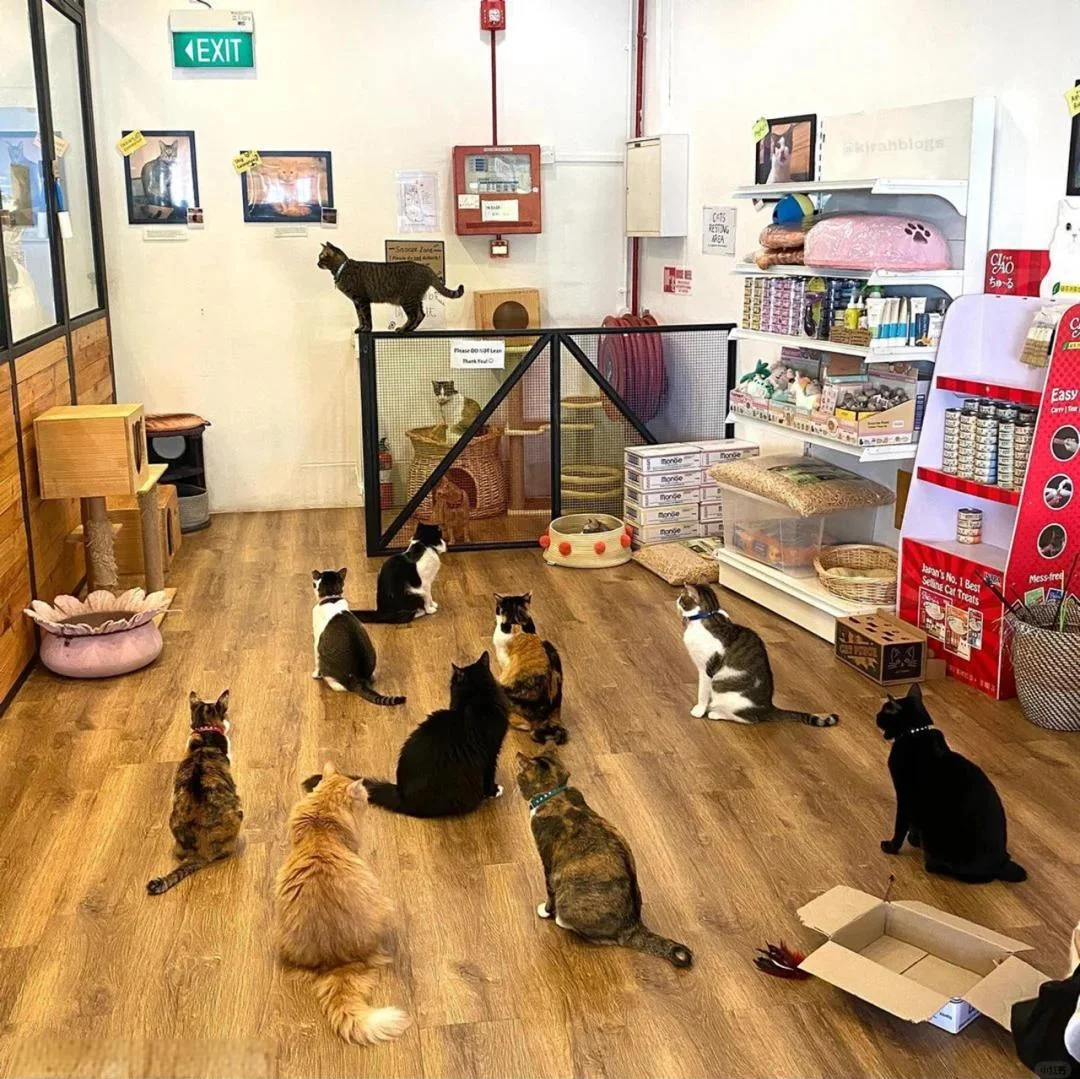
Wuhan’s cat café scene exploded in the late 2010s. Walk down 街道口 near the university district or 楚河汉街 in Wuchang and you can find three to five within fifteen minutes of each other. The quality varies enormously.
The good ones maintain cat welfare visibly: 15-15 animals per café maximum, clearly posted vet visit records, separate areas for cats that need a break from child hands, and a cover charge structure that doesn’t require you to buy overpriced drinks. The bad ones pack thirty animals into a 40-square-meter floor plan and let any paying customer strip the cats of their remaining dignity for a phone photo. The cats in the bad ones have the thousand-yard stare of veterans in a punishing industry.
A reliable pattern: if the café charges 35-60 yuan entry and doesn’t rush you to order a drink, the cats are probably reasonably okay. If it charges 12 yuan and smells like a litter box, leave. Your cat-appreciation session is not worth the stress those animals are under.
The rules that matter
Dog registration is expected. Wuhan has breed and size restrictions that vary by district. Large-breed dogs in residential apartment complexes face less formal resistance in the outer districts (东西湖, 蔡甸) than in the central city (江汉, 武昌古城核心区). If you’re bringing a large dog into a Wuhan apartment, check your lease before you commit: some buildings ban dogs entirely, others restrict based on weight. Violation won’t get you arrested; it’ll get you uncomfortable conversations through the ceiling from the floor above.
Leash law exists but enforcement is uneven. In major parks and riverside spaces, leashes are technically mandatory. In practice, the 6 AM riverfront operates on a system of mutual trust. Everyone pretends to have their dog under control, and the dogs know their owners within a 30-meter radius. The occasional chase sequence is settled by two adults apologizing at each other across a grass median without breaking stride.
Clean up after your dog. This one is actually enforced socially, and Wuhan residents who don’t pick up get called out directly in language focused enough to crisp a lesser dog-owner’s ears.
Where outsider pets actually eat
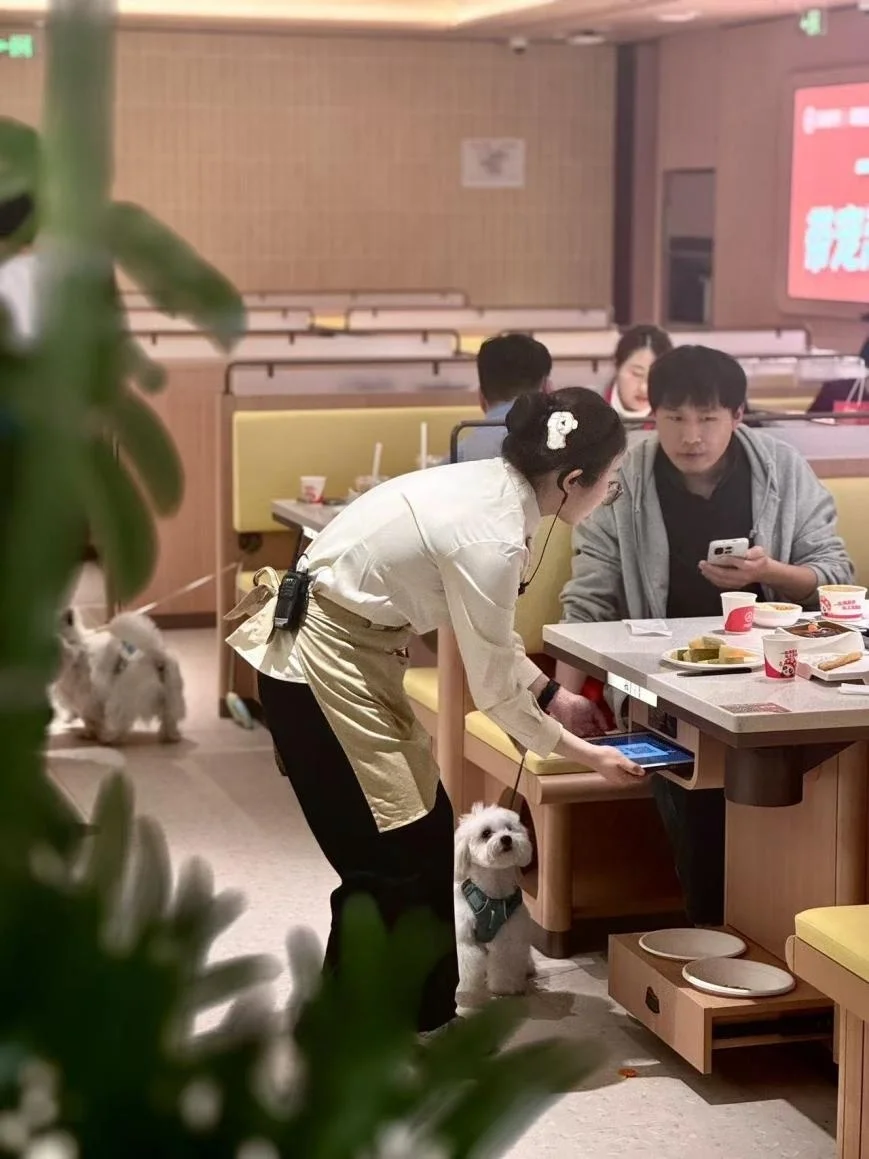
Pet-friendly dining in Wuhan mostly means “the restaurant has outdoor seating and doesn’t mind if your dog sits near your feet.” Actual pet menus (special dog meals, cat treats at a café counter) are limited to a handful of places near the wealthier districts.
The most reliably pet-friendly eateries cluster around two zones: the café-and-office strip near 光谷 (both the Optics Valley software park area and the Guanggu walking-street area have several cafés with outdoor pet policy) and the 西北湖 small-commercial streets in Jianghan. The latter has a micro-cluster of four to five small restaurants where regular dog owners eat Saturday lunch with their dog tied to the table leg, and where staff bring out a water bowl without being asked.
National chains are generally not pet-friendly. Local independently-run places almost always are. A good rule: the smaller and more local, the more your dog is welcome.
Adoption and rescue reality
Wuhan’s rescue scene operates largely through WeChat groups and a handful of informal shelters scattered outside the Third Ring Road. There are no major city-operated adoption centers with anything resembling the operations of a Western humane society, just individuals and small organizations that foster animals in apartment living rooms and renting warehouse space for weekend adoption events.
If you’re looking for a Wuhan rescue dog: follow the WeChat accounts of local vets. They almost always know someone who knows someone who’s over capacity. Most rescue dogs in Wuhan are mixed-breed local dogs (loquately called “土狗” or 中华田园犬) rather than surrendered purebreds. The mixed-breeds tend to be healthier, sharper on traffic survival instincts, and more adapted to the Wuhan heat cycle than purebred alternatives.
Summer: the season that kills carelessness
This is the most important thing non-locals need to know: Wuhan summers kill dogs left in hot cars in under fifteen minutes. The sidewalk temperature in July and August can exceed 55°C at surface level. Walking a dog at noon on asphalt can burn paw pads, and Chinese social media runs periodic posts about heat-killed pets every year.
If you own a dog in Wuhan, walk before 7 AM and after 7 PM in summer. Invest in a harness rather than a collar (heat + humidity = breathing difficulty, especially for flat-faced breeds). Carry water on every outing from May through September. A Wuhan friend with a husky told me their ice-vest purchase for the dog was the best 80 yuan they spent that year. The vest works. Use the technologies available.

The deeper pattern
Wuhan’s pet culture reveals something about the city that the economic data doesn’t show: 11 million people in a fast-moving, stressful city have chosen to organize portions of their daily life around animals. The morning dog loop isn’t just exercise. It’s the consistent social contact that Wuhan’s otherwise hyper-mobile population struggles to maintain in other forms. The cat café exists because 25-year-olds working 12-hour days in Optics Valley need fifteen minutes of fur on their lap and the living proof that something in the city is calm, unbothered, and doesn’t care about quarterly performance reviews.
Foreigners with pets in Wuhan find the overall experience surprisingly positive. Vets are cheap and competent. Parks are dense. The community, if you join the right WeChat groups, is welcoming. Start your search in 光谷 or 西北湖: both have active English-speaking pet-owner communities, and within a month you’ll know whose dog gets the first turn at the water-fountain and whose cat café actually pays the cats enough in tuna to justify the setup.