
Sooner or later every foreigner in Wuhan asks the same question: why are parents here even more intense about school than your supposedly Asian-parent friends back home?
The answer is that they are. Specifically. And the structural reason is the gaokao.
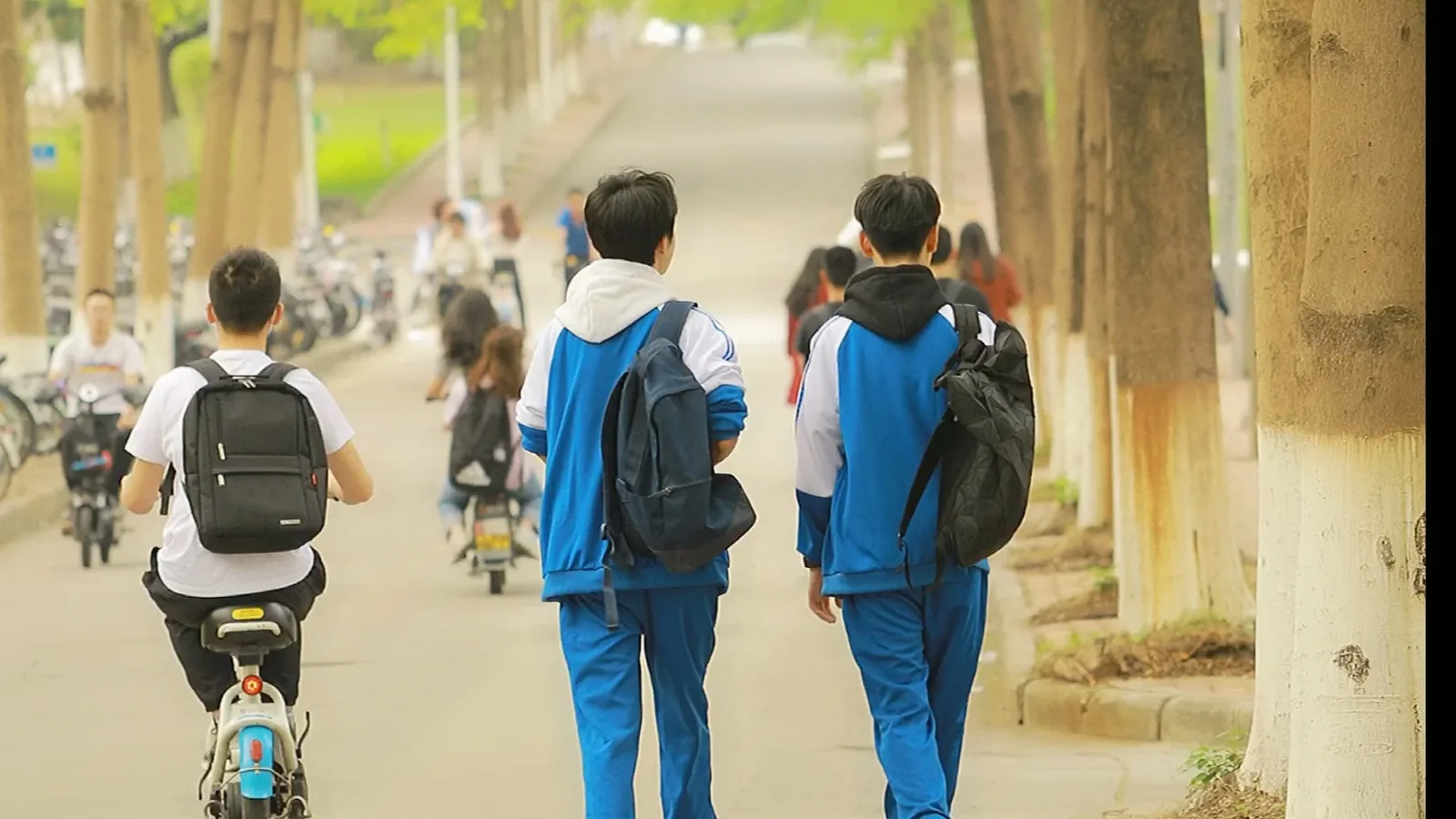
The one school that defines everything
Huazhong Normal University No. 1 High School (usually called “华师一” by everyone in Hubei) is arguably the most important institution in Wuhan that isn’t a university. Its gaokao results routinely place it among the top five high schools in all of China. Students from here flood into Tsinghua and Peking University every year. The school spirit is not subtle: the gate probably has a banner about how many students hit the top scorers list last June.
华师一 is not alone. There’s Wuhan Foreign Languages School, which sends a significant number of students to top international universities each year. There’s Shengshi High School, Hubei Experimental High School, and roughly a hundred others competing to turn fourteen-year-olds into gaokao-scoring machines.
In the public imagination, the path runs: get into the right middle school, then the right high school, then the number on your gaokao determines the rest of your life. This is mostly not true in practice, but enough parents believe it that it functions as a self-fulfilling prophecy of stress. The wider university picture is in Wuhan’s Universities: Why 1.3 Million Students Call This City Home.
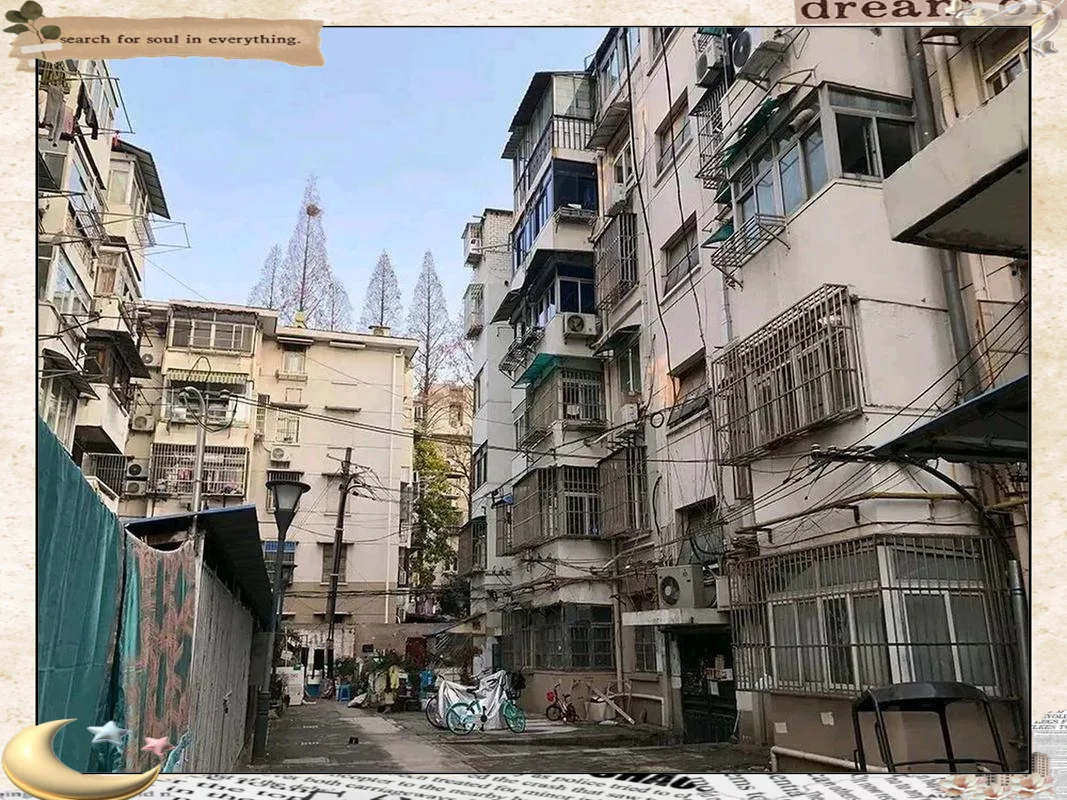
School district housing: where absurd becomes normal
In most cities, “学区房” means a house near a good school costs more than one somewhere else. In Wuhan, it means a 40-square-meter apartment built in 1995 with plumbing that vibrates can cost 35,000-50,000 yuan per square meter (comparable to prime Shanghai real estate) solely because of its designated school.
The system works on a catchment-area model: your kid gets into whichever public school physically sits closest to your registered residence. Buy an apartment in the 水果湖 district, and your child is positioned for 水果湖 Primary and then into 水果湖 Middle School with a pipeline to one of the major high schools. Buy three subway stops away in a neighborhood with worse schools, and the gaokao stress curve steepens.
This means families will buy apartments they’d never otherwise live in. Couples divorce on paper so one parent can buy into a district separately for documentation purposes. Elderly grandparents register an apartment in their name so their grandchildren can ride their school slot. The stories are depressingly creative.
The paradox: a kid in a crumbling 1990s apartment in 水果湖 has a structurally better chance than a kid in a modern three-bedroom across the street in a different school zone. The apartment quality means nothing. The address means everything.
What foreign families actually do
Most foreigners with school-age kids in Wuhan cluster around two paths: international school or public immersion.
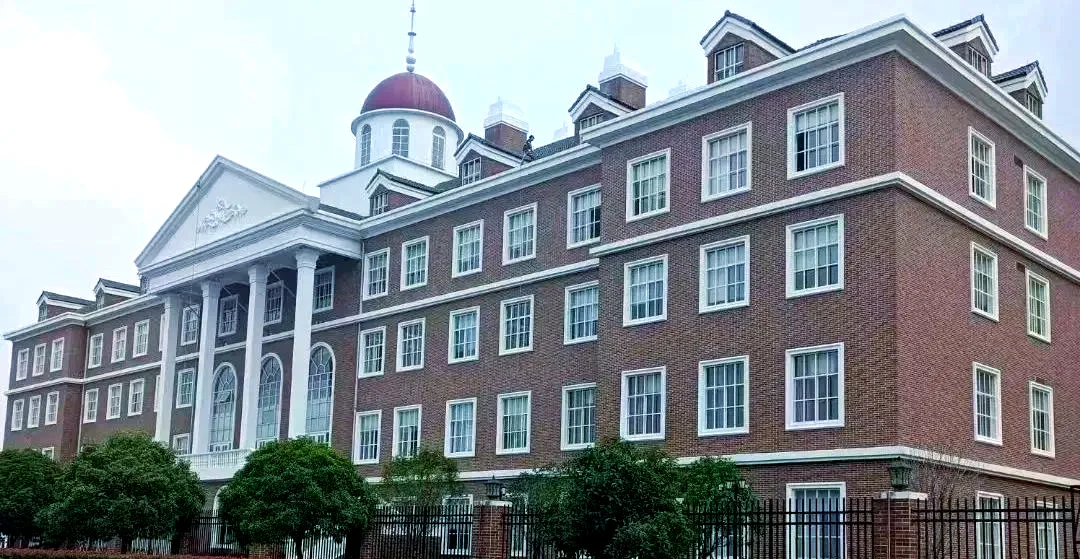
International school. Wuhan’s international schools are expensive by Chinese standards and comparatively cheap by international school standards, with tuition running anywhere from 80,000 to 180,000 yuan per year at the top institutions. The facilities are generally very good (many built in the last decade with dedicated investment). The student body is mostly Chinese nationals who have foreign residency or passports, plus actual foreign kids. The curriculum feeds toward overseas universities.
The challenge: as China tightens regulation of international education, some of these schools have had to merge, restructure, or split their domestic and international tracks. A family that picks a school based on this year’s setup should not be shocked if things look different in two years.
Public school. Wuhan’s public schools will accept foreign students, but the realities sink in fast. All instruction is in Mandarin. A third-grader whose parents are on work visas is in a class of forty-plus kids with a teacher who has zero experience with foreign-background children. The PTA culture is equivalent to a part-time job for one parent. Homework loads are measured in hours per night, not minutes.
The families who pull off public immersion tend to have at least one Mandarin-speaking parent and a kid under eight when they start. Older kids enrolled in public report feeling isolated academically and socially for the first one to two years. The ones who survive become effectively bilingual. The ones who don’t remember middle school as the hardest period of their lives.
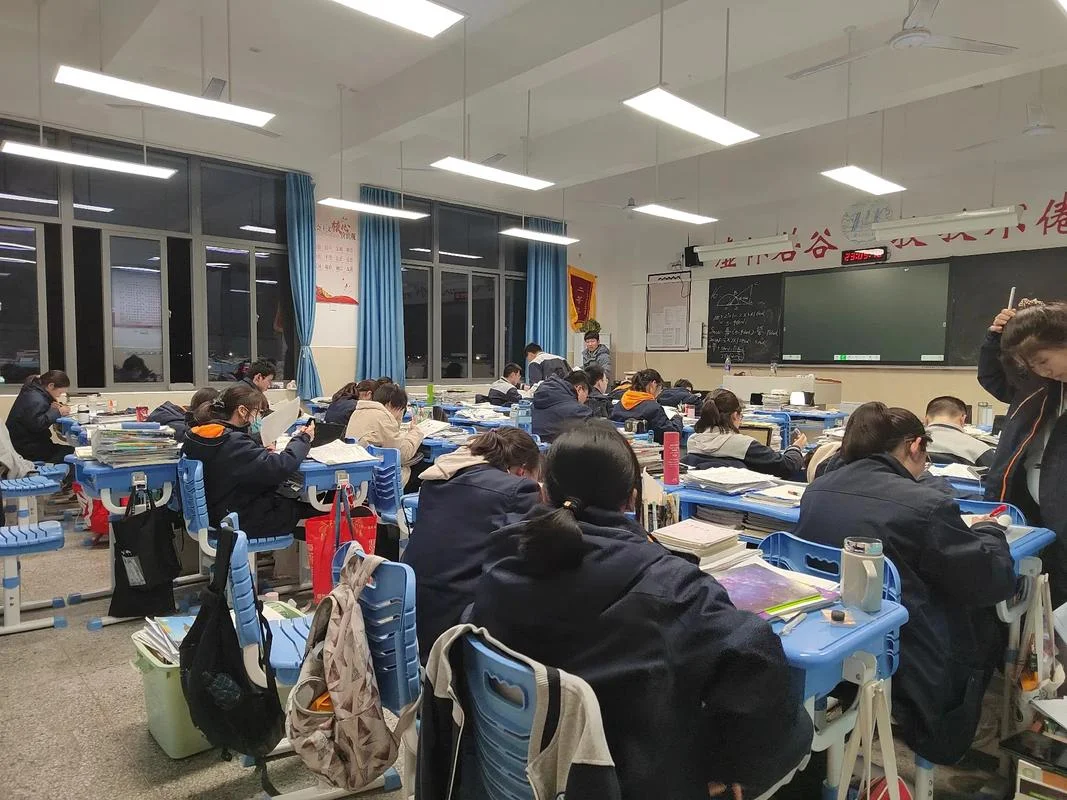
The pressure does not stop in June
The gaokao happens in June. It is described on Wuhan social media in the language cities usually reserve for natural disasters: parents pray, neighbors quiet down near exam sites, taxi drivers volunteer free rides to test-takers, and the weather itself seems to cool down if you believe WeChat.
But the pressure extends well past exam day. A Wuhan parent of a low-scoring gaokao student spends July through October in a different kind of panic: arguing about whether to retake, whether to accept a less prestigious school, whether to shift plans toward studying abroad. The single score that came out in June echoes through the rest of the family calendar.
The whole system could be reframed as genuinely meritocratic if the preparation were equally available. It is not. Wealthy families buy advantage: better elementary schools, private tutoring, international track options. Poor families pin everything on public school performance and raw talent. This gap is most visible not between foreign and Chinese families, but between rich and poor Wuhan families, something worth remembering when the conversation drifts toward Chinese education culture as a single monolith.
What foreigners should know
If you’re a new arrival with kids:
Before you commit to a neighborhood in Wuhan, understand that your housing decision is primarily an education decision. The rent difference between the same apartment in two adjacent school zones can be 30 percent. Moving house every few years to follow the school pipeline is a normal part of family life here.
If you plan to raise kids in Wuhan for more than five years, start Mandarin for them as early as comfortably possible. Not because they’ll live without English, but because survival inside a non-international classroom needs more than textbook Mandarin by age six.
Finally: if a parent in Wuhan complains about kid stress, they mean it sincerely. But they’re probably still going to sign up for Saturday tutoring anyway. Complaining is mandatory. Opting out is almost unthinkable. And if you’re the foreign parent considering opting out, know that your kid will likely find friends somewhere in the mix (the gaokao system is brutal, but it produces thirteen-year-olds who can, it has to be said, do some terrifying math).