
Wuhan’s desserts are not cakes and they are not a café scene. They are hot sweet soups, most of them built on glutinous rice, and the reason to write about them this week rather than in February is that the city does its best version of this in autumn.
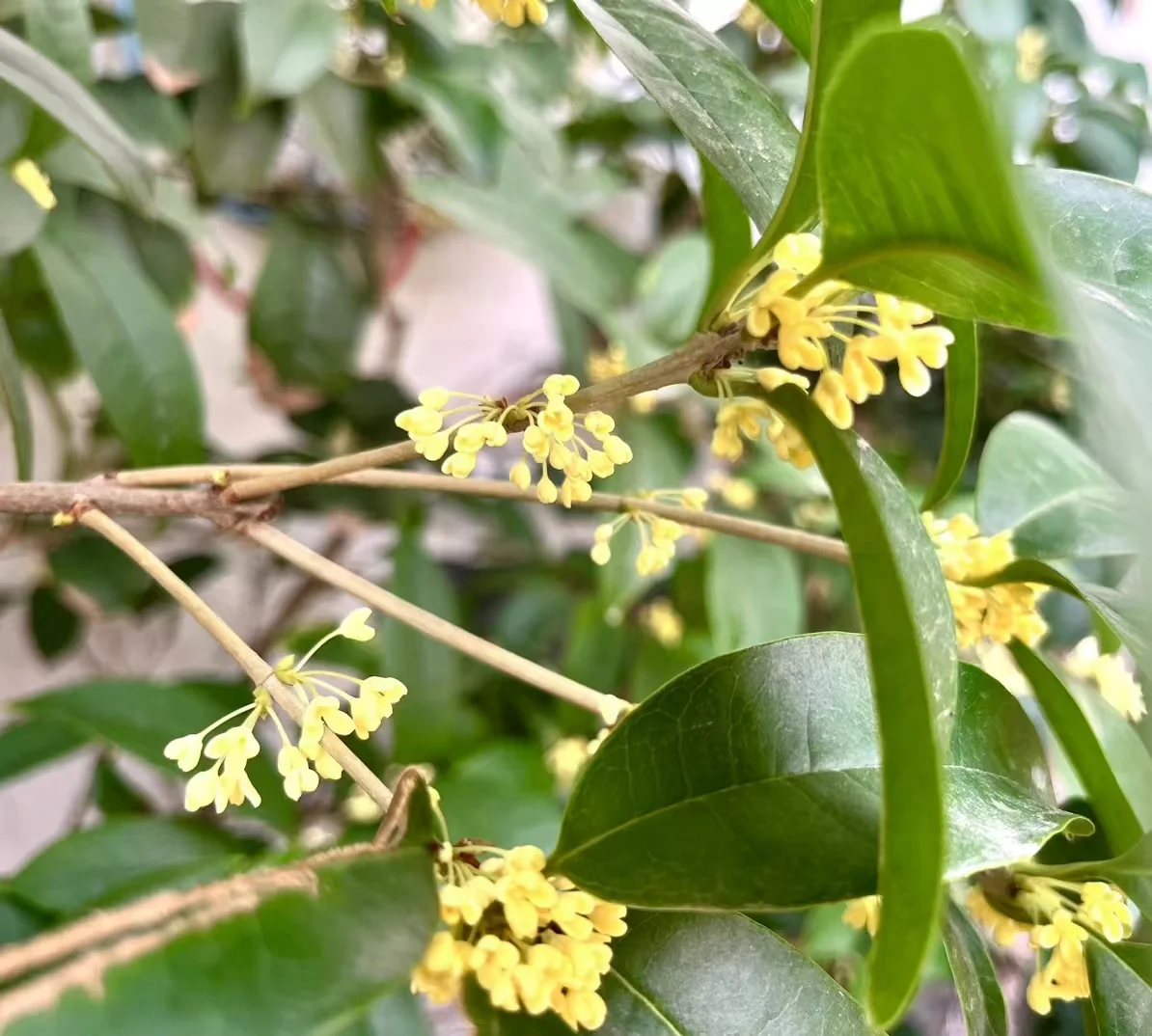
The reason is a flower. 桂花 (guìhuā), osmanthus, blooms in Wuhan through September and October, and when it does the dessert shops add dried osmanthus to everything and the whole city smells sweet for about six weeks.
If you are here in the next month or so, this is the window. If you are here in February, most of what follows still exists, minus the best part.
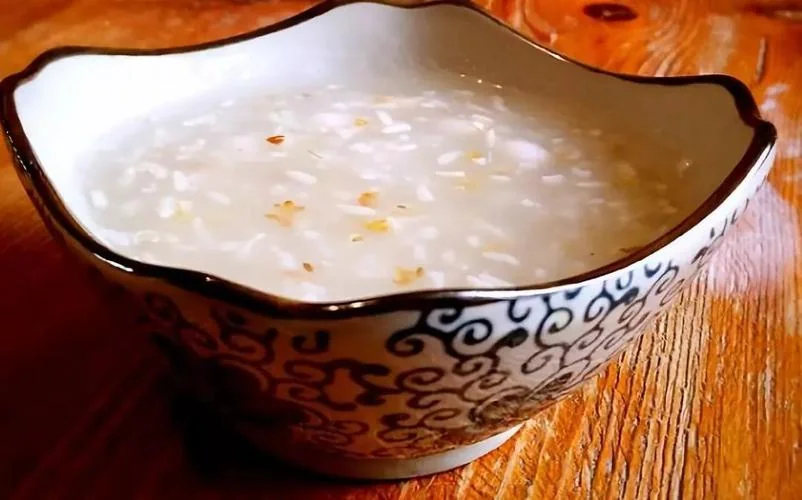
Is egg wine actually wine?
The most famous Wuhan breakfast drink sounds like a mistake and is not.
蛋酒 (dànd jiǔ) is a raw egg cracked into a bowl, then drowned in boiling-hot rice wine or 醪糟 (làozāo, a sweet fermented rice). You stir it and it turns into a silky, sweet, egg-drop soup with alcohol in it.
That is a Wuhan and Hubei category rather than a national one, and it is genuinely a breakfast item. Old people drink it, everyone drinks it, and it is the warmer and sweeter end of the 过早 spread. Where reganmian is the city’s signature, egg wine is what people drink when they want something that is not a bowl of noodles at half past five in the morning.
The rice underneath is a regional trade rather than a local invention. Xiaogan (孝感) in eastern Hubei is the centre of Hubei rice wine production, and the fermented rice that goes into this bowl arrives from there rather than being made in the shop you are standing in. That is worth knowing because it explains why Wuhan drinks sweet rice at breakfast at all: the province has been making it for long enough that it stopped being a treat.
Two practical things. It is sweet, sweeter than you expect for something that smells alcoholic. And if you do not drink alcohol, ask for it without, because the shops will make it without.
I have written about the full breakfast format in my guide to guo zao, and egg wine belongs in that list rather than in a dessert article, which is why it appears here and not there.
What paste rice wine actually is
Underneath the egg and under the osmanthus is the thing all of this is built on: 糊米酒 (húmǐ jiǔ), paste rice wine.
The method is close to porridge made from glutinous rice, strained into something thicker and more viscous, and sweetened. It is not a drink in the Western sense. You eat it with a spoon, in a bowl, usually alongside something fried.
The texture is the point. The rice comes out in long soft strips, and a good bowl has pieces you can feel against the spoon rather than something uniform. I have compared it before to soup dumplings, because the whole Wuhan pleasure vocabulary runs through textures: how the skin stretches, how the broth sits, how the rice strips hold together.
The drink 甜酿 (tiánniàng), sweet fermented rice, is the same family and belongs to the opposite end of the year. It is a summer dish, served cold, and Wuhan people describe it as the thing that gets you through a Wuhan summer.
So the same base gets you a hot sweet soup in October and a cold one in July.
The osmanthus version, and the one shop worth the trip
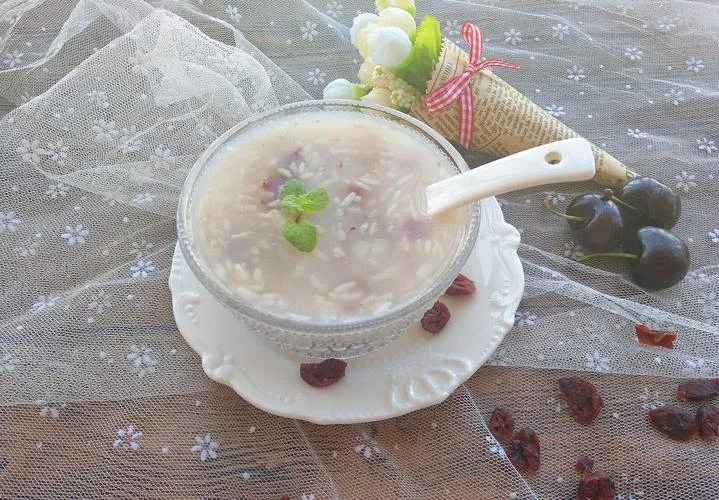
Adding dried osmanthus to paste rice wine gives 金桂糊米酒, golden osmanthus paste rice wine, and this is the seasonal item that a Wuhan local will actually tell you to go eat.
The framing people use for it is that it is possibly the best drink of a Wuhan autumn. One thing I read while writing this, from someone who has clearly eaten it many times, described ordering the osmanthus version at 三镇民生甜食馆 on 胜利街, and pairing it with a freshly fried chicken-crown dumpling, 鸡冠饺, or a pan-fried bun with a crisp bottom. The contrast of cold sweet rice and hot fried dough is the point.
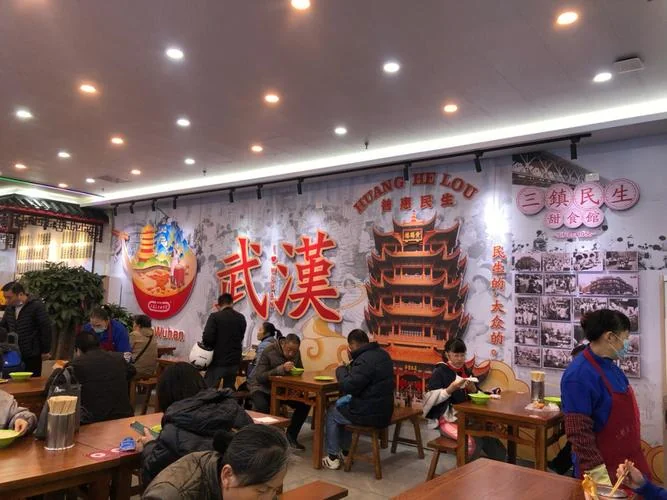
That shop is the one to know about. 三镇民生甜食馆 has a flagship on 胜利街 and another branch on 大成路, and it has been doing this long enough to be treated as an institution rather than a restaurant. Regulars describe it as the place where they get their fill of the real thing, with thick tender rice strips.
The board runs wider than the rice wine. 豆腐花, tofu pudding, is there, along with 三鲜豆皮 and 糊汤粉. Regulars rank the doupi first and the paste rice wine second, and I would not argue with either.
During osmanthus season the shop runs a 桂花节, an osmanthus festival, and ordering the osmanthus paste rice wine comes with limited edition tableware. A provincial broadcaster wrote it up as one of the recognisable sights of a Wuhan autumn, which is a fair description of what a food culture does with a flower.
What else is in the category
糊汤粉 (hútāngfěn) is on the sweet side of the line and confuses people, because it is not a sweet dish at all despite the name. It is rice noodles in a thick milky sesame broth that leans savoury, and it belongs to the soup end of the breakfast rather than the sweet end.
Lotus root does the opposite of what you would expect. The city is famous for savory lotus root soup, but cold lotus root dessert exists and the root starch is what gives it body.
Fried sweet things are the other half, and they belong to the breakfast counter rather than a dessert menu: 鸡冠饺 and 煎包 are the two that get ordered alongside the rice wine.
Ice. Wuhan summer gets a cold, translucent jelly drink made from starch, and it is the opposite of everything above. If you are here between May and August, this is what the city is eating and the autumn section does not apply to you.
Osmanthus beyond the bowl. The same flower that goes into the rice wine also turns up in things you will walk past without noticing, because Wuhan treats the season as a city-wide event rather than a single dish. I have written about that in my autumn guide, and the short version is that the flowering is the clearest short-term signal you get that you are in the right city at the right time. It is the dessert you can smell from the street.
Where this sits against the rest of the food
Two comparisons are worth making before you go, because both are things visitors get wrong.
This is not the milk tea scene. Wuhan’s tea shops sell a four yuan drink that is a genuine daily habit and has survived every price war in the country, and I have written about that in the milk tea piece. The two are not rivals so much as different clocks. Milk tea is all day, every day, and cheap. Paste rice wine is a bowl you sit down for, it costs several times more, and it is at its best for about six weeks a year.
This is not the coffee scene either. Coffee in Wuhan is a retail phenomenon with chains on every corner, which I covered separately. Dessert is the opposite problem: few places, long history, and the good ones are institutions rather than turnover.
Wuhan does all three well enough that confusing them on the trip is easy.
How to order, phrased for a foreign speaker
蛋酒 is one egg and one bowl, so it is not complicated to ask for at all.
糊米酒 is the base. 金桂糊米酒 or 桂花糊米酒 means the same drink with osmanthus, and it is what you want between September and November.
Ask for 小碗 if you have not eaten this before, because the small bowl is still a proper breakfast and the large ones are generous.
加蛋 adds an egg if you want the richer version of the rice wine, and 不要酒 or 不加酒 gets it made without alcohol, which is worth using if you need it.
What I would skip
Skip expecting a patisserie. Wuhan’s sweet tradition is soup, grain and fried dough. If you are looking for a flat white and something with pastry on it, the coffee scene exists and this is the wrong article for you.
Skip the summer menu in autumn. Sweet fermented rice is a July thing, and the osmanthus version is an October thing, and the shop menus change with the flowers rather than with a fixed calendar.
Skip assuming the rice wine is strong. It smells like a drink and behaves like a breakfast bowl, and it is a genuinely good thing to have before walking a city in October.
The Honest Summary
Wuhan’s desserts are hot sweet soups built on glutinous rice, drunk at breakfast, and their season is set by a flower rather than a holiday.
蛋酒 is the everyday version and you will find it anywhere. 糊米酒 is the base, eaten with a spoon. 金桂糊米酒 is the one to time your trip around if you can, because the dried osmanthus only arrives with the blooms in September and October, and 三镇民生甜食馆 on 胜利街 is the shop that has been serving it long enough to have a festival around it.
Go in the next month, order the small bowl, and add fried dough to it. That is a Wuhan autumn in one sentence, and it costs less than the coffee you will drink afterwards.