
The Silence You Can Hear
There’s a specific morning in late January or early February — the date moves with the lunar calendar — when you wake up in Wuhan and something is wrong. You can’t identify it at first. Then you realize: it’s quiet.
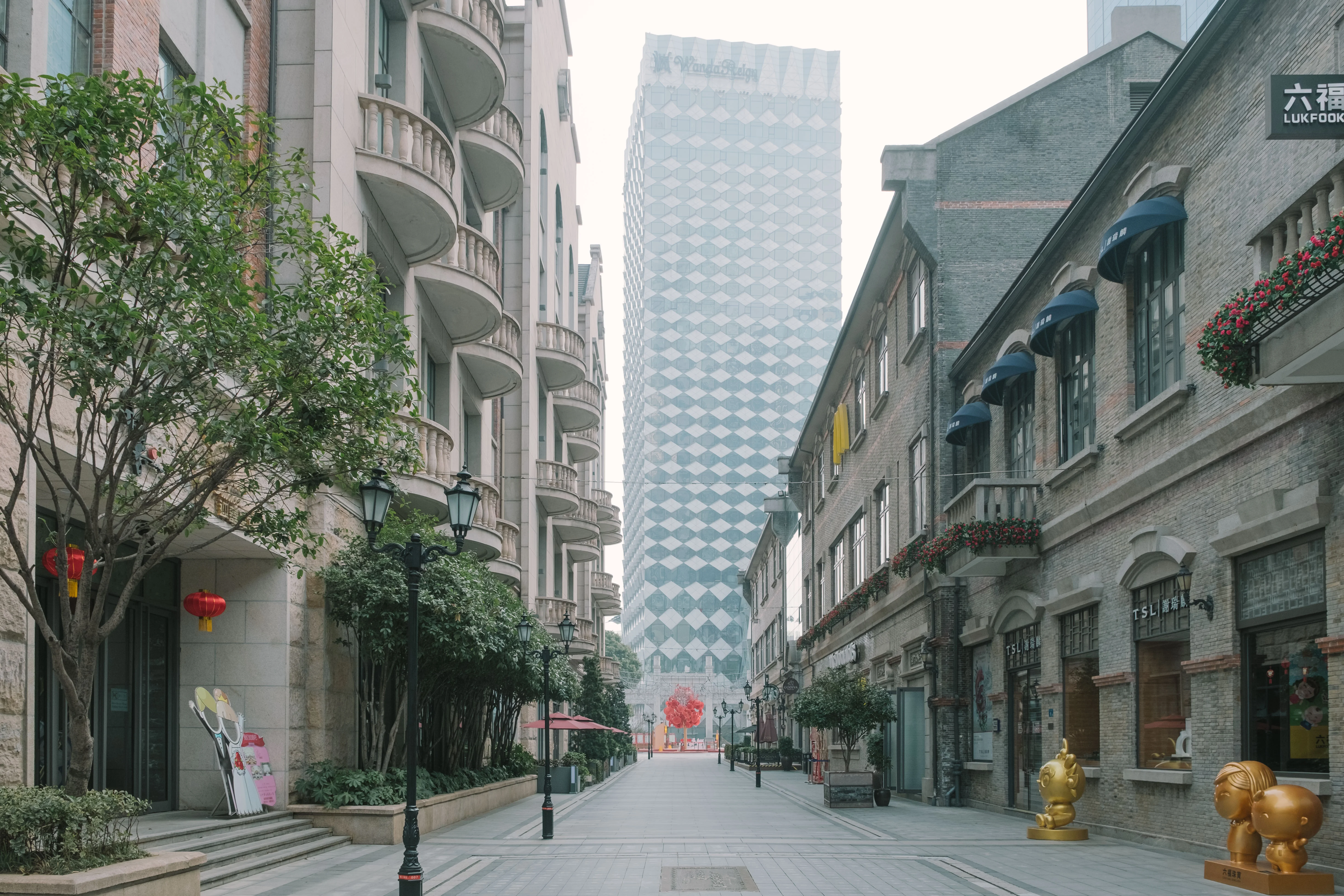
No bus brakes squealing on the street below. No vendor shouting prices from the market. No horns, no scooters, no construction. Wuhan, a city of roughly 13.7 million people and some of the loudest streets in China, has gone silent.
This is Chuyi — the first day of the lunar new year. And if you’re one of the few people still in the city, you get to experience something almost nobody talks about: one of the world’s largest cities, empty.
I’ve spent 18 Chinese New Years in Wuhan. Half of them I went home to Shanxi; the other half I stayed. The years I stayed taught me something most visitors never see. The empty city isn’t sad. It’s eerie, then peaceful, then — by the third or fourth day — one of the most beautiful urban experiences China offers.
The Math of a City Emptying
Wuhan’s registered population is around 13.7 million. The actual population — counting migrants, students, and workers without local hukou — is higher. And every Spring Festival, a massive share of them leave.
The students go first. Wuhan has over a million university students, one of the highest concentrations in the world. By late January the campuses are ghost towns — dormitories locked, canteens shut. The streets around the universities, which on a term-time Tuesday are clogged with scooters and milk tea shops doing brisk business, go quiet.
The migrant workers follow. Construction workers, factory workers, delivery riders, restaurant staff — the enormous workforce that keeps the city running boards trains and buses headed to Hunan, Henan, Anhui, Jiangxi, Sichuan. Many of them haven’t been home in a year. Some haven’t been home in two. The Spring Festival travel rush, chunyun, is the largest annual human migration on the planet: in normal years, Chinese travelers make around 3 billion trips over the 40-day period. Wuhan, as a national rail hub, sees hundreds of thousands of departures per day at peak.
By New Year’s Eve, the city is maybe half-empty. By Chuyi, the second day, the transformation is complete. Restaurants close — even good ones, even the ones you assumed never close. The wet markets shut for three days. Metro frequency drops by half. Buses switch to holiday schedules. The delivery riders who remain can charge surge prices because the demand from stayers outstrips the supply of workers.
And the streets — the wide, loud, aggressively contested streets of Wuhan — belong to whoever is left.
What Actually Closes
For visitors planning a Spring Festival trip to Wuhan, here’s the honest closure list, learned through trial and error:
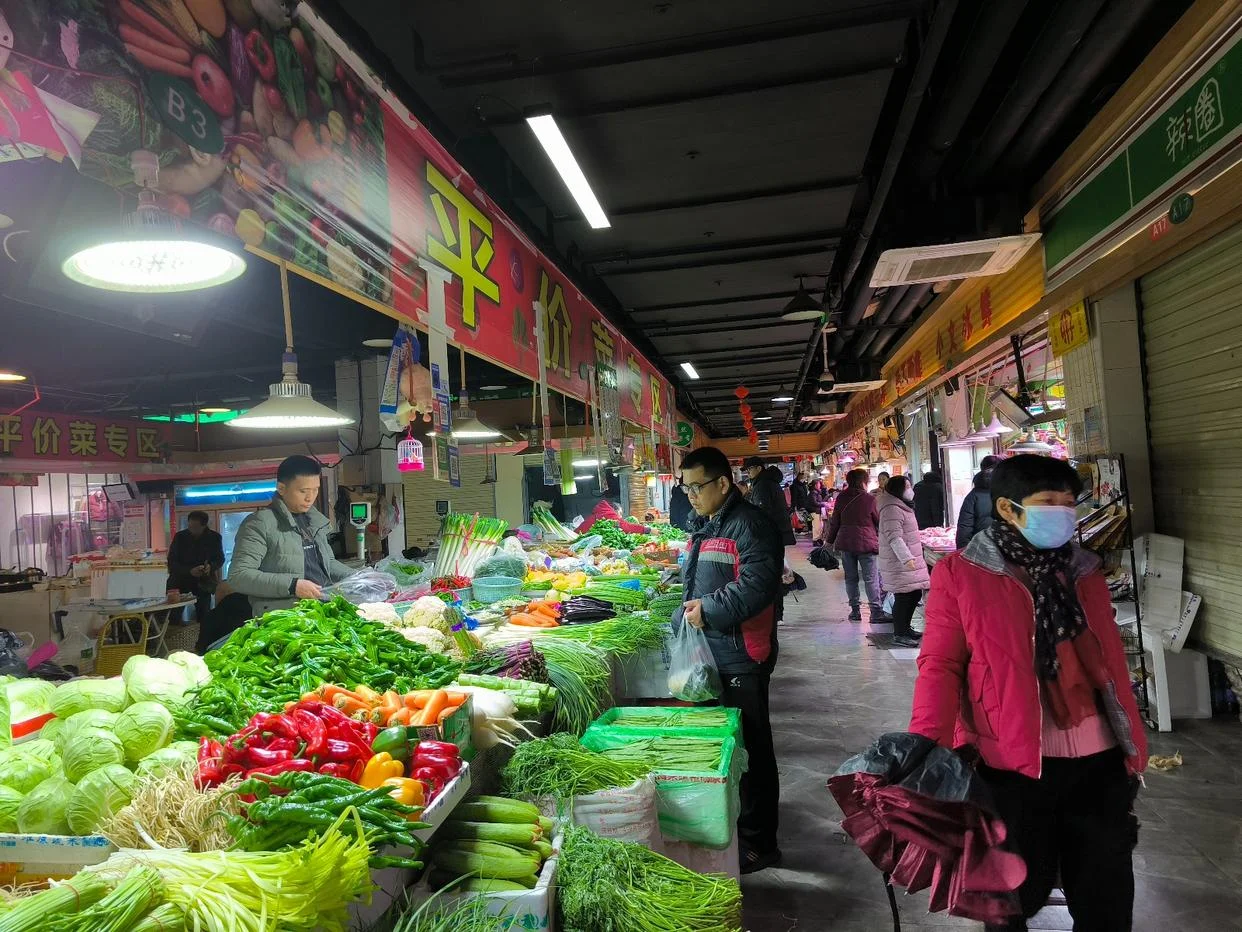
Closed, reliably: Most independent restaurants (one to five days), the wet markets (three days, reopening around Chusi), small shops, barbershops, many cafés. Even the breakfast stalls that define guo zao culture mostly close — the vendors are usually migrants themselves, and they go home.
Open, reduced: The metro (runs all holiday, less frequent), buses (holiday schedule), major chain restaurants (hotpot chains and fast food stay open), convenience stores, large supermarkets (reduced hours).
Open, busier than ever: Tourist sites. Here’s the paradox: while residents leave, tourists arrive. The Yellow Crane Tower, East Lake, the Hubei Provincial Museum — all packed, all requiring advance booking, all more crowded than any normal week. The Temple Fair at Guide Temple, if it’s running, is standing room only.
Different: The Yangtze ferries run on holiday schedules. The ferry crossing is actually pleasant during the holiday — fewer commuters, more families taking the ride for fun.
If you visit during the holiday, plan around the closures. Book restaurants ahead. Shop for groceries before Chuyi. Accept that your food options for the first three days are hotpot, hotel buffets, or whatever the neighborhood convenience store has. This is not a complaint — it’s part of the experience. The whole country is on vacation, and the whole country has agreed to the same deal.
The Fourth Day: When the City Turns
Here’s the rhythm of the holiday in Wuhan, the one that took me years to notice:
Days one to three: Dead quiet. Streets empty. Everything closed. Firecrackers (illegal in the urban core for years, but still occasional) pop in the distance. Families stay home, eat, watch the Spring Festival Gala on TV, and visit relatives. If you walk outside, you see people, but only in family groups, dressed well, moving between apartment buildings with gift boxes in hand.
Day four or five: The turn. Restaurants that closed for three days reopen, slowly. A few breakfast stalls fire up. The first delivery scooters reappear. The markets reopen — and the reopening of a wet market after the holiday is its own small event, because every vendor has brought back specialties from their hometown and the stalls are stuffed with regional goods you won’t see any other time of year.
Days six to eight: The city reassembles. The train stations reverse direction — instead of departures, they’re full of arrivals, workers coming back, students returning. Traffic thickens. By the eighth day, Chuba, Wuhan is mostly itself again, though the true full recovery waits until after Lantern Festival, fifteen days after Chuyi.
The fourth-day turn is the moment I wait for. There’s a collective exhale. The whole city, simultaneously, decides to come back to life.
Why Wuhan Empties More Than Other Cities
Every Chinese city empties at Spring Festival, but Wuhan empties more than most. Four reasons.
First, it’s a student city. A million-plus university students go home every year without exception — nobody stays in the dorms, and the universities actively shut down. That’s a bigger proportional departure than most cities deal with.
Second, it’s a migrant-heavy city. Wuhan’s economy runs on construction, manufacturing, and logistics — industries with large workforces from neighboring provinces, all of whom go home. The tech sector in Optics Valley is younger and more likely to stay, but the city as a whole is working-class and mobile.
Third, Wuhan is in the middle. Geographically, the city sits at the crossroads of China’s rail network — the trains to everywhere pass through here. That makes it easy to leave. A worker in Guangzhou might face a 20-hour train ride home; a worker in Wuhan is within five hours of most of central China. Leaving is convenient, so more people do it.
And fourth — this is the one outsiders miss — the people who remain often aren’t Wuhan natives either. The registered Wuhanese with local family networks stay put; their holiday happens at home, with relatives visiting them. The city’s quietest week is also the week when the distinction between who’s “from” Wuhan and who isn’t becomes most visible.
The Strange Beauty of an Empty City
I want to describe what the empty city actually feels like, because the photos never capture it.
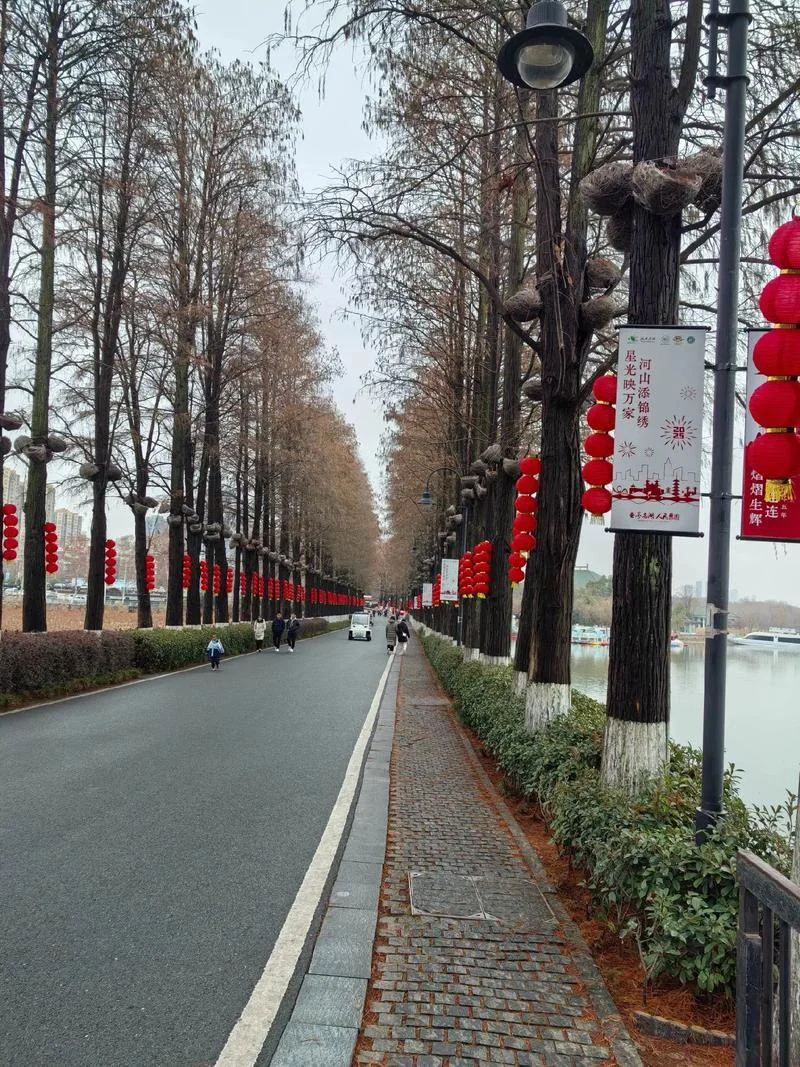
The light changes. With less traffic, less haze, less dust kicked up, the winter sky over Wuhan is clearer than any other time of year. Photographers know this — the winter light combines with empty streets to give you shots impossible in any other season.
The sounds you normally never hear come forward. Wind through the bare trees. The river, somehow audible from further away. Your own footsteps on the pavement of Jianghan Road, a street that holds a hundred thousand people on a normal evening.
The buses are surreal. A holiday-schedule bus on a main route, running empty except for you and the driver, both of you in on the same strange joke. The drivers are calm — nothing to compete with, no gaps to fight for. The bus drifts through red lights and empty intersections at an almost ceremonial pace.
And the people who are out — the ones who stayed — share a look. There’s a nod you exchange with strangers on Chuyi afternoon, a recognition: we’re the ones who kept the city company. It’s the closest Wuhan comes to gentleness.
Should You Visit During Spring Festival?
Honest answer: only if you know what you’re signing up for.
Come if: You want to see Chinese family culture up close (the holiday is the whole point), you’re comfortable with limited food options, you’ve already seen Wuhan’s main sites and want the atmosphere rather than the checklist, or you’re a photographer who wants empty streets and clear light.
Don’t come if: It’s your first China trip, you have a tight schedule, you’re food-motivated and want the full guo zao experience (half the breakfast stalls are gone), or you expect normal service levels. You’ll be frustrated.
If you do come: Book everything in advance — trains, hotels, museum tickets. Eat big on New Year’s Eve, when restaurants that are open do their best meals. Buy snacks before Chuyi. Walk the empty streets on days one to three — this is the actual attraction. And go to the market on the day it reopens. You’ll see the city take its first breath back.
The City That Holds Its Breath
I’ve come to think of the Spring Festival week as the city holding its breath. Wuhan works impossibly hard for eleven months — building, delivering, cooking, shouting, competing. Then, for one week, it stops. Not gradually. All at once, on the same day, by mutual agreement of 13 million people.
And then it starts again, and you realize the silence was never emptiness. It was storage. The city was keeping its energy for the year ahead.
If you’re in Wuhan on a Chuyi morning and you wake up to silence, don’t panic. Walk outside. Look at the lanterns. Listen to what a city sounds like when it isn’t trying. It’s the most China thing you’ll ever experience, and almost nobody who visits gets to see it.
Spent a Spring Festival in a Chinese city? Email me — I collect stories about what people eat on Chuyi when everything’s closed. The answer is usually dumplings, but the exceptions are fascinating.
Related:
- Wuhan People: A Foreigner’s Guide — the people who leave and the people who stay
- Wuhan Breakfast: Guo Zao Culture — what closes and why it matters
- The Wet Markets of Wuhan — the three-day closure and the reopening
- Wuhan Ferry: Crossing the Yangtze — holiday schedule, fewer commuters
- Wuhan Festivals & Events Calendar — the full year of what happens when